💡 Key Takeaways
- Skyr is an Icelandic cultured dairy product traditionally drained into a thick curd.
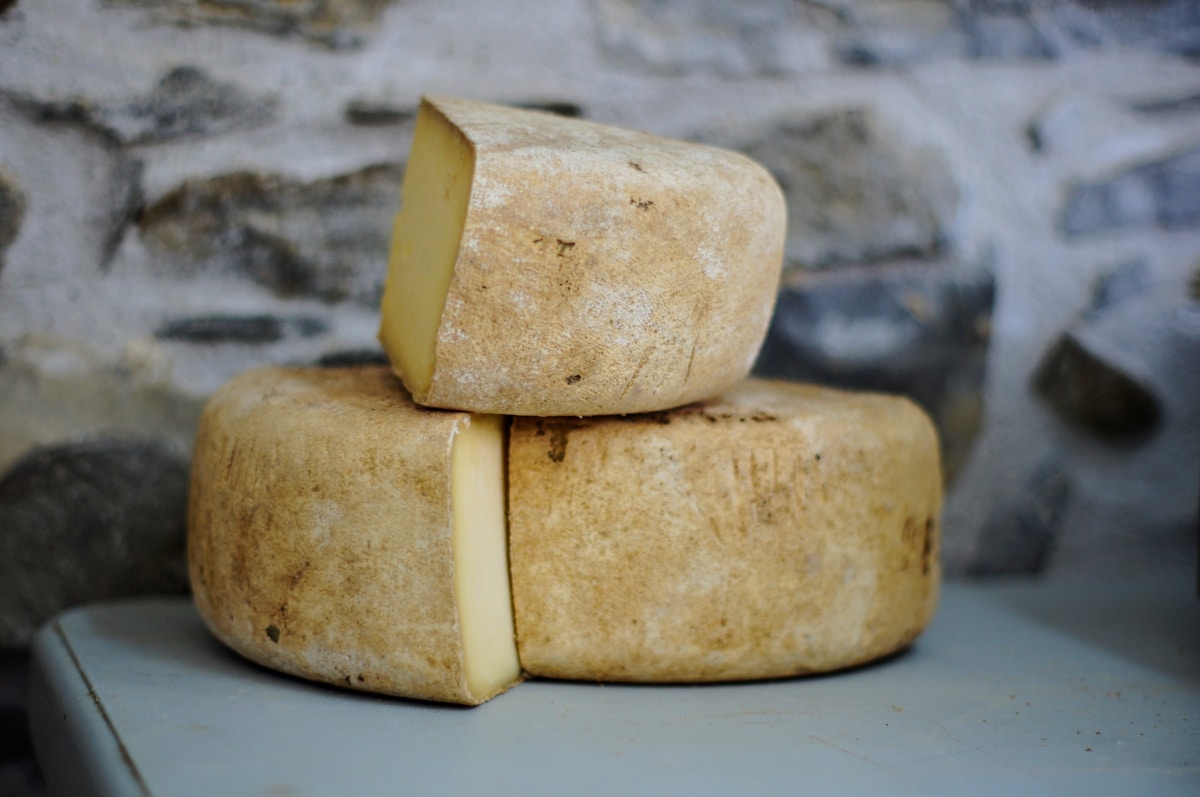
- It is commonly sold beside yogurt but has also been classified and understood through fresh-cheese techniques.
- Its survival depended on household starter maintenance and use of whey.
- Modern high-protein branding is a new market layer, not the origin of skyr.
What Is Skyr?
Skyr is an Icelandic cultured dairy food made by acidifying milk and separating much of the whey, producing a thick, spoonable curd. Modern labels often place it beside yogurt, while production and regulation can treat it closer to fresh cheese. The historical category does not fit neatly into one supermarket aisle [1][2].
Cultures create acidity and help form curd; drainage concentrates milk solids. Traditional skyr was often lean because cream had already been removed for butter.
How Skyr Fit Icelandic Farm Life
Icelandic farms had to manage seasonal milk in a climate where winter storage mattered. Culturing and draining milk created a durable food, while the separated whey could be kept, drunk, or used in preservation [1].
Skyr was labor: milking, heating, inoculating, draining, cleaning, and saving starter. Its continuity depended on household knowledge, not a single Viking recipe preserved unchanged.
Starter Cultures and Continuity
A portion of successful skyr could inoculate the next batch. That practice carried microbial communities through households even before bacteria were scientifically named. Rennet may also have played a role in some traditional methods [2][3].
Continuity does not mean uniformity. Milk, season, starter, drainage, and farm practice produced variation. Industrial cultures later made acidity and texture more predictable.
From Farm Kitchens to Creameries
Twentieth-century creameries moved production from many farm households into regulated dairies. Refrigeration, standardized milk, packaged starter, and sealed tubs made skyr an everyday national retail product.
That transition preserved access while changing labor and ownership. A food once made through household cycles became part of the modern dairy industry.
The Global Skyr Boom
Global brands market skyr through protein, thickness, and Nordic identity. Some products are made outside Iceland under licensing or as skyr-style dairy. The health framing helped sales but can reduce the food to a nutrition label.
The fuller history is richer: skyr is a survival technology, cultured-food tradition, whey system, national symbol, and industrial brand. Its modern success rests on all of those layers.
Historical Timeline
Norse dairy knowledge adapts to Icelandic farms and seasonal milk production
Households maintain skyr cultures and use whey in preservation and drink
Creameries and food regulation standardize production
Icelandic and international brands market skyr globally as thick high-protein dairy
Evidence Explorer
Review the Source Trail
Inspect the article sources, scoped review credits, and copyable citation details without leaving the page.
Reviewed for Stated Scope
Sources Listed
Comments
Community comments are coming soon. Check back later to join the discussion!