💡 Key Takeaways
- Amasi or maas is a family of Southern African fermented milks.
- Traditional vessels and repeated inoculation helped maintain microbial cultures.
- The food is tied to cattle, grain porridge, hospitality, and household identity.
- Industrial amasi is related to, but not identical with, every traditional household version.
What Is Amasi?
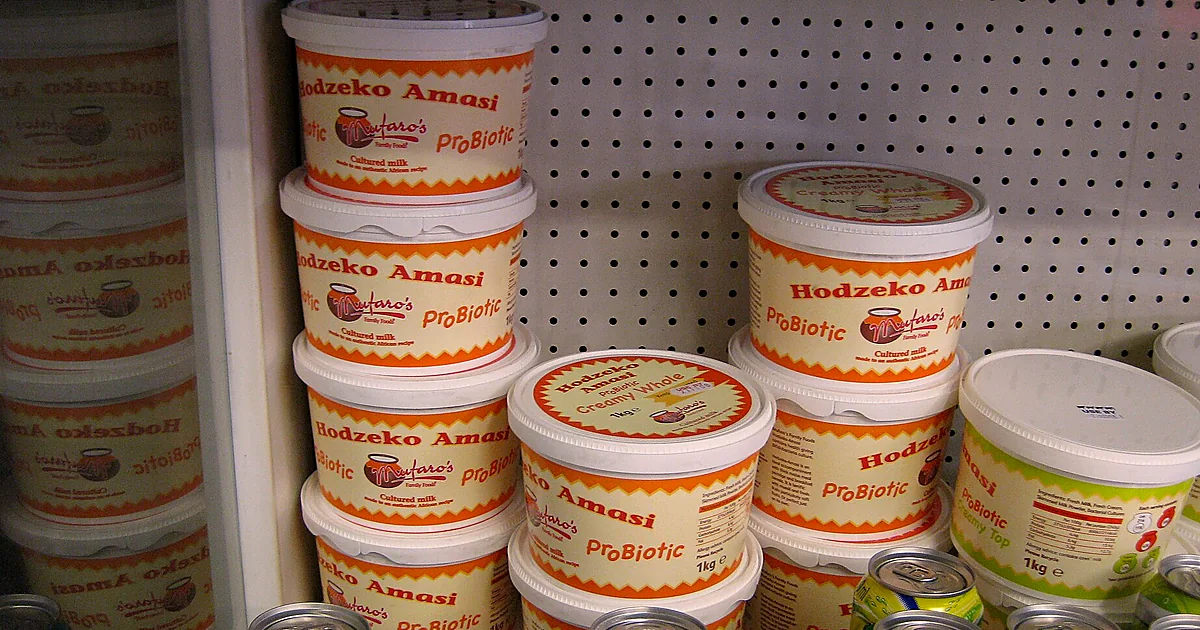
Amasi, also called maas in some South African usage, is fermented milk with a sour flavor and texture ranging from drinkable to thick and curd-like. It is made by allowing milk to acidify through lactic-acid bacteria, traditionally in household vessels and now also in industrial tanks [1][2].
The term covers regional practice rather than one microbial recipe. Communities differ in milk source, vessel, temperature, drainage, and serving.
Cattle, Milk, and Southern African Foodways
Amasi belongs to societies in which cattle carried economic, social, and ritual value. Fermentation made milk more durable and created a food that could accompany grain porridges. It also turned household dairy work into a repeated cultural practice [2].
The history predates modern South Africa's borders. Zulu, Xhosa, Sotho, Tswana, and other foodways contribute distinct meanings and methods.
Vessels as Living Fermentation Tools
Traditional containers could retain microbial communities and seed future batches. Milk was added, allowed to sour, and sometimes separated from whey. Cleaning, smoking, or maintaining the vessel influenced flavor and safety [1][3].
The container was therefore active technology, not neutral storage. Its material and use linked one batch to the next.
Dispossession, Urbanization, and Industrial Maas
Colonial land policy, cattle controls, wage labor, and apartheid-era urbanization altered access to livestock and household production. Commercial dairies later offered packaged maas to consumers separated from farm-based fermentation.
Industrialization preserved availability but narrowed microbial and sensory diversity. It also moved value from household knowledge into regulated supply chains.
Amasi Today
Amasi remains everyday food, heritage symbol, commercial dairy product, and subject of microbiological research. Chefs pair it with grains, baking, sauces, and desserts, while households continue familiar uses.
The best modern framing avoids calling it African yogurt as if Europe supplied the reference point. Amasi is its own Southern African dairy tradition, shaped by cattle, vessels, labor, and historical disruption.
Historical Timeline
Pastoral and agro-pastoral communities ferment milk in household vessels
Cattle control, land dispossession, wage labor, and urbanization disrupt and relocate dairy practice
Dairies package standardized maas for urban markets
Research and culinary revival renew interest in indigenous starter diversity
Evidence Explorer
Review the Source Trail
Inspect the article sources, scoped review credits, and copyable citation details without leaving the page.
Reviewed for Stated Scope
Sources Listed
Comments
Community comments are coming soon. Check back later to join the discussion!