
Use-case buying guide

Which Black Pepper Should You Buy? Whole, Ground and Tellicherry Compared

Whole peppercorns keep their aroma longer and let you choose the grind. Pre-ground pepper is convenient but fades faster. Tellicherry names a larger Indian pepper grade, not a guarantee that every dish needs the most expensive jar.
Published Updated 733 wordsMarket: United StatesBy
Whole black peppercorns, cracked pepper, ground black pepper, and pale white pepper arranged for comparison
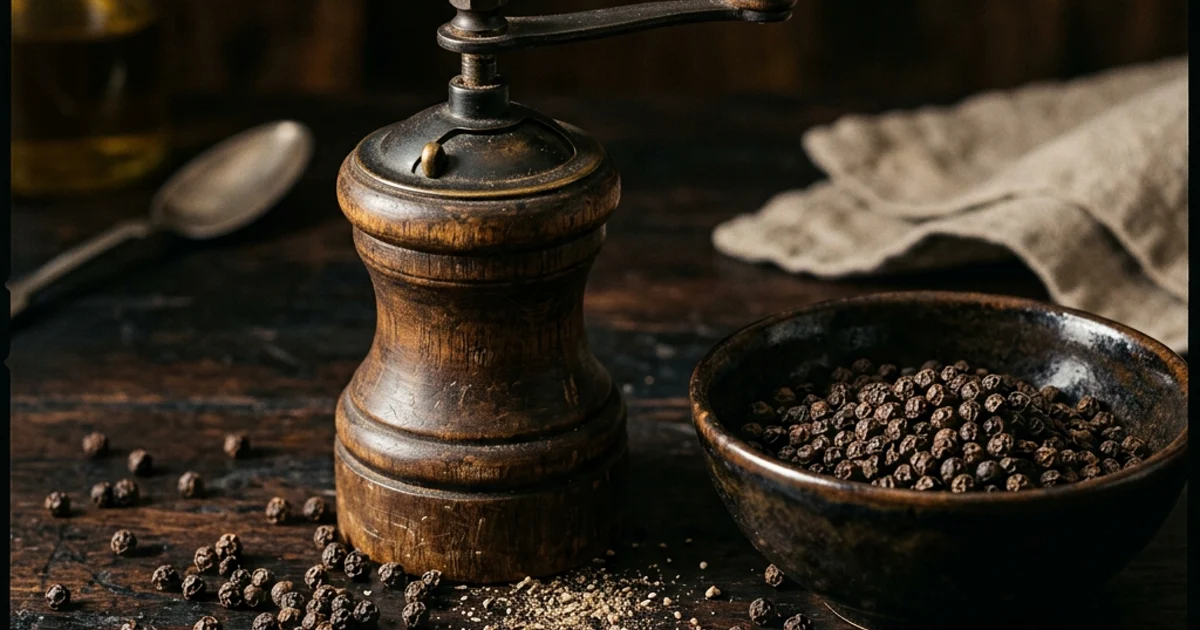
Black Pepper formats compared for the cooking jobs they perform best.

The short answer

Buy whole black peppercorns if you own a usable grinder and cook regularly. Choose a coarse grind for crusts and rubs, medium for general cooking, and fine for smooth sauces. Buy pre-ground only in a package size you will finish promptly. Treat Tellicherry as a size and origin cue, not an automatic quality crown.

Choose this when...

Start with the dish, then verify the package. Format, ingredients, handling, and intended use matter more than a universal ranking.

UseChooseWhyCheckDo not miss
Daily grinderWhole black peppercornsGrinding releases aroma at the moment of use.Check pack date or best-by date and origin claim.A decorative grinder is useless if its mechanism crushes unevenly.
Steak crusts and rubsCoarsely cracked black pepperLarge fragments create texture and resist disappearing into the surface.Look for a coarse, consistent grind.Fine dust can taste harsh at the same visual coverage.
Pale sauces and mashed potatoesWhite pepper when its earthy profile fitsThe removed outer layer reduces black specks but changes flavor.Confirm that the product is white pepper, not bleached black pepper.Do not choose it solely because a recipe says pepper without context.
Fast convenienceSmall pre-ground black pepperIt removes grinder friction for high-volume or accessible cooking.Buy a size you can finish while aromatic.A giant bargain tin may cost less but taste older.

Black Pepper types compared

Whole black peppercorns

Piney, citrusy, warm, and grind-dependent

Choose it for
General cooking and table grinding
Label clue
Whole berries should look dry and mostly intact.
Not the first choice for
Cooks without a reliable grinder.

Tellicherry peppercorns

Large, mature black pepper berries

Choose it for
Shoppers seeking a specific Indian size grade
Label clue
Look for origin and grade evidence.
Not the first choice for
Assuming size alone guarantees freshness.

Pre-ground black pepper

Convenient but faster-fading

Choose it for
Baking, food service, and quick seasoning
Label clue
Check package size and date.
Not the first choice for
Long storage beside a hot stove.

White pepper

Earthy, fermented, and less visually obvious

Choose it for
Chinese dishes, pale sauces, and some European preparations
Label clue
The label should name white pepper.
Not the first choice for
Using as a flavor-neutral black-pepper substitute.

What Tellicherry actually means

Tellicherry is commonly used for larger black pepper berries associated with India. It can signal selection and maturity, but it does not cancel storage, harvest, or grinding quality. A fresh standard peppercorn can outperform a prestigious name that has spent years in a clear jar.

How grind changes the dish

Coarse fragments bring crunch and slower extraction; fine particles spread quickly and can become dominant. A medium adjustable grind is the flexible default. Match the grind to the cooking time and surface area rather than treating one setting as universally correct.

How much pepper to buy

A smaller opaque or well-sealed pack usually beats a warehouse quantity for a household. Heat, light, air, and time flatten volatile aromas. Refill a grinder from stored peppercorns rather than displaying the entire supply beside the range.

What to check before you buy black pepper

  • Whole versus ground is the largest freshness decision.
  • Origin and grade claims should be specific.
  • A grinder needs adjustable, durable burrs.
  • Buy less when turnover is uncertain.

Why pepper became the default grinder spice

Black pepper moved through Indian Ocean trade and European spice markets long before the countertop grinder. The modern choice between whole, graded, and ground pepper is the retail end of that older commodity story.

Read the full food history

Sources and label evidence

  1. [1]Types of Food Ingredients. FDA (2026).
  2. [2]Pepper: A History of the World's Most Influential Spice. St. Martin's Press (2013).
  3. [3]The Spice Route: A History. University of California Press (2006).
  4. [4]Peppercorns in ancient Egyptian mummies. The British Museum.
๐Ÿ›๏ธ

Written by The Foods That Shaped Us Research Desk

The Foods That Shaped Us Research Desk is the publication byline for collaboratively maintained food-history articles, Case Files, Trend Desk analysis, and original Recipe Desk development. Historical work is grounded in cited sources. Recipes use measured formulations and receive an editorial consistency, safety-note, and image-provenance review before release.

Source-led editorial processยทRead our Editorial Standards