
Use-case buying guide

Which Coffee Beans Should You Buy? Roast, Origin and Grind Explained

Start with brew method and roast date, not tasting-note poetry. Whole beans suit grinders, a medium roast is the broadest starting point, espresso is a brewing method rather than one bean species, and grind size should match the brewer.
Published Updated 732 wordsMarket: United StatesBy
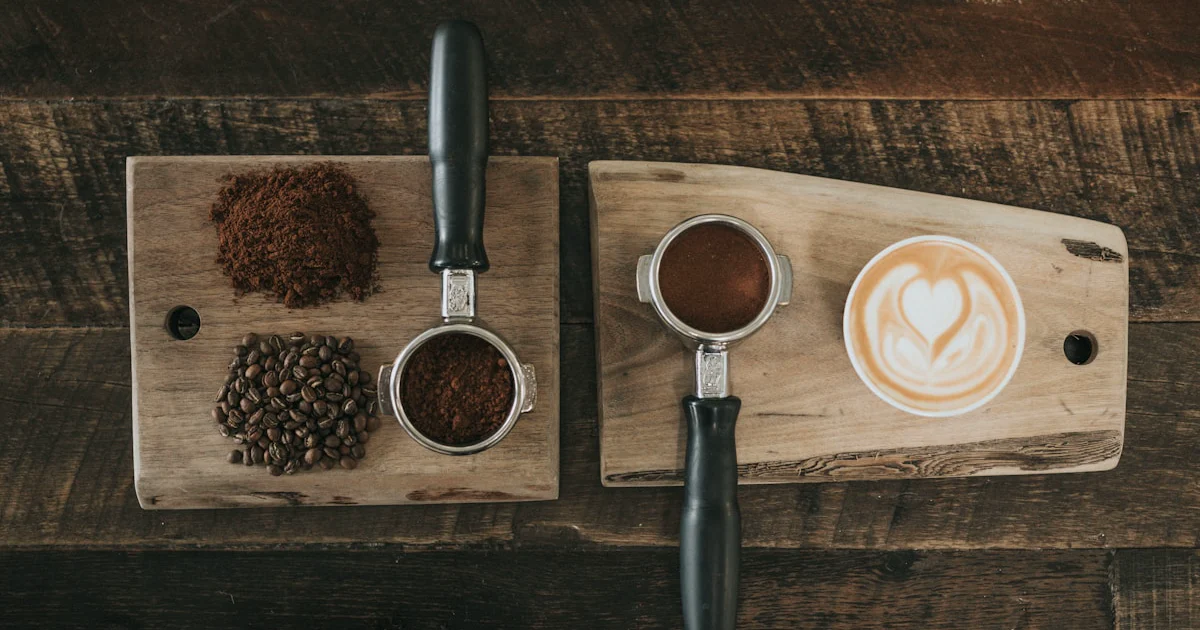
Light, medium, and dark roasted coffee beans beside whole-bean and ground coffee
Coffee Beans formats compared for the cooking jobs they perform best.

The short answer

Buy a recently roasted medium roast in the smallest bag you can finish while fresh if you are unsure where to begin. Choose light roast for more origin character, dark roast for stronger roast character, blends for consistency, and single-origin coffee for a more specific place or process. Match grind to brewer and do not confuse roast darkness with caffeine strength or quality.

Choose this when...

Start with the dish, then verify the package. Format, ingredients, handling, and intended use matter more than a universal ranking.

UseChooseWhyCheckDo not miss
Drip machineMedium-roast whole beans or a matching medium grindIt is forgiving across common brewers and milk preferences.Check roast date, bag valve, and grind.Do not buy espresso-fine grounds for a basket brewer.
Espresso machineA blend or single origin developed for espressoConsistency and solubility matter under pressure.Look for a roast date and brewing guidance.The word espresso does not identify one roast level.
Pour-overLight-to-medium whole beansManual control can reveal origin and processing differences.Check origin, process, and roast date.Very old light roast can taste flat despite premium language.
No grinderFreshly ground coffee matched to the brewerCorrect particle size beats buying whole beans you cannot use.Select drip, French press, espresso, or another explicit grind.One universal grind cannot optimize every method.

Coffee Beans types compared

Light roast

Origin-forward and often brighter

Choose it for
Pour-over and exploratory tasting
Label clue
Roast date and producer detail are useful.
Not the first choice for
Shoppers seeking strong roast bitterness.

Medium roast

Balanced roast and origin character

Choose it for
Drip, AeroPress, and broad household use
Label clue
Look for clear roast and brew guidance.
Not the first choice for
Assuming medium means average quality.

Dark roast

Roast-driven, smoky, and lower-density

Choose it for
Milk drinks and drinkers who prefer roast character
Label clue
Oiliness and roast date affect grinder use.
Not the first choice for
Using color as a caffeine measurement.

Blend

Designed for repeatability

Choose it for
Espresso and dependable daily brewing
Label clue
Origins and proportions may change seasonally.
Not the first choice for
Assuming blend means inferior.

Roast level is a flavor decision

Roasting transforms green coffee and shifts the balance between origin character and roast character. Light, medium, and dark are not tightly standardized across every roaster, so use the roaster description, brew guidance, and your preferred flavor rather than relying on color words alone.

Whole bean vs ground

Whole beans preserve volatile aroma until grinding, but only when the grinder is capable and convenient. Pre-ground coffee is the better purchase when it is correctly sized for the brewer and used promptly. The wrong grind can overwhelm any origin premium.

Single origin vs blend

Single origin can make place, variety, and processing easier to examine. A blend can deliver stability as crops change and may be deliberately built for espresso or milk. Choose transparency and fit, not a hierarchy in which one label is always superior.

What to check before you buy coffee beans

  • Roast date beats vague freshness language.
  • Grind must match the brewer.
  • Single origin should identify a real place.
  • Process terms such as washed or natural describe handling, not quality by themselves.

How roast labels replaced the coffeehouse roast pan

Coffee moved from regional roasting and brewing traditions into branded bags organized by roast, origin, process, and format. The parent article follows the crop from Ethiopia and Yemen through colonial production, cafes, commodity trade, and modern specialty coffee.

Read the full food history

Sources and label evidence

  1. [1]Coffee Standards. SCA (2026).
  2. [2]Coffea arabica L.. Plants of the World Online (2026).
  3. [3]The Ethiopian and Yemeni Roots of Coffee. Oxford Research Encyclopedia of Food Studies (2024).
  4. [4]Life in a Cup: Coffee Culture in the Islamic World. British Museum (2021).
  5. [5]Coffee and Coffeehouses: The Origins of a Social Beverage in the Medieval Near East. University of Washington Press (1985).
  6. [6]The Social Life of Coffee: The Emergence of the British Coffeehouse. Yale University Press (2005).
  7. [7]Uncommon Grounds: The History of Coffee and How It Transformed Our World. Basic Books (2019).
๐Ÿ›๏ธ

Written by The Foods That Shaped Us Research Desk

The Foods That Shaped Us Research Desk is the publication byline for collaboratively maintained food-history articles, Case Files, Trend Desk analysis, and original Recipe Desk development. Historical work is grounded in cited sources. Recipes use measured formulations and receive an editorial consistency, safety-note, and image-provenance review before release.

Source-led editorial processยทRead our Editorial Standards