
Use-case buying guide

Which Honey Should You Buy? Raw, Filtered and Floral Types Explained

Choose honey by floral source, texture, and intended use. A mild filtered honey disappears smoothly into tea and baking; a named floral honey earns its price when its aroma remains visible; raw is a processing description, not a universal quality or health guarantee.
Published Updated 695 wordsMarket: United StatesBy
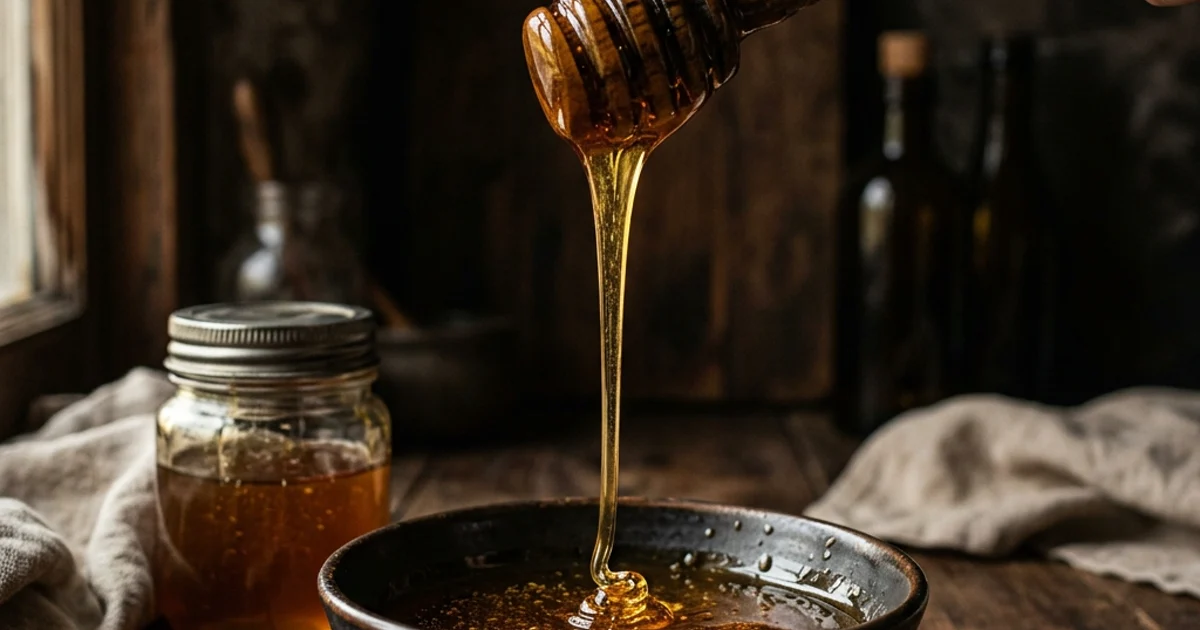
Liquid, creamed, pale floral, and dark buckwheat-style honey shown in separate bowls
Honey formats compared for the cooking jobs they perform best.

The short answer

Buy an affordable mild honey for baking and sweetening, then add a named floral honey only when you want its aroma on toast, cheese, yogurt, or a finishing spoon. Choose creamed honey for spreadability. Treat raw, local, organic, and pure as separate claims that need separate evidence, not interchangeable proof of superiority.

Choose this when...

Start with the dish, then verify the package. Format, ingredients, handling, and intended use matter more than a universal ranking.

UseChooseWhyCheckDo not miss
Tea and everyday sweeteningMild clover or multifloral honeyA neutral profile sweetens without dominating.Look for one ingredient: honey.Local wording does not identify a floral source.
Cheese, toast, and finishingA traceable monofloral honeyOrange blossom, buckwheat, acacia, or another source can remain perceptible.Check floral and geographic evidence.Do not pay a floral premium for baking where aroma disappears.
BakingReliable liquid honeyConsistent moisture and mild flavor are easier to formulate.Check net weight and ingredient list.Honey is not a dry one-for-one sugar replacement.
Spreadable textureCreamed honeyControlled crystallization creates a smooth, non-dripping spread.Creamed should still be honey unless other ingredients are declared.Crystallization does not mean spoilage.

Honey types compared

Filtered liquid honey

Clear and pourable

Choose it for
Tea, baking, sauces, and daily use
Label clue
One ingredient and traceable packer.
Not the first choice for
Assuming clarity proves purity.

Raw honey

Less-heated or less-filtered by producer practice

Choose it for
Shoppers who value that processing approach
Label clue
The label should explain the producer standard.
Not the first choice for
Treating raw as a regulated health grade.

Creamed honey

Smooth and spreadable

Choose it for
Toast, sandwiches, and cheese boards
Label clue
Fine crystals are intentional.
Not the first choice for
Expecting it to pour like liquid honey.

Monofloral honey

Source-specific aroma and color

Choose it for
Finishing and comparative tasting
Label clue
Floral source and origin should be credible.
Not the first choice for
Buying solely from color.

Raw, filtered, and pasteurized are processing choices

Filtering removes particles and can slow visible crystallization; heating can support handling and consistency. Raw honey practices vary by producer and jurisdiction. None of those words alone proves flavor, origin, or freedom from adulteration, so read the complete label and source story.

Why honey crystallizes

Crystallization is a natural physical change influenced by sugar composition, temperature, and floral source. Creamed honey uses controlled fine crystals to create a stable spread. A crystallized jar can often be gently warmed for culinary use without being treated as defective.

When a floral premium is worth it

Pay more when the honey remains a visible ingredient: drizzled over cheese, stirred into a simple drink, or tasted beside bread. For a strongly spiced cake or barbecue sauce, a dependable lower-cost honey may deliver the same functional sweetness.

What to check before you buy honey

  • The ingredient list should match the product name.
  • Country of origin and packer are different facts.
  • Raw is not one universal federal processing grade.
  • Floral claims deserve traceability.

From wild combs to floral labels

Honey was a major concentrated sweetener before industrial cane and beet sugar became ordinary. Modern floral, geographic, and processing labels turn that ancient food into a provenance decision. The parent article follows beekeeping, trade, ritual, and sweetness across time.

Read the full food history

Sources and label evidence

  1. [1]Proper Labeling of Honey and Honey Products. FDA (2018).
  2. [2]The Lives of Bees: The Untold Story of the Honey Bee in the Wild. Princeton University Press (2019).
  3. [3]Oldest evidence of honey hunting. Nature (2015).
  4. [4]The Oxford Companion to Food. Oxford University Press (2014).
๐Ÿ›๏ธ

Written by The Foods That Shaped Us Research Desk

The Foods That Shaped Us Research Desk is the publication byline for collaboratively maintained food-history articles, Case Files, Trend Desk analysis, and original Recipe Desk development. Historical work is grounded in cited sources. Recipes use measured formulations and receive an editorial consistency, safety-note, and image-provenance review before release.

Source-led editorial processยทRead our Editorial Standards