
Use-case buying guide

Which Oats Should You Buy? Steel-Cut, Rolled, Quick and Instant Compared

All common oat formats begin with the same grain, but cutting, steaming, rolling, and pre-cooking change texture and speed. Steel-cut oats stay chewy, rolled oats are the flexible default, quick oats soften fast, and instant packets may add sugar, salt, and flavorings.
Published Updated 671 wordsMarket: United StatesBy
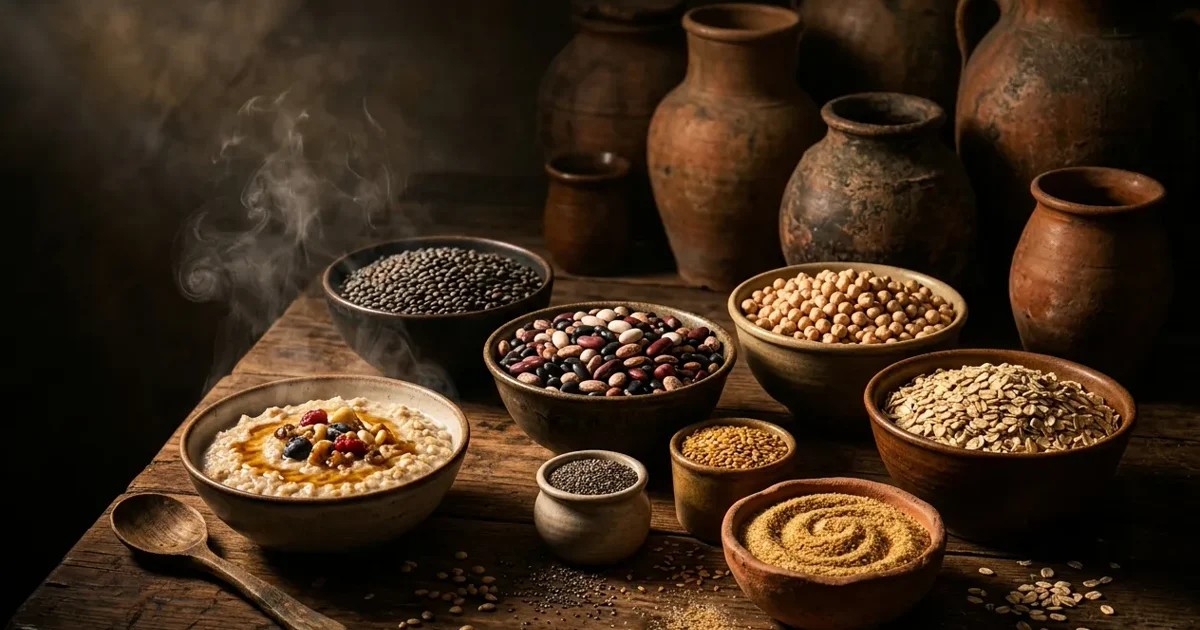
Steel-cut oats, rolled oats, quick oats, and instant oatmeal displayed in separate bowls
Oats formats compared for the cooking jobs they perform best.

The short answer

Buy old-fashioned rolled oats if you want one bag for porridge, overnight oats, granola, baking, and blending. Choose steel-cut for a chewy cooked bowl, quick oats for speed or recipes that need smaller flakes, and instant packets only when convenience outweighs control over sugar, sodium, and flavoring.

Choose this when...

Start with the dish, then verify the package. Format, ingredients, handling, and intended use matter more than a universal ranking.

UseChooseWhyCheckDo not miss
Overnight oatsOld-fashioned rolled oatsBroad flakes soften while retaining structure.Choose plain oats for seasoning control.Steel-cut oats need a different soak or cook method.
Chewy hot cerealSteel-cut oatsCut groats hold a distinct texture through simmering.Check whether they are quick-cooking steel-cut.Do not use rolled-oat timing.
Cookies and muffinsRolled or quick oats as the recipe statesFlake size affects moisture and chew.Match the named format.Instant flavored packets are not plain quick oats.
Fast office breakfastPlain instant oats or a low-added-sugar packetPre-cooking and thin flakes reduce preparation time.Check added sugar, sodium, and serving count.Convenience claims do not erase formulation differences.

Oats types compared

Steel-cut oats

Chewy and nutty

Choose it for
Long-simmered porridge and savory bowls
Label clue
Groats are cut rather than rolled.
Not the first choice for
Standard cookie formulas.

Rolled oats

Tender with visible flakes

Choose it for
Porridge, overnight oats, granola, and baking
Label clue
Old-fashioned is the flexible default.
Not the first choice for
Recipes requiring instant dissolution.

Quick oats

Soft and fast-cooking

Choose it for
Quick porridge and finer-textured baking
Label clue
Smaller flakes, usually plain.
Not the first choice for
Confusing them with flavored instant packets.

Instant packets

Very soft and formulation-dependent

Choose it for
Maximum convenience
Label clue
Check sugar, sodium, flavors, and serving size.
Not the first choice for
Assuming all packets equal plain oats.

Steel-cut vs rolled oats

Steel-cut oats are chopped groats; rolled oats are steamed and flattened. The first preserves a granular chew and needs more cooking, while the second hydrates broadly and works across more recipes. Neither format is a universal nutritional winner simply because it looks less processed.

Quick vs instant oats

Quick oats are rolled thinner or cut smaller to cook rapidly. Instant products may be further pre-cooked and packaged with sweeteners, salt, milk powders, or flavors. Read the ingredient panel before treating speed categories as equivalent.

The one-bag oat strategy

Rolled oats offer the broadest household utility. They can become breakfast, granola, muffins, cookies, crumble topping, or a blended addition. Add another format only when you repeatedly want either steel-cut chew or instant speed.

What to check before you buy oats

  • Plain versus flavored changes the ingredient list.
  • Quick and instant are not always synonyms.
  • Certified gluten-free is a specific control claim.
  • Package serving size can make packet comparisons misleading.

How an animal-feed grain became a format aisle

Oats moved through northern grain cultures, industrial rolling, branded breakfast cereal, and modern fiber marketing. Today the buying decision is largely the engineering of one groat into different cooking times and textures.

Read the full food history

Sources and label evidence

  1. [1]Types of Food Ingredients. FDA (2026).
  2. [2]The Oxford Companion to Food. Oxford University Press (2014).
  3. [3]The Cambridge World History of Food. Cambridge University Press (2000).
  4. [4]Oats. Encyclopaedia Britannica (2024).
  5. [5]On Food and Cooking: The Science and Lore of the Kitchen. Scribner (2004).
  6. [6]The Fibre Fad Keeps On Moving. The New Yorker (2026).
  7. [7]Oat production (world). FAOSTAT (2024).
๐Ÿ›๏ธ

Written by The Foods That Shaped Us Research Desk

The Foods That Shaped Us Research Desk is the publication byline for collaboratively maintained food-history articles, Case Files, Trend Desk analysis, and original Recipe Desk development. Historical work is grounded in cited sources. Recipes use measured formulations and receive an editorial consistency, safety-note, and image-provenance review before release.

Source-led editorial processยทRead our Editorial Standards