Halupki vs Golumpki: Same Stuffed Cabbage, Different Spelling
Halupki and golumpki are regional and family names for stuffed cabbage rolls in Central and Eastern European and diaspora kitchens — not two different dishes competing for a winner.
Halupki and golumpki are not two different stuffed cabbages fighting for authenticity. They are overlapping English spellings for cabbage leaves wrapped around meat and grain, related to Polish gołąbki, Slovak holubky, and neighboring rolls. Church cookbooks, immigration officers, and regional accents produced the American variants. Fillings and sauces vary by family. The name on the index card is not a separate species.
What's happening
Search treats “halupki vs golumpki” like a product matchup. American church basements and diner menus kept both spellings alive, and a 2026 soup trend around golumpki pulled the older roll names back into the box [1].
The honest answer is linguistic, not culinary warfare.
The history behind it
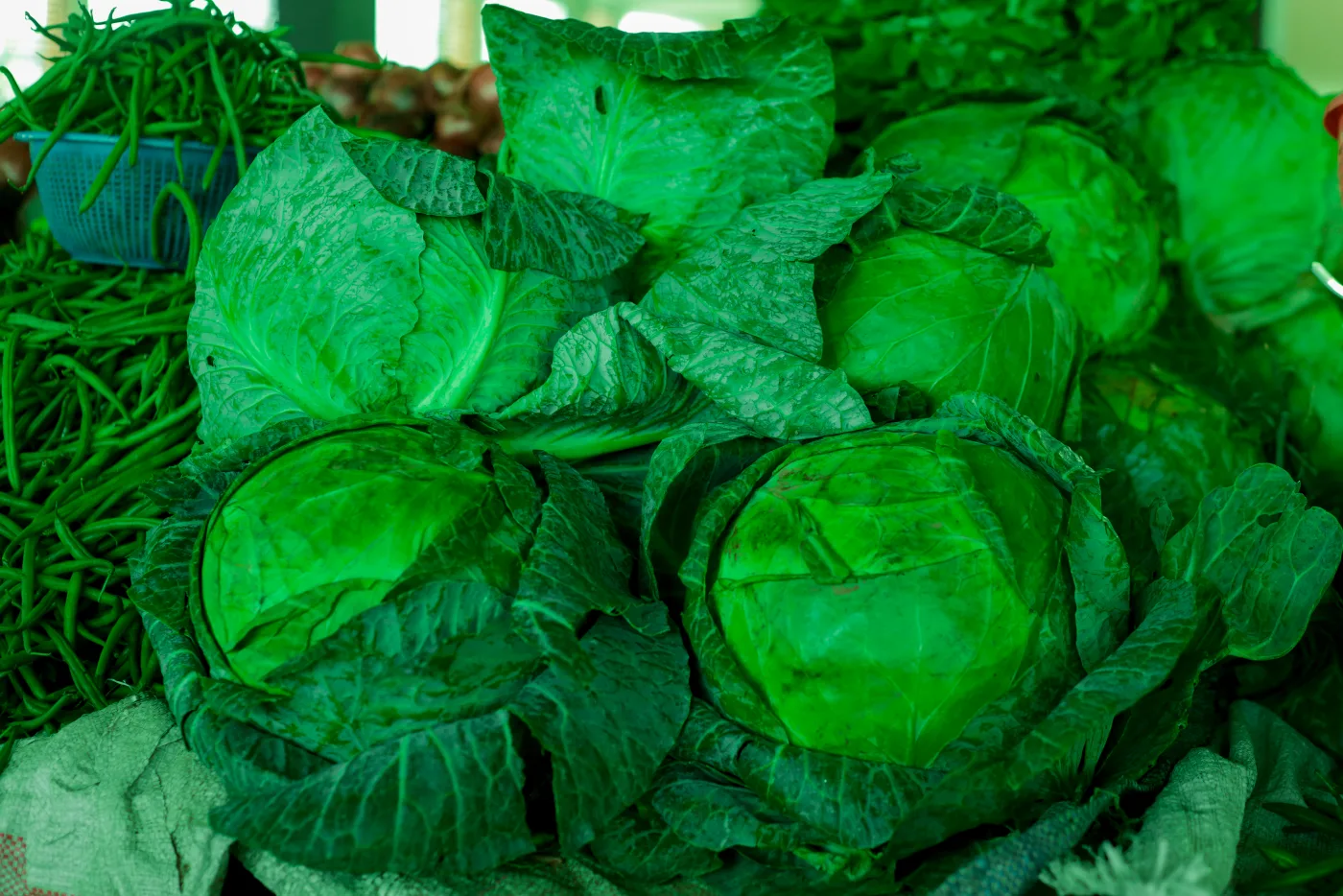
Stuffed cabbage is a widespread Central and Eastern European solution: a brassica leaf wrapping meat, grain, and onion, often simmered in tomato or sour sauce [2][3]. Polish gołąbki, Slovak and Czech holubky, Ukrainian holubtsi, and related rolls sit in that family. English “golumpki,” “golabki,” “halupki,” and “halubky” are transliteration and dialect outcomes, especially in Pennsylvania, Ohio, and other industrial diaspora towns.
Fillings differ — pork, beef, rice, barley, mushroom — because households differ. That variation is the history, not proof of two unrelated dishes.
Why it matters
The food-history value is that Google’s versus-frame can invent a rivalry the table never had. Naming the roll correctly is courtesy to the language it came from, not a contest. For cabbage as a crop, read Cabbage. For the soup format, see the golumpki soup Trend Desk note.
How to try it
Cook one family’s recipe and listen to what they call it. If a menu says halupki or golumpki, expect stuffed cabbage, then ask about the filling and sauce. Soup versions unbundle the roll into broth. None of those formats requires picking a national winner.
Common comparison questions
📖 Read the full history
Trend Desk notes are timely. The durable history behind each trend lives in these articles and collections.
Cabbage
The 4,000-year-old brassica domesticated from wild sea cabbage, spread by Romans and medieval farmers, and fermented into kimchi, sauerkraut, and the 2026 Pinterest Cabbage Crush
Golumpki Soup
Explore the full collection →
Golumpki Soup Recipe
Explore the full collection →
Food Comparisons
Explore the full collection →
Comments
Community comments are coming soon. Check back later to join the discussion!