Food history collection
Food Comparisons: What’s Actually the Same Ingredient?
Search treats two foods as twins. They usually are not. Panela, jaggery, and piloncillo are unrefined cane cousins from different regions. Hugo and Aperol share a spritz glass, not a flavor. Chili crisp, chili oil, and salsa macha start with chili in oil and then split by texture and tradition. This collection is the index: one canonical comparison page per cluster, then the longer food-history article when you want the crop, labor, or trade story.
Sweeteners
Unrefined cane and palm sugars look interchangeable in English. Region, plant, and processing still differ.
 Trend Desk
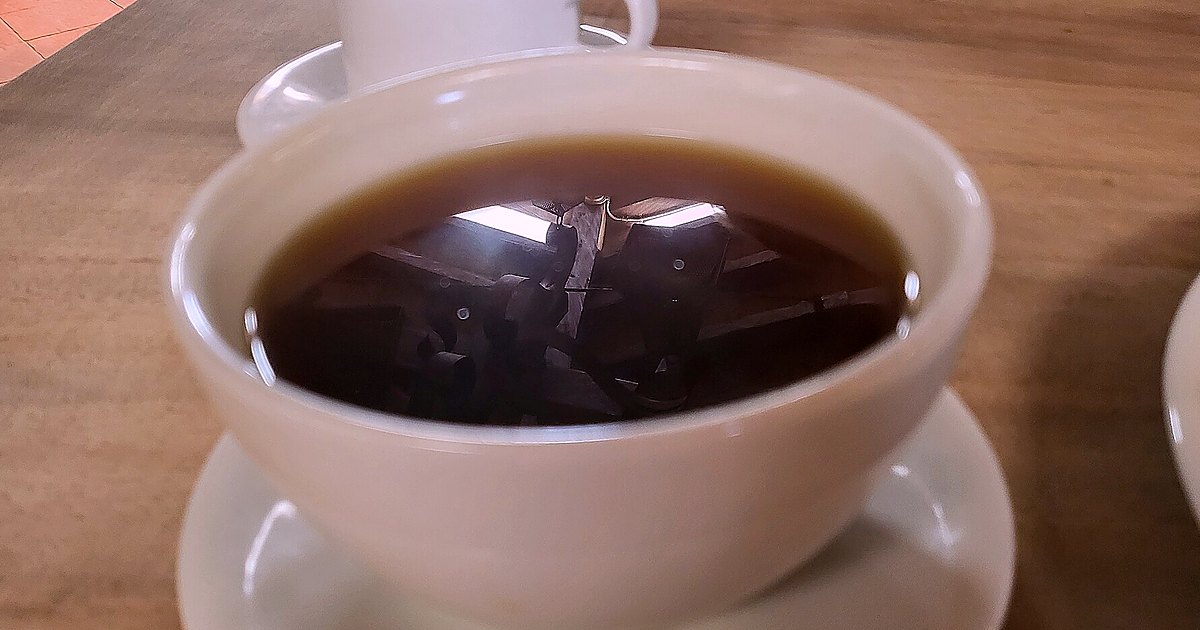
Panela vs Jaggery vs Piloncillo
Panela, jaggery, and piloncillo are unrefined cane (or palm) sugars from different regions — cousins, not identical blocks.
 Trend Desk
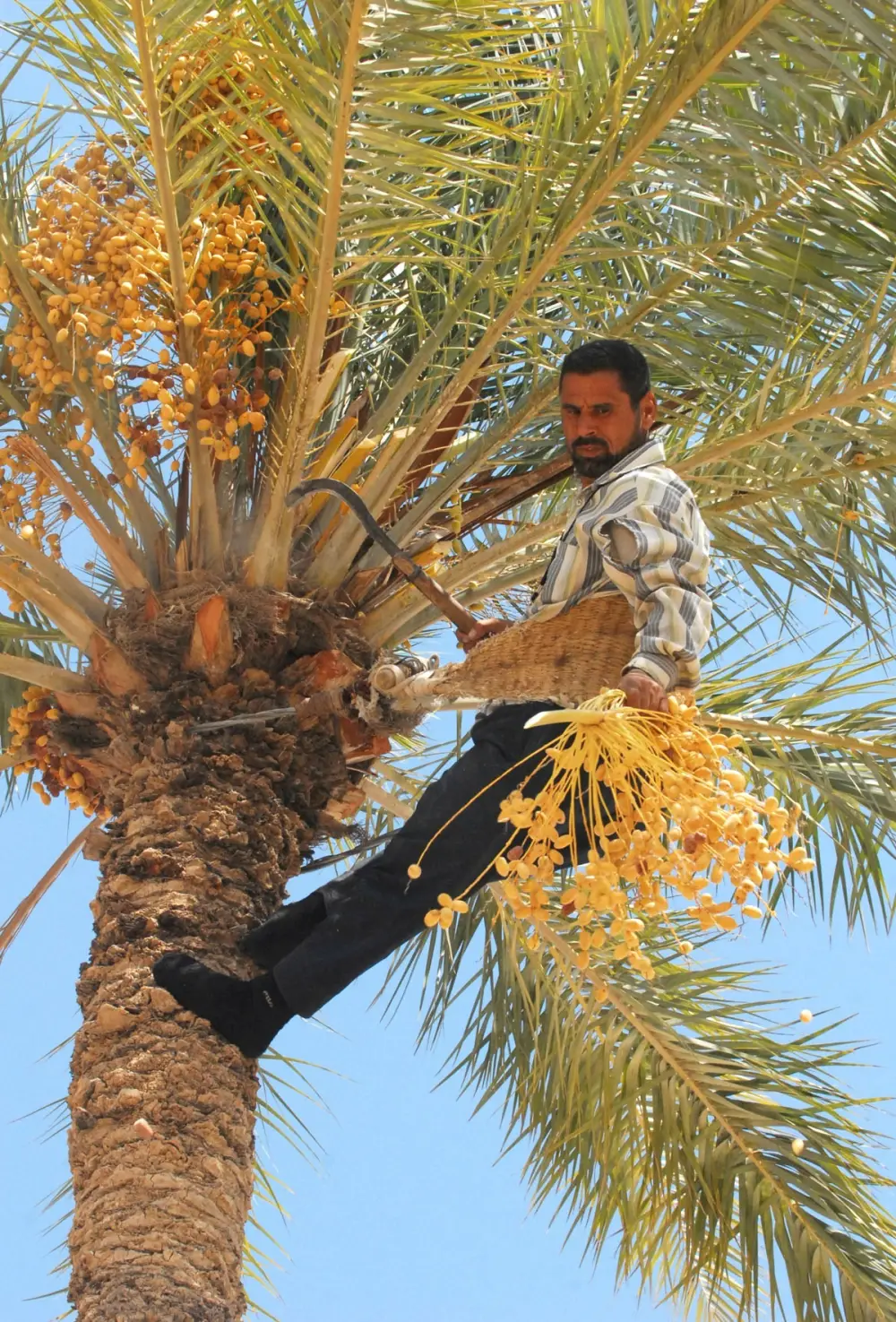
Date Syrup vs Sugar: The Ancient Sweetener Making a Comeback
Date syrup, trending in 2026 as a "mindful sweetener," is one of the oldest sweeteners on Earth — far older than refined sugar, which arrived in the medieval Mediterranean via Arab trade.
Full food-history articles
Spritz and aperitivi
Hugo, Aperol, Campari, and Select share ice and bubbles. The bitter, floral, and regional formulas do not.
 Trend Desk
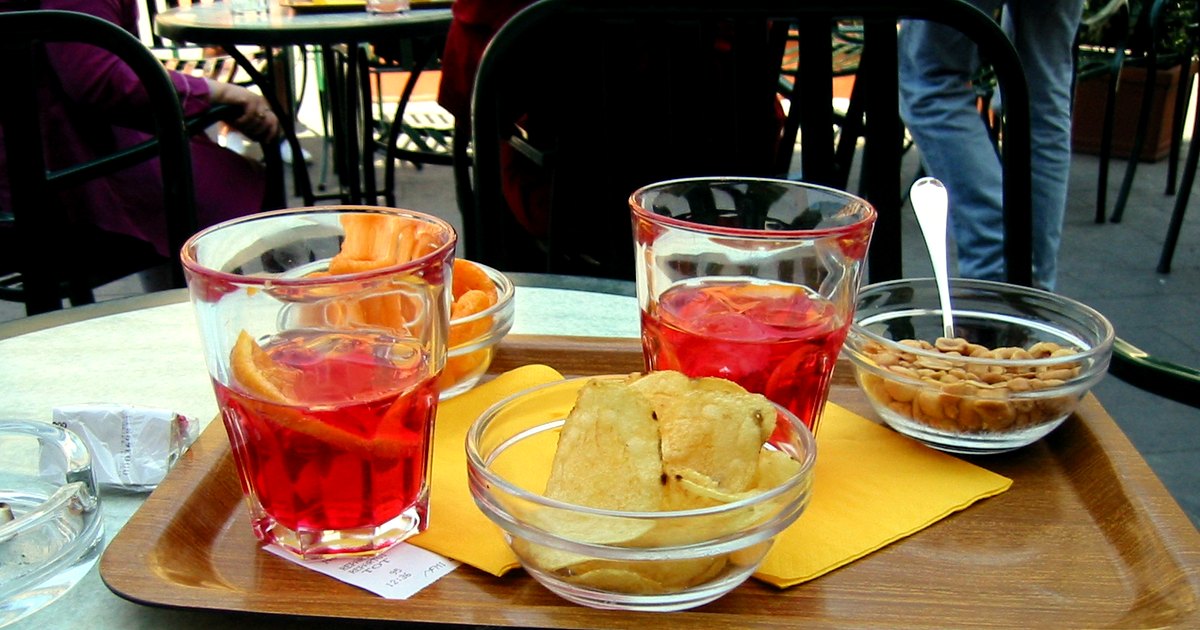
Hugo vs Aperol: The 2026 Spritz War Is Floral Against Bitter Orange
Hugo and Aperol spritzes are competing for summer 2026 glass space — elderflower and mint against bittersweet orange, both sitting inside an older Veneto spritz tradition.
 Trend Desk
Campari, Select, and Italy's Bitter Aperitivi
Select and Campari are sibling bitters in the aperitivo family, not the same recipe.
Full food-history articles
Chili condiments
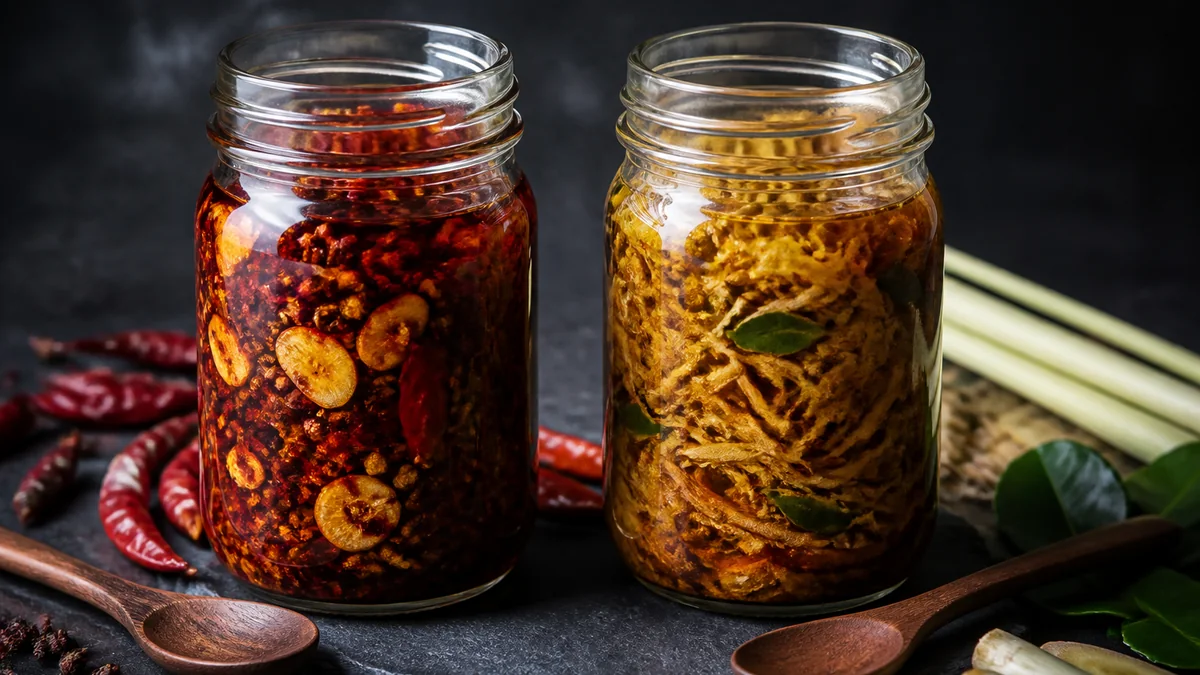
Chili in oil is a family, not one jar. Crisp, oil, salsa macha, Lao Gan Ma, and Cambodian-labeled crunch are different traditions or formats.
 Trend Desk
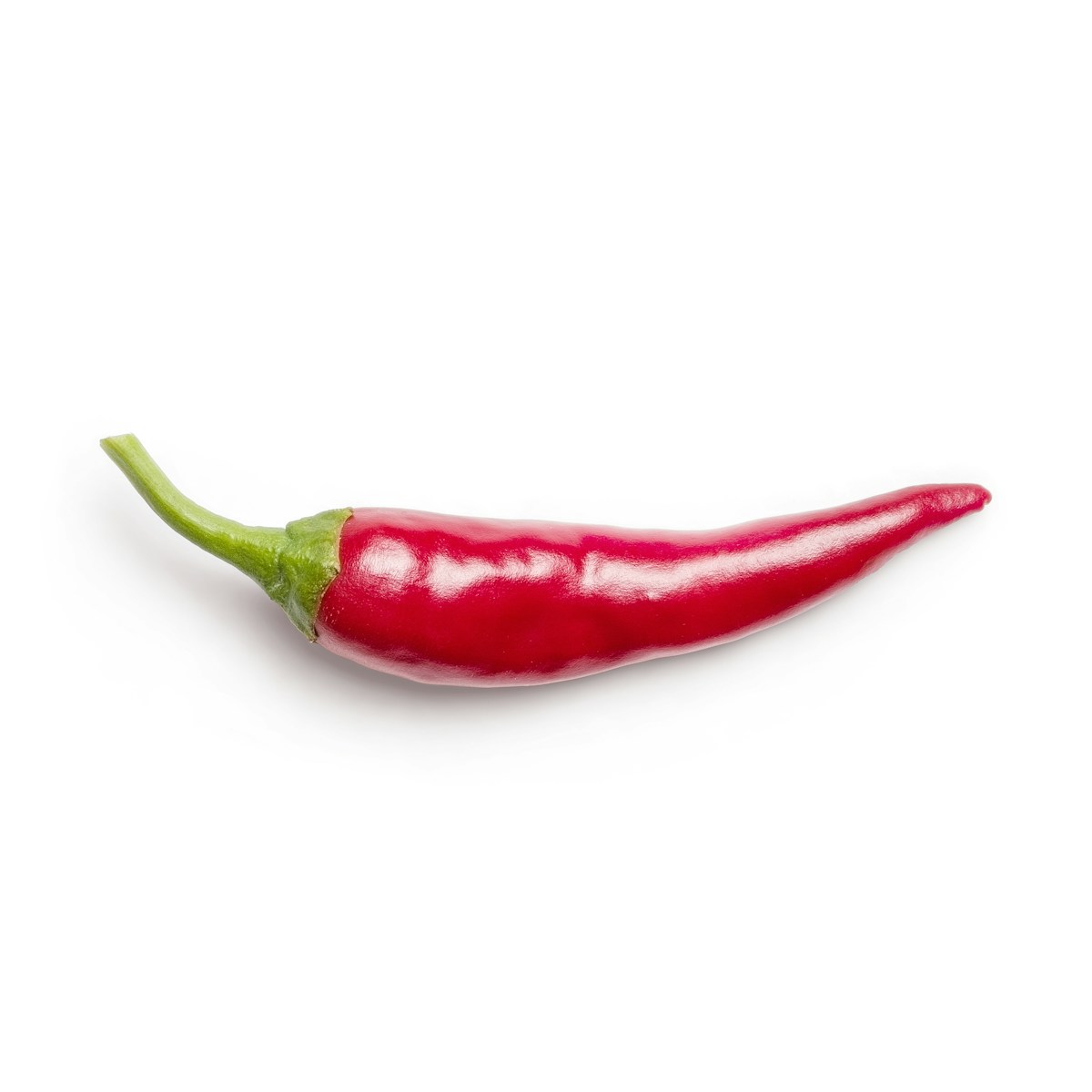
Chili Crisp vs Chili Oil vs Salsa Macha: Origin Differences Explained
Chili crisp, chili oil, and salsa macha all start with chili in oil — but crunchy Chinese jars, pourable hong you, and Mexican nut-chili macha are not the same condiment.
 Trend Desk
Cambodian vs Sichuan Chili Crisp: Not the Same Jar Tradition
English “Cambodian chili crisp” is a 2020s chili-in-oil format wearing Khmer aromatics. Sichuan chili crisp comes from Chinese chili oil and fried-chili sediment — not a Cambodian twin.
Full food-history articles
Soda and cream drinks
Dirty soda, Italian cream soda, and French soda all mix sweetness and fizz. The base drink and dairy logic differ.

Full food-history articles
Fermented soy and pastes
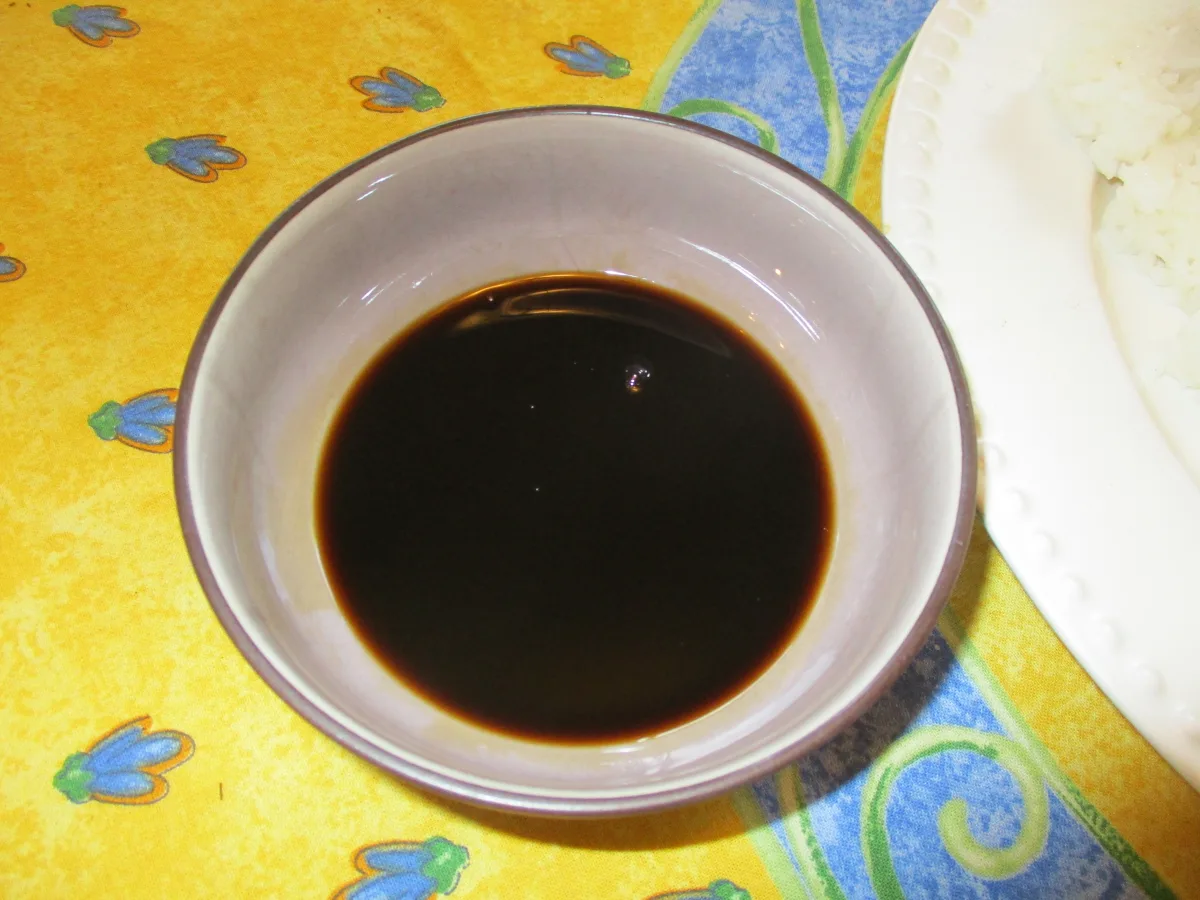
Natto, tempeh, and cheonggukjang share soybeans. Doenjang, chunjang, gochujang, and doubanjiang share a paste aisle, not a recipe.
Full food-history articles
Sesame
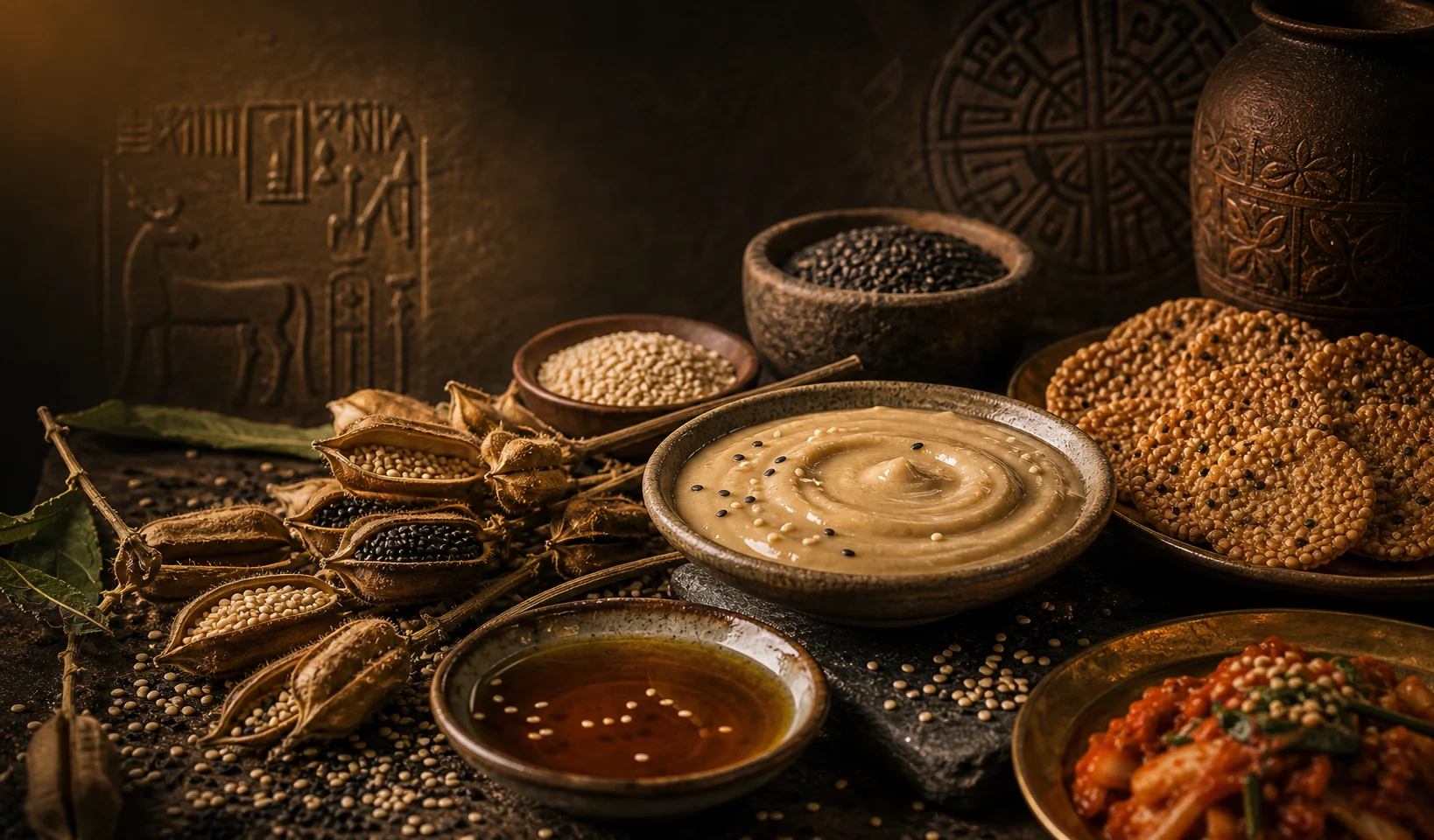
Black and white sesame are the same seed with and without the hull. Tahini and sesame oil inherit that split.
Full food-history articles
Fats
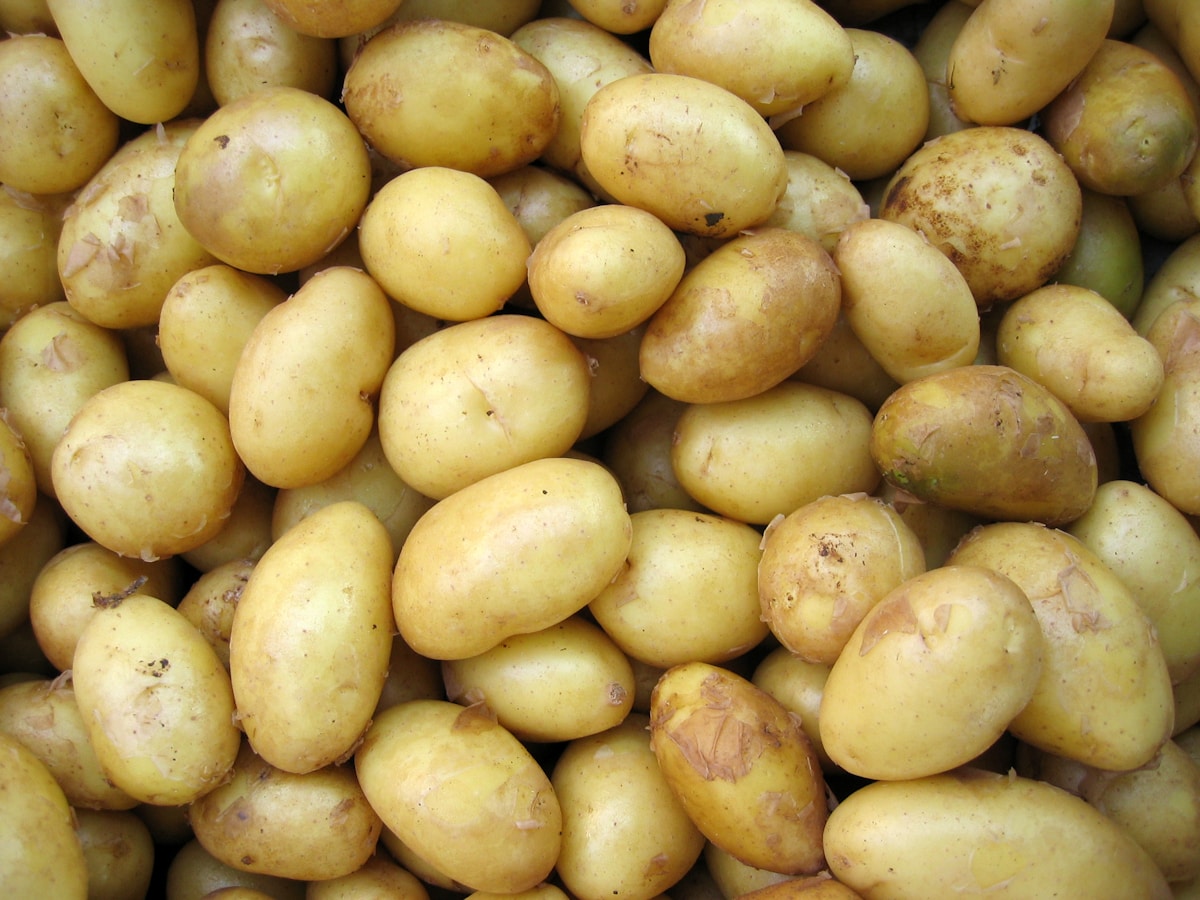
Ghee is clarified butter with milk solids removed. Duck fat fries are a fat choice, not a different potato.
 Trend Desk
Ghee vs Butter vs Clarified Butter
Ghee starts as butter. After clarifying, it is a different cooking fat.
 Trend Desk
Duck-Fat Fries Went From Bistro Flex to American Menu Default
Frying potatoes in duck fat was a French bistro move. In the U.S., it became a menu signal for richness — part of the same fat nostalgia that revived tallow.
Matcha, tea, and chai
Ceremonial and culinary matcha are grades. Oolong is oxidized tea. Chai and masala chai are not the same as a cafe chai latte.
 Trend Desk
Ceremonial vs Culinary Matcha: Grades Explained
Ceremonial and culinary matcha are marketing grades, not a USDA ladder.
 Trend Desk
Oolong Milk Tea vs Matcha Latte
Oolong and matcha are both Camellia sinensis. The processing is not the same.
 Trend Desk
Masala Chai vs Cafe Chai Latte
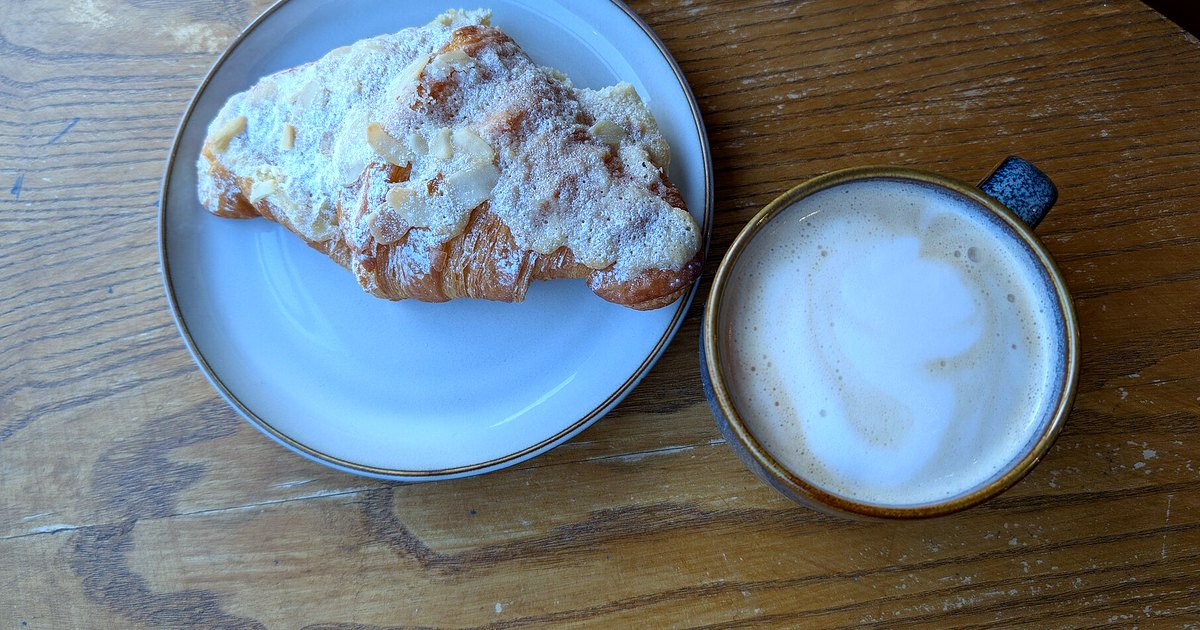
In English, “chai” often already means masala chai. A chai latte is a cafe format.
Full food-history articles
Southeast Asian pantry
Pandan is not vanilla or bay leaf. Garum and fish sauce are umami cousins from different eras.
 Trend Desk
Pandan vs Vanilla in Southeast Asia
Pandan perfumes desserts like vanilla does. It is a different plant. Bay leaf is a third, savory leaf.
 Trend Desk
Fish Sauce vs Garum: Umami Cousins
Fermented fish sauce is a technology, not one Roman product with Asian descendants.
Full food-history articles
Fiber and thickeners
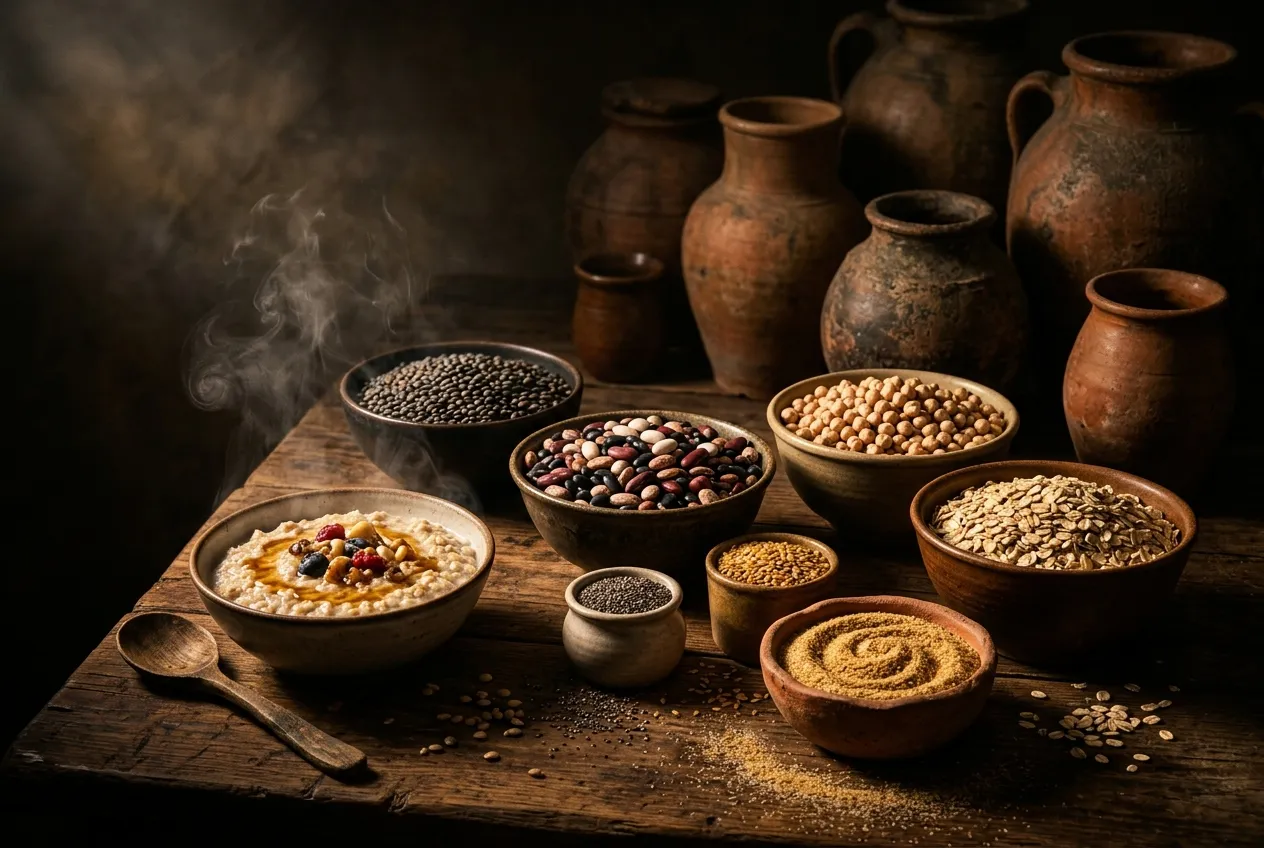
Dietary fiber is the nutrient name. Konjac and konnyaku are the same plant. Agar is seaweed gel, not konjac. Jerusalem artichoke and chicory both carry inulin.
 Trend Desk
Konjac and Shirataki Are Riding the Fiber Wave — an Old Japanese Root Crop
Shirataki noodles look like a 2026 diet hack. They are konjac: a Japanese (and East Asian) root processed into glucomannan gel noodles with a much older pantry life.
 Trend Desk
Agar vs Konjac: Seaweed Gel Versus Root Gel
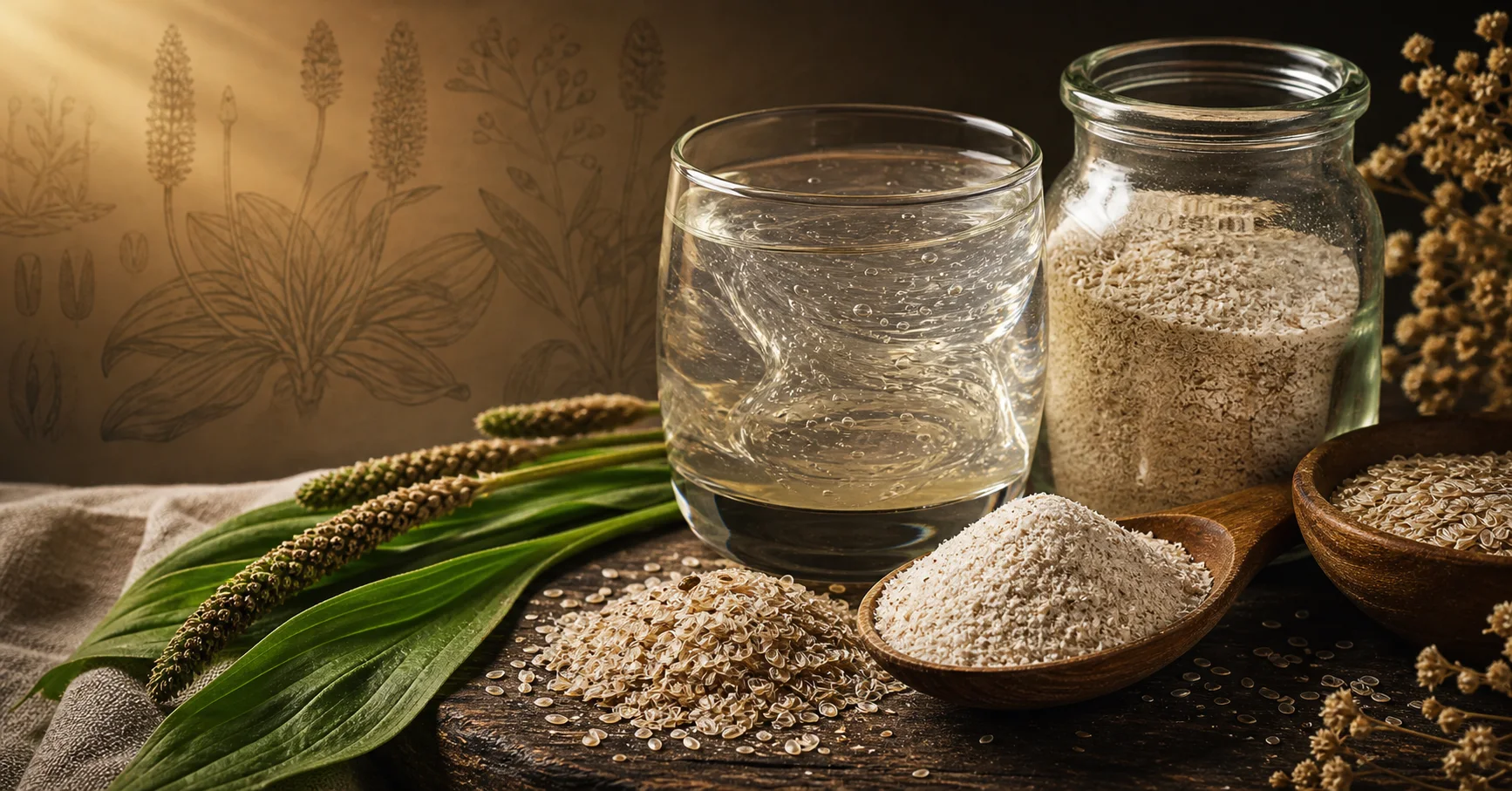
Agar-agar and konjac both set liquids into jelly. Agar is a red-seaweed polysaccharide. Konjac is glucomannan from an East Asian corm. They are not interchangeable thickeners.
 Trend Desk
Jerusalem Artichoke vs Chicory: Two Inulin Plants, Not One Root
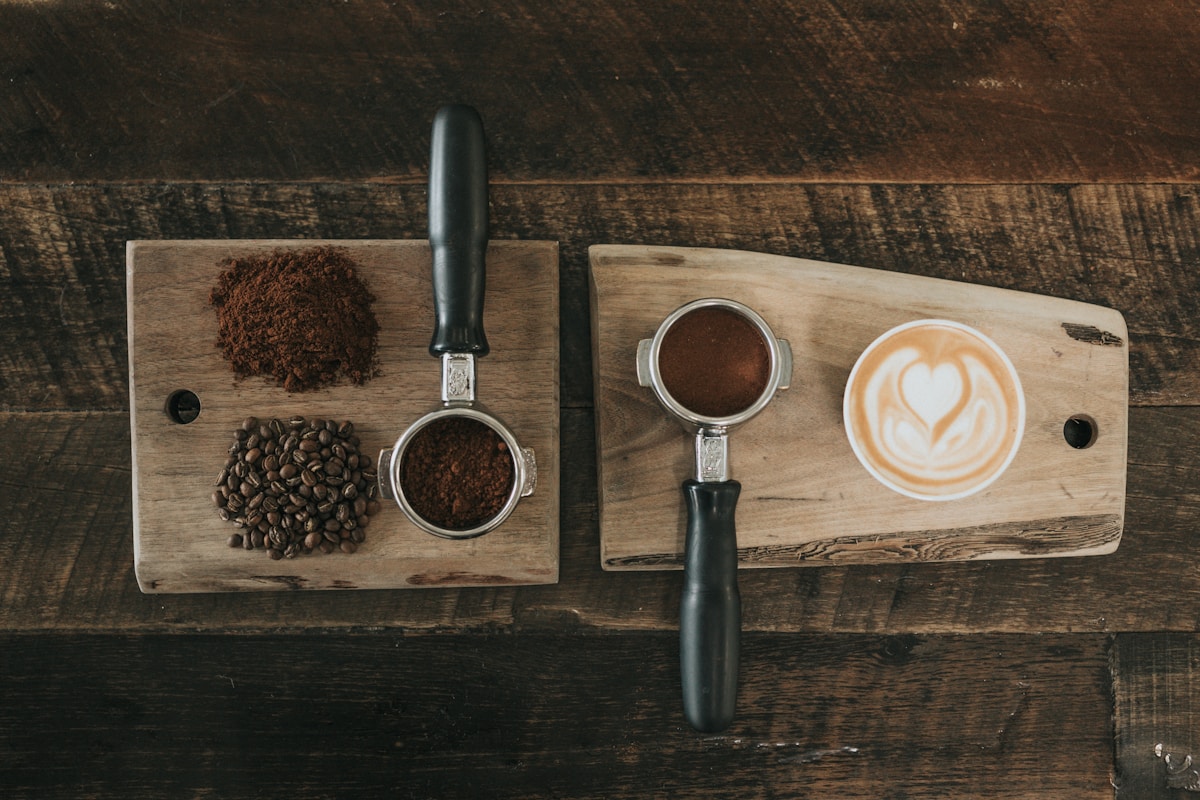
Jerusalem artichoke (sunchoke) is a sunflower relative grown for knobby tubers. Chicory is a different plant whose root was roasted for coffee and later extracted for inulin. Both store inulin. They are not the same vegetable.
Trend DeskChicory Root Went From Wartime Coffee to Inulin Fiber Darling
Chicory root roasted as a coffee extender in lean times. In 2026 it returns as inulin — a prebiotic fiber ingredient — with the same plant behind both stories.
Full food-history articles
Tubers, pastry, agave, and cabbage rolls
Ube is not taro. Kataifi is shredded pastry, not baklava. Maguey is the plant; agave nectar is a modern syrup. Halupki and golumpki name the same stuffed cabbage.
 Trend Desk
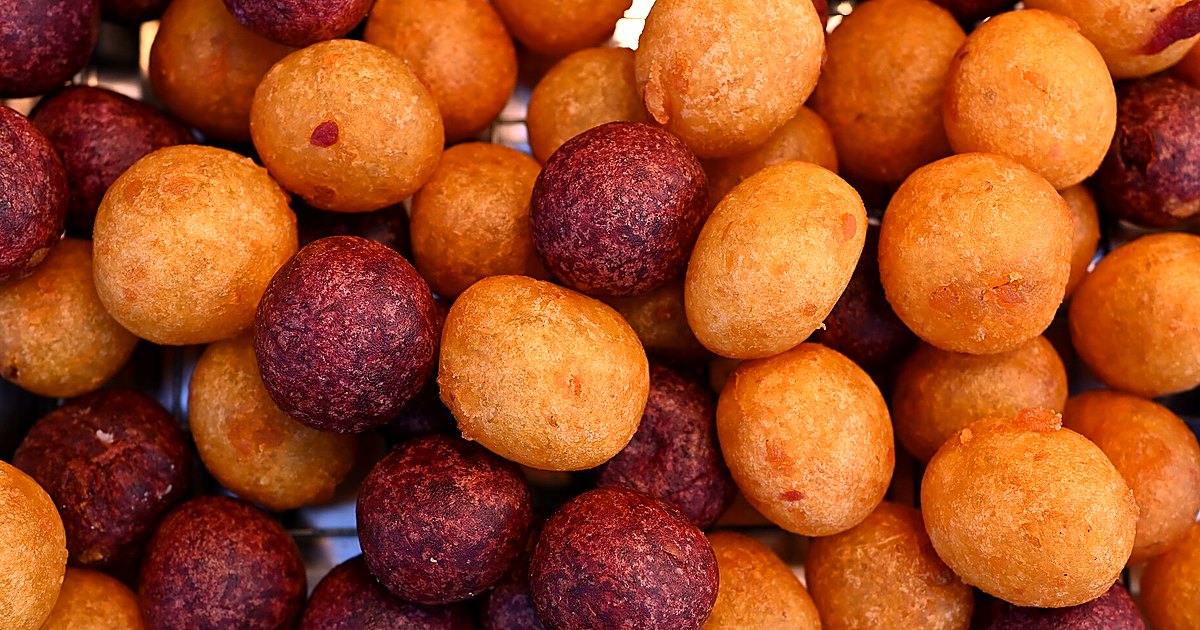
Ube vs Taro vs Purple Sweet Potato
Purple color is not a species. Ube, taro, and purple sweet potato are different plants.
 Trend Desk
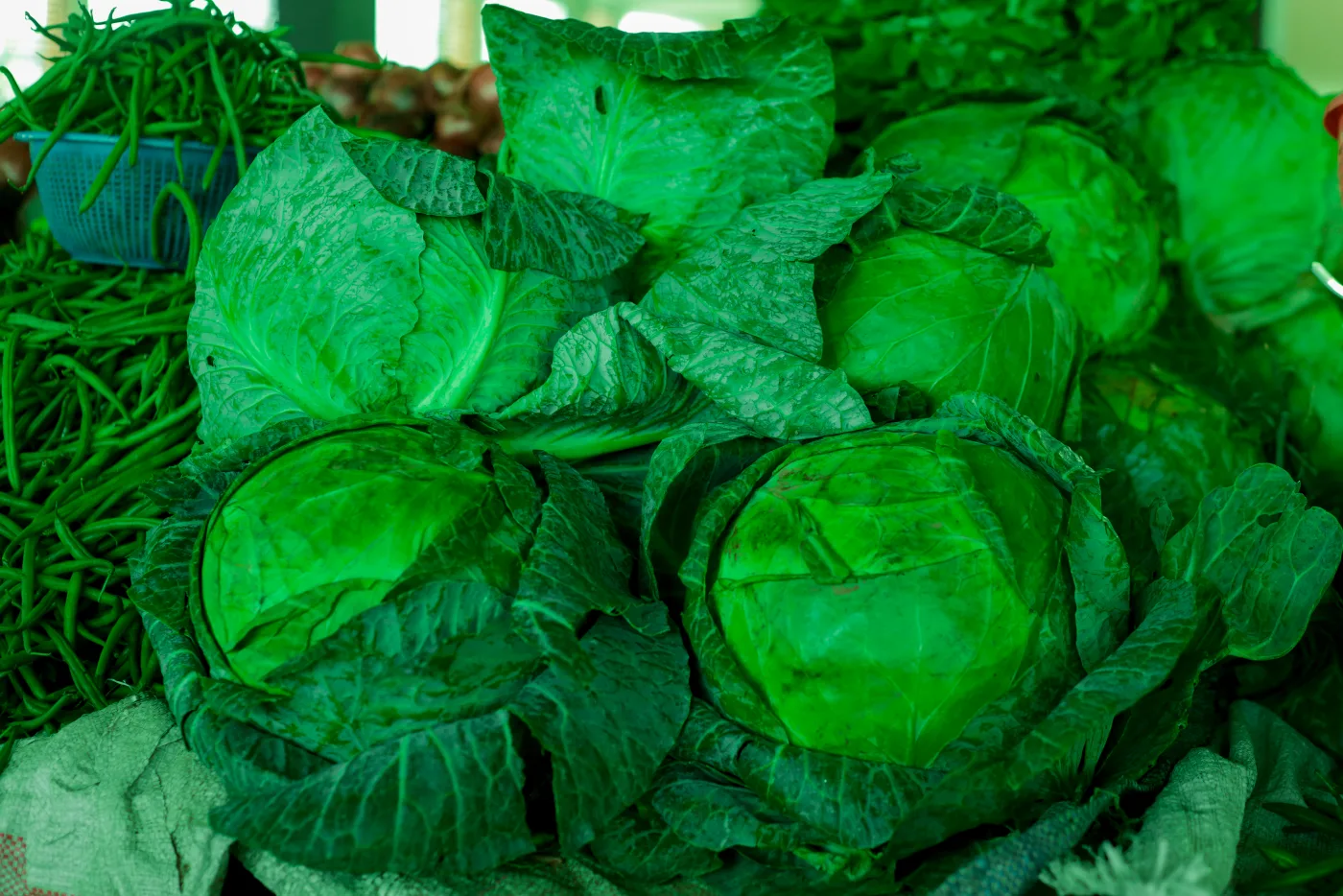
Pikliz vs Kimchi: Haiti’s Vinegar Heat Is Not Korean Kimchi
Pikliz and kimchi both put cabbage and chili on the table. Kimchi is a Korean salted ferment. Pikliz is a Haitian vinegar pickle. Shared vegetables do not make one condiment.
 Trend Desk
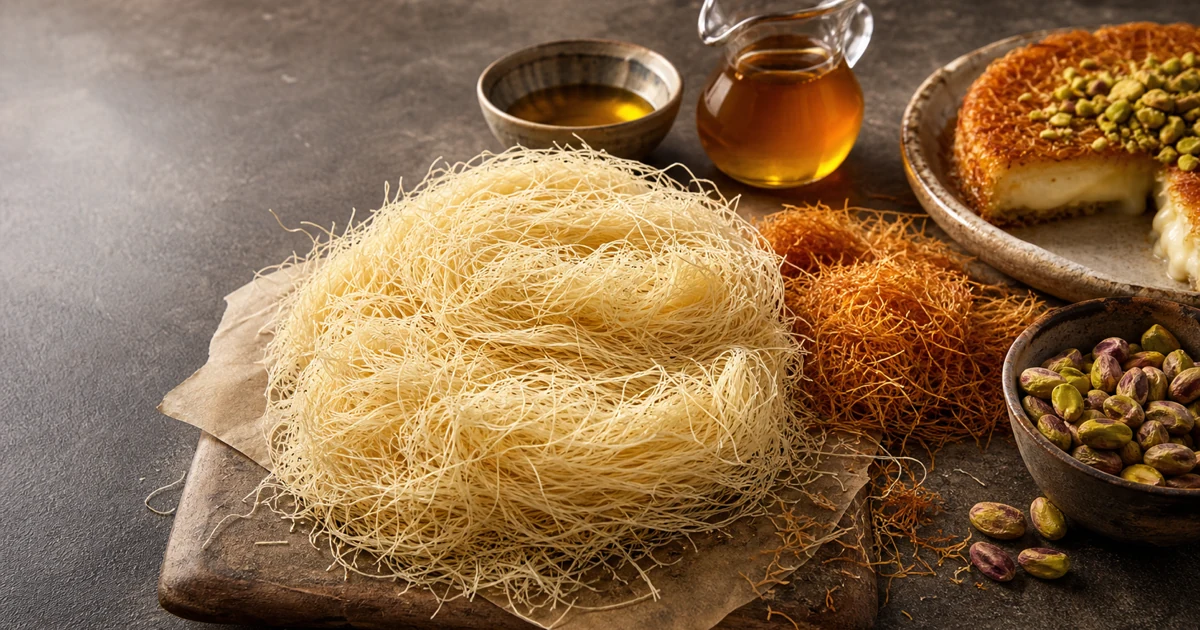
Kataifi vs Baklava: Shredded Threads Are Not Layered Baklava
Kataifi is a fine pastry thread. Baklava is stacked phyllo with nuts and syrup. They share a phyllo family and a syrup logic. They are not the same dessert — and Dubai chocolate uses kataifi, not baklava sheets.
 Trend Desk
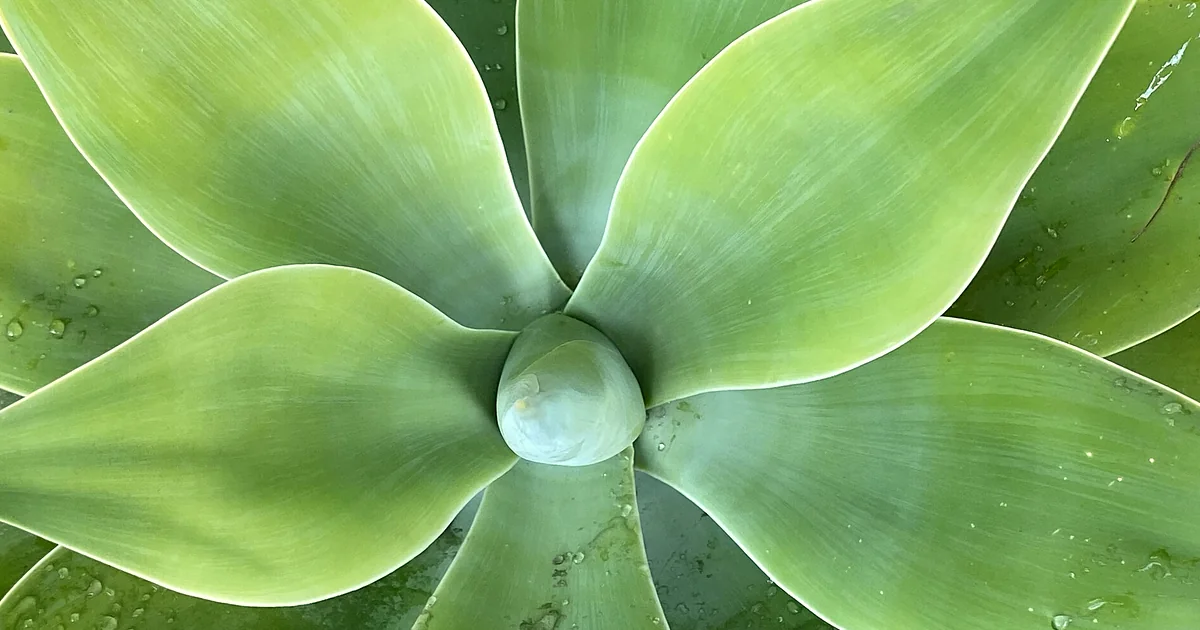
Maguey vs Agave: The Plant Has Many Names, the Syrup Is New
Maguey is a traditional Mesoamerican name for agave plants used for pulque, fiber, and later mezcal. Agave nectar is a modern sweetener processed from agave sap. The plant is old. The grocery syrup is not an ancient identical product.
Trend DeskHalupki vs Golumpki: Same Stuffed Cabbage, Different Spelling
Halupki and golumpki are regional and family names for stuffed cabbage rolls in Central and Eastern European and diaspora kitchens — not two different dishes competing for a winner.
Full food-history articles