MSG Is Trending Again — the Umami Powder Was Invented in 1908
MSG is back on menus as an umami tool. The seasoning dates to Kikunae Ikeda’s 1908 work on kombu — not to a 1960s restaurant scare story.
MSG — monosodium glutamate — was developed after Kikunae Ikeda studied kombu’s savory taste in 1908. Datassential now lists MSG among 2026 “new classics.” The powder did not invent umami; it industrialized a taste already present in dashi, cheese, tomatoes, and fermented sauces.
What's happening
Chefs and product developers are naming MSG again as a clean umami lever, and trend reports list it among flavors to know in 2026 [1]. That visibility collides with older English-language scare stories about restaurant MSG.
A food-history desk should answer the origin query first: 1908, Ikeda, kombu — then explain the myth layer.
The history behind it
Ikeda identified glutamate as the source of kombu broth’s savoriness and helped commercialize MSG as a seasoning [2][3]. Glutamate already existed in traditional foods; the factory made it portable. Later twentieth-century media often framed MSG through culturally loaded restaurant myths rather than through that chemistry-and-industry record.
For the full evergreen, see the MSG article.
Why it matters
MSG is a rare trend topic where correcting the timeline is the entire editorial job. Readers searching “MSG origin” deserve Ikeda’s date, not a wellness sermon or a recycled panic headline.
The bottom line
MSG is a 1908 Japanese seasoning invention tied to kombu research. Umami is older than the brand jar. Use the evergreen page for sources, definitions, and the myth boundary — this note is the timely bridge.
📖 Read the full history
Trend Desk notes are timely. The durable history behind each trend lives in these articles and collections.

MSG
How glutamate isolated from kombu became Ajinomoto, global seasoning, and a contested restaurant-culture story
Dashi
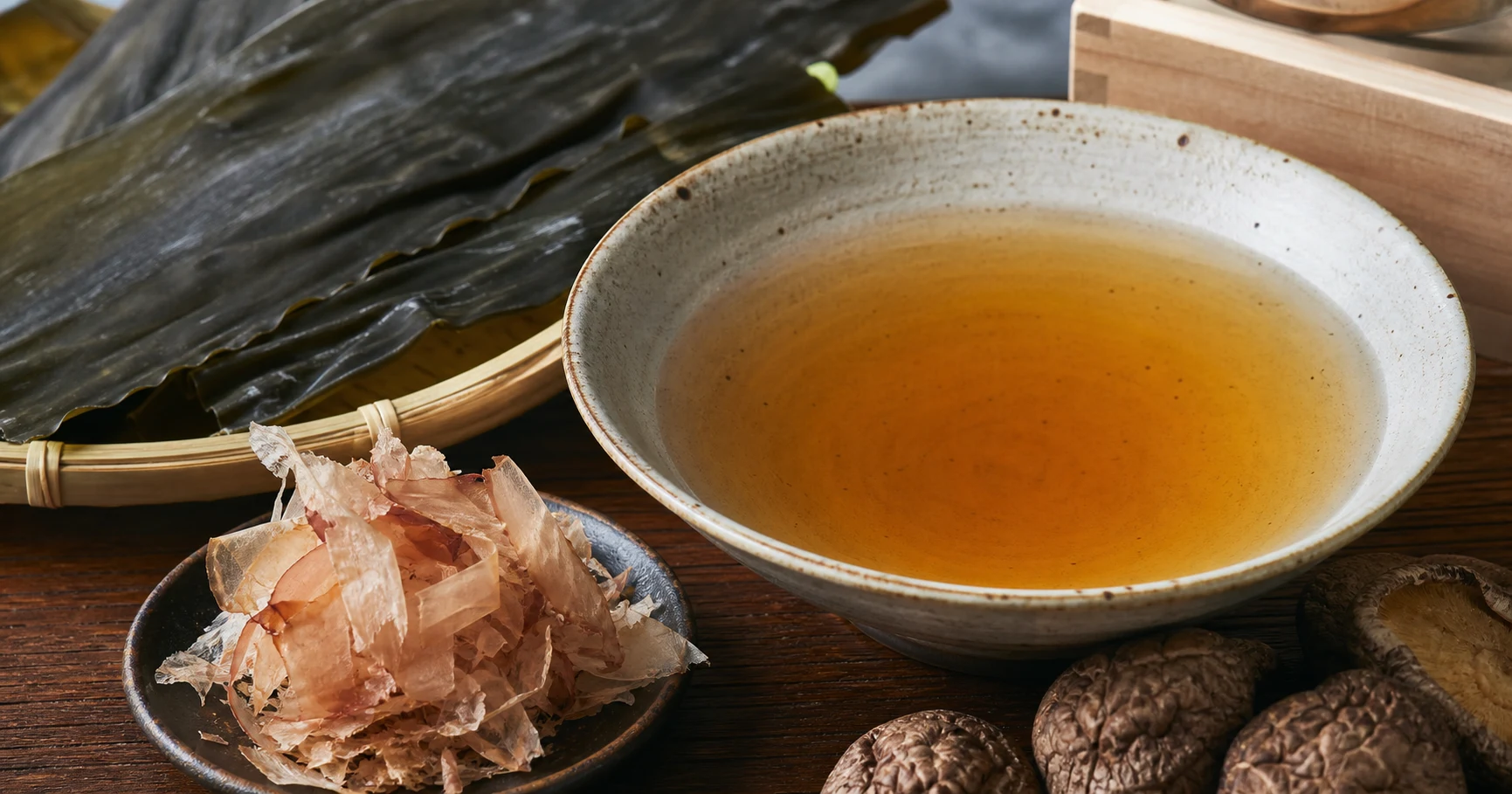
How kelp, dried bonito, mushrooms, and maritime trade created a foundational Japanese broth

Soy Sauce
The fermented seasoning that carried East Asian umami across the world
Comments
Community comments are coming soon. Check back later to join the discussion!