💡 Key Takeaways
- MSG is monosodium glutamate, isolated as a seasoning after Kikunae Ikeda studied the savory taste of kombu broth in 1908.
- Umami is a basic taste associated with glutamate and related compounds found in many traditional foods.
- Industrial MSG made a concentrated form of that taste widely available; it did not invent savoriness.
- Scare narratives about “Chinese restaurant syndrome” are weaker than the long history of glutamate-rich cooking.
What Is MSG?
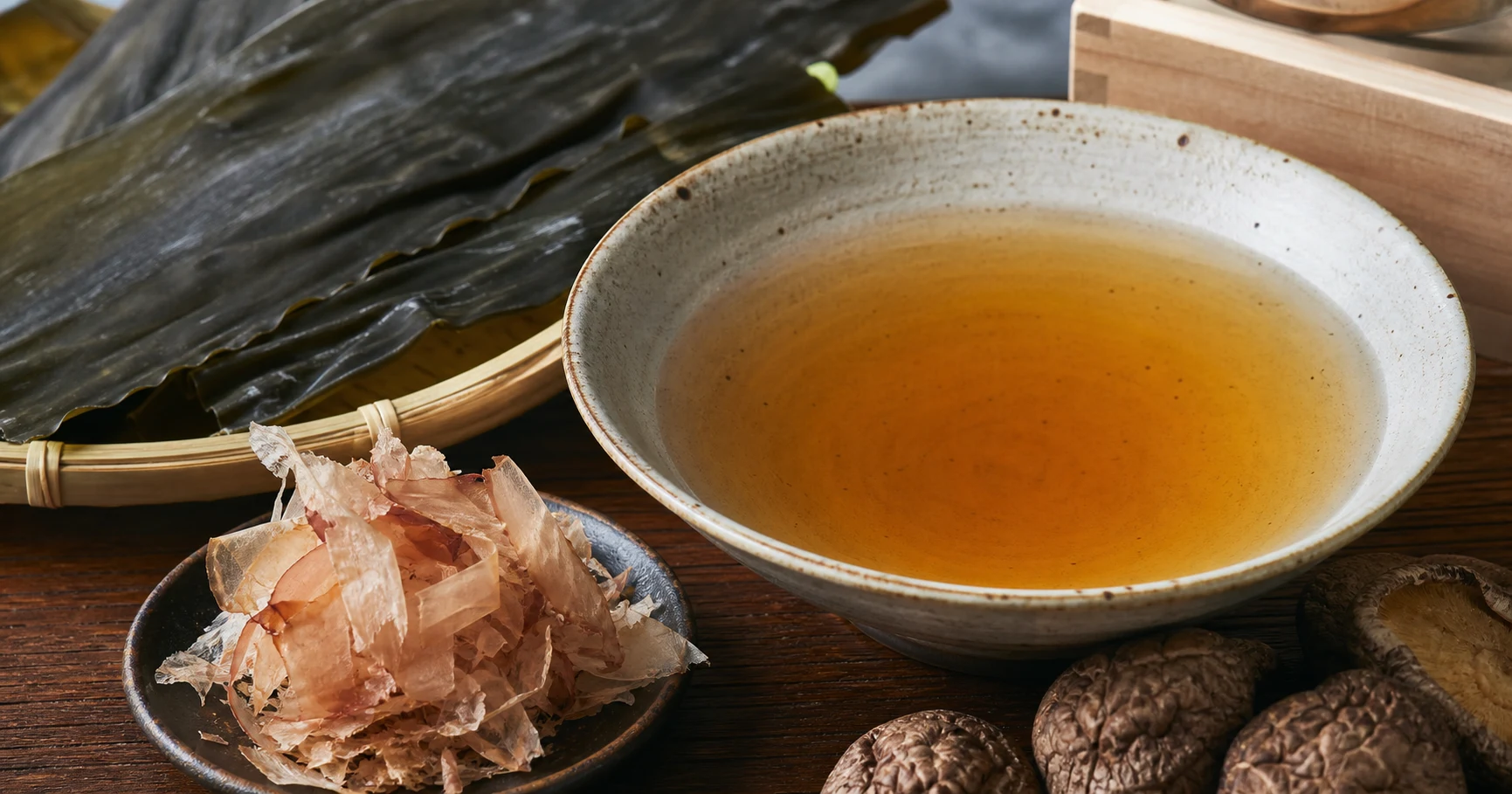
MSG is monosodium glutamate, the sodium salt of glutamic acid. In cooking it is used as a seasoning that intensifies savory taste. Food-history readers searching for MSG origin usually want a date and a person: the industrial seasoning was developed after Japanese chemist Kikunae Ikeda studied why dashi made with kombu tasted deeply savory [1][3].
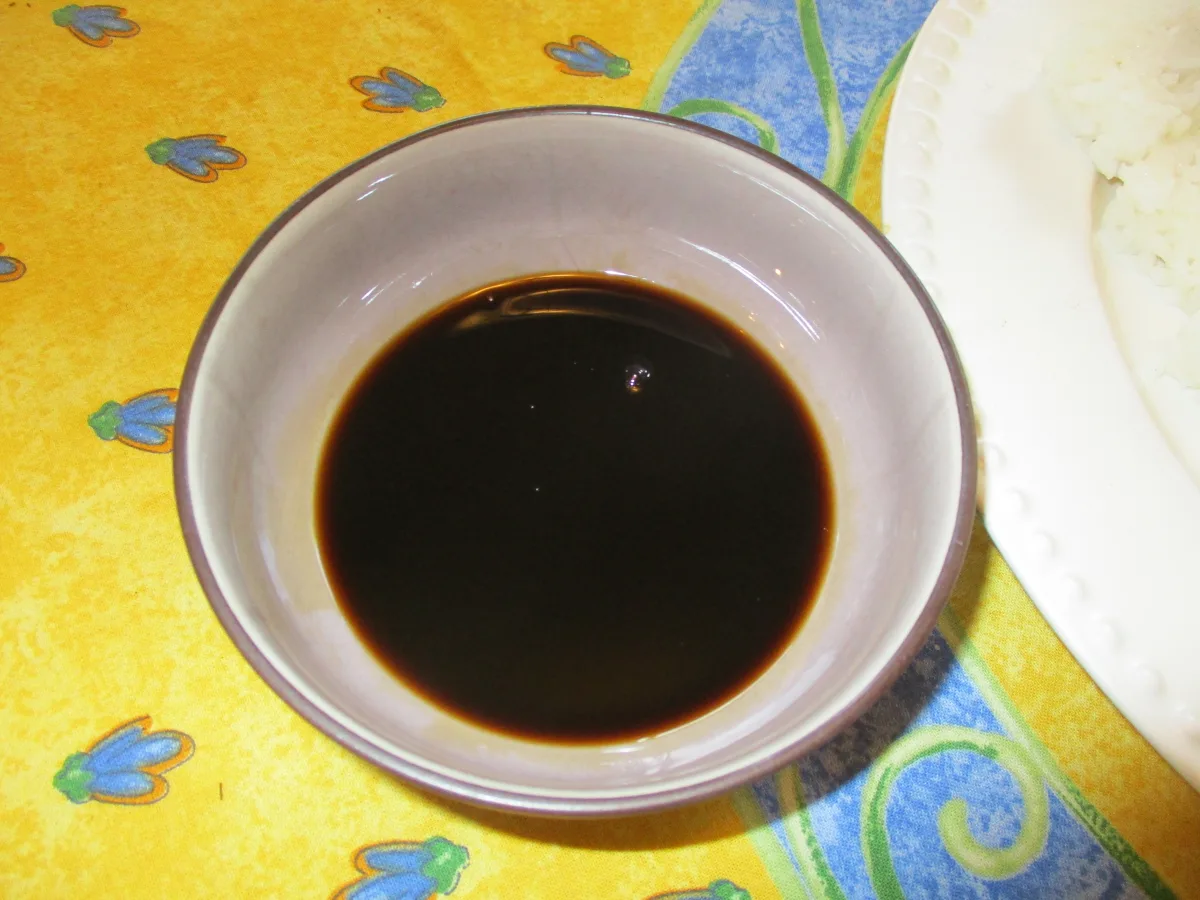
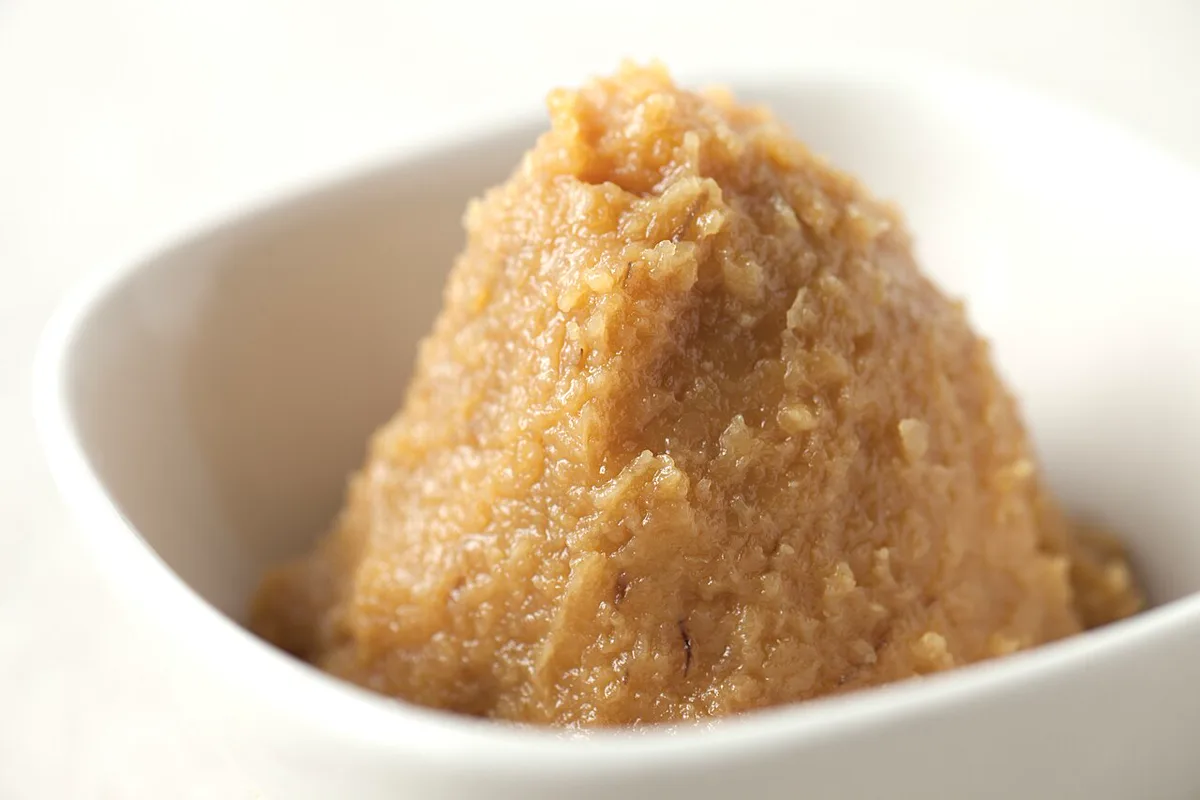
MSG does not invent umami. It concentrates a taste compound already present in kombu, ripe tomatoes, aged cheese, mushrooms, cured meats, and fermented sauces such as soy sauce and miso [2]. The modern powder made that effect portable, cheap, and brandable.
Ikeda, Kombu, and the 1908 Breakthrough
Around 1908, Ikeda argued that kombu broth carried a basic taste distinct from sweet, sour, salty, and bitter. He identified glutamate as the key compound and helped launch commercial production of MSG as a kitchen seasoning [3][4]. That story is Japanese industrial food science meeting an older coastal broth tradition.
The brand history that followed — especially Ajinomoto — turned a laboratory insight into a mass commodity. Factories, patents, advertising, and export markets matter here as much as the original tasting note. MSG history is therefore both a chemistry story and a twentieth-century food-industry story.
How MSG Entered Global Kitchens
By the mid-twentieth century, MSG appeared in processed soups, snacks, restaurant stocks, and home spice cabinets across Asia and beyond. Chefs and manufacturers valued it because a small amount could deepen broth and meat flavors without adding a strong spice identity of its own.
This is why MSG belongs on a food-history site rather than only a wellness site. The durable questions are about taste science, industrial seasoning, and cultural prestige — not medical verdicts. A source-led page should separate glutamate-rich traditional cooking from the later branding wars around a white crystalline powder.
Myth, Media, and Why the History Still Matters
English-language food media in the later twentieth century often framed MSG through restaurant scare stories. Those narratives were culturally loaded and scientifically weak compared with the older record of glutamate-rich foods [2][4]. Food history’s job is to put the powder back into context: kombu, fermentation, industrial Japan, diaspora restaurants, and modern umami marketing.
For readers landing on “MSG history” or “who invented MSG,” the clean answer is 1908 and Ikeda’s work on kombu taste — with the reminder that savoriness itself is far older than any factory label.
In the news
Recent 2026 food-culture notes that reference this article.
Historical Timeline
Kikunae Ikeda identifies glutamate as the source of kombu’s savory taste and develops MSG as a seasoning
Commercial production expands under brands such as Ajinomoto
MSG spreads through processed foods, restaurants, and home kitchens worldwide
Public controversy around restaurant MSG myths shapes English-language food media
Evidence Explorer
Review the Source Trail
Inspect the article sources, scoped review credits, and copyable citation details without leaving the page.
Reviewed for Stated Scope
Sources Listed
Comments
Community comments are coming soon. Check back later to join the discussion!