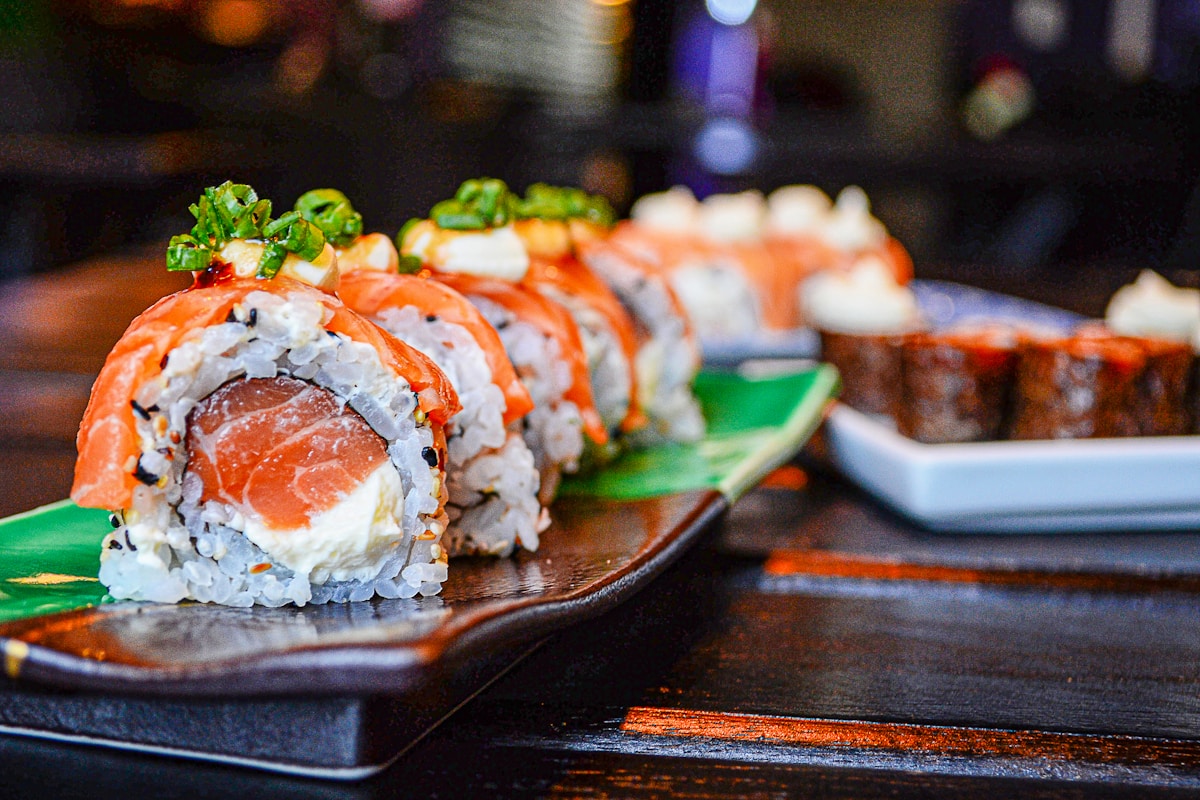
Is Sushi Really a Cold Raw-Fish Dish?
Source and factual review: Mehdi Iarab — Reviewed against cited public sources for: Auditing ancient fermentation timelines, Yoro Code tax entries, and modern culinary definition audits.
Review lanes show the scope checked for this case file. Active standalone case files present source-led historical context.
Is sushi really a cold raw-fish dish?
Verdict: Not exactly. Modern sushi is defined by seasoned rice (*shari*), not raw fish, and its oldest ancestor was fermented fish preservation (*narezushi*) where the rice was often discarded. In high-end nigiri practice, *shari* is often served warm or near body temperature, while the topping (*neta*) temperature is adjusted by fish type, fat content, aging, and chef style.
Why it matters: Popular definitions often reduce sushi to cold vinegared rice with raw seafood, but that is incomplete. Sushi is better understood through seasoned sour rice and preservation history. In many long-fermented narezushi forms, rice acted primarily as a fermentation medium for preserving fish and was often discarded. During the Muromachi period, shorter-fermented namanare made it possible to eat the rice and fish together. Later, Edo-period sushi used vinegar to reproduce sourness quickly, turning preservation logic into urban fast food. In high-end nigiri practice, the rice is often served warm or near body temperature, while the topping may be cooler and adjusted by fish type.
The Fallacy of Cold Rice and Raw Fish
To many global diners and standard reference works, sushi is defined simply as a dish of cold vinegared rice served with raw seafood. For example, the current Encyclopædia Britannica entry defines it as cooked rice "served cold" [9]. That quick definition is useful for modern readers, but incomplete from both a culinary science and historical perspective. In high-end nigiri practice, the seasoned rice (shari) is often served warm or near body temperature (approximately 36°C–37°C or 97°F–98°F). When rice is chilled, its starch molecules undergo retrogradation, recrystallizing and turning the grains hard and waxy. Furthermore, cold temperatures can mask the delicate balance of vinegar, salt, and sugar in the rice. Properly executed sushi relies on precise temperature management: while the shari remains warm, the topping (neta) temperature is carefully adjusted by the chef based on the fish type, fat content, and aging to maximize flavor and texture [1][2].
Narezushi and the Starch Preservation Medium
Historically, the defining element of sushi had nothing to do with raw fish, and the rice was not always eaten. Originating in Southeast Asian rice-and-fish preservation cultures, the earliest ancestor of sushi was *narezushi*. In this ancient preservation method, cleaned and salted freshwater fish was packed into containers with cooked rice. Lactic acid bacteria (such as *Lactobacillus* species) metabolized the starch in the rice, producing lactic acid. This dropped the pH, creating an acidic preservation environment that helped keep the fish stable for months [5][6][10]. When it was time to eat, the rice, which had degraded into a sour, sticky, fermented paste in many long-fermented forms, was often discarded. The point is not that rice was never eaten, but that long fermentation originally made rice a preservation medium before household, regional, and shorter-fermented styles made eating rice and fish together more common over time. It was only as preservation needs shifted and food security improved in medieval Japan that cooks began systematically eating the rice and fish together before the fermentation went too far [2][6][10].
The Etymology of "Sour Taste"
The word *sushi* is commonly connected to sourness, preserving the memory of the older fermented flavor profile created by lactic acid rather than raw fish alone [4][5]. Early legal and administrative records, including the Yōrō Code (compiled in 718, enacted in 757) and later records such as the Engishiki, treated *narezushi* as a tax in kind paid to the Imperial court [5][8]. Over the centuries, this preservation technique evolved. During the Muromachi period (1336–1573), cooks shortened the fermentation time to create *namanare* (partially fermented sushi), establishing the critical evolutionary bridge where fish and sour rice were consumed together [6][10]. In the 17th century, when Matsumoto Yoshiichi and other innovators began adding rice vinegar to freshly cooked rice (*haya-zushi*), they were using acetic acid to reproduce the sour, fermented flavor of *narezushi* without the wait. When Hanaya Yohei created hand-pressed *nigiri-zushi* in Edo around 1824, he used this vinegar-seasoned rice as a base for fresh Edo Bay seafood [7][10]. Modern sushi is thus defined by the presence of this seasoned, sour rice, not by raw fish alone.