💡 Key Takeaways
- Banh mi is Vietnamese even though its bread history is entangled with French colonial rule.
- The familiar sandwich developed in twentieth-century Vietnam rather than arriving as an unchanged French recipe.
- Pickles, herbs, chili, seasoning sauces, and local proteins give banh mi its culinary grammar.
- Vietnamese migration carried banh mi into a global network of bakeries and street-food businesses.
What Makes Banh Mi Vietnamese?
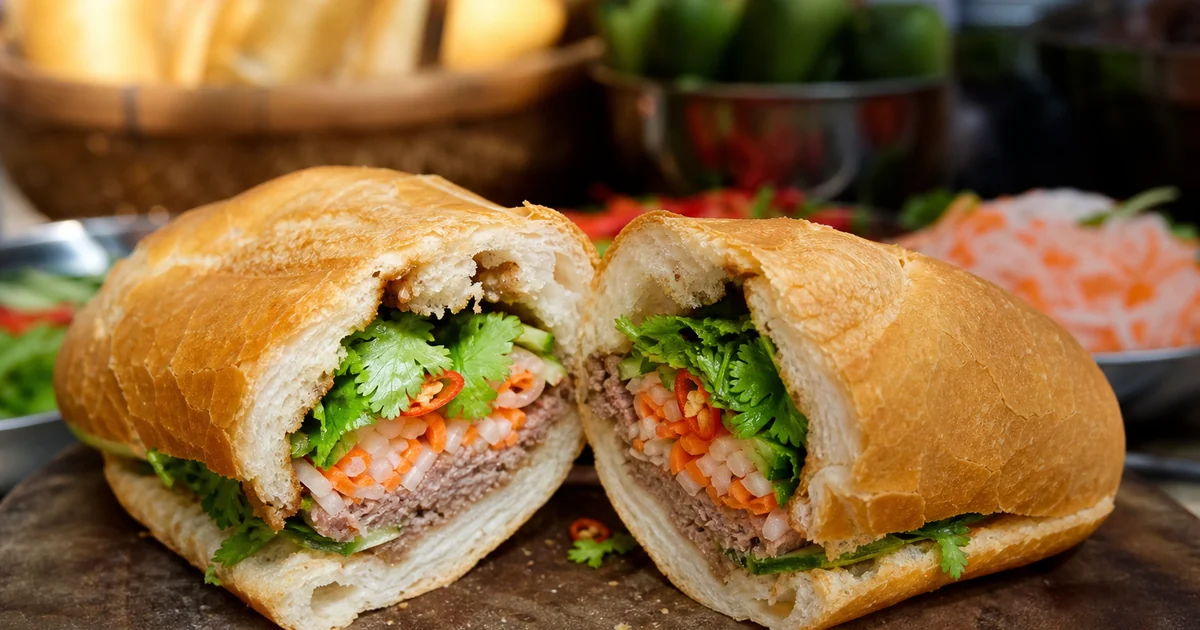
Banh mi is a Vietnamese sandwich built on a baguette, but calling it French because it uses bread misses the food itself. In Vietnamese, bánh mì can mean bread generally; in global food language it usually means a filled sandwich layered with pickles, herbs, chili, savory proteins, and seasonings [1]. The baguette is one component of a complete Vietnamese street-food system.
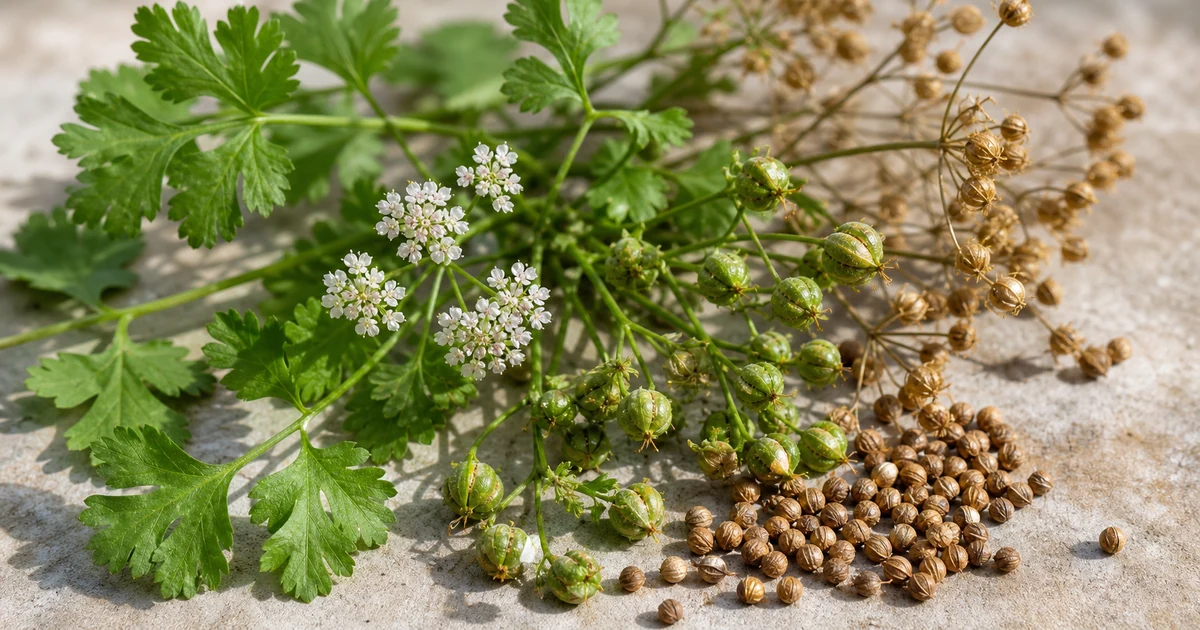
The familiar balance is deliberate: crisp crust, airy crumb, fatty filling, sharp pickles, fresh coriander, chili heat, and umami from pâté, soy-based seasoning, or fish sauce. That combination is not a colonial relic frozen in time. It is a Vietnamese answer to an imported bread format.
How Colonial Bread Reached Vietnam
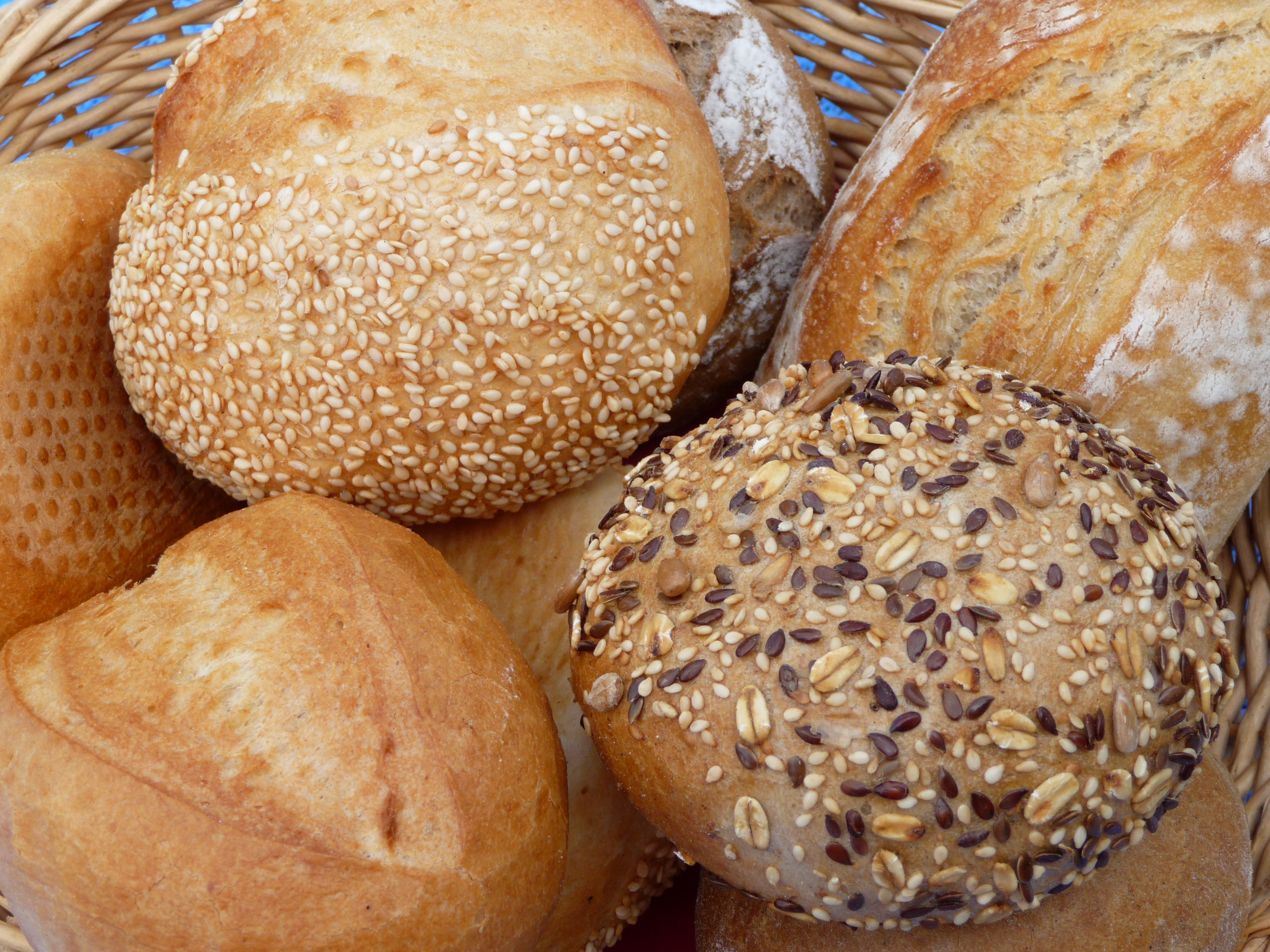
French colonial rule brought wheat bread, dairy products, pâté, and café culture to Vietnamese cities. Those foods were initially expensive and urban, tied to colonial hierarchy rather than democratic sandwich culture [2][3]. Vietnamese bakers adapted the baguette to local conditions, ingredients, and budgets.
This is not a story in which empire generously delivered a finished dish. Colonial rule used violence and extraction. Vietnamese cooks and vendors took one of its materials and made something that exceeded the original social setting.
Who Invented the Banh Mi Sandwich?
The first modern banh mi cannot be assigned securely to one inventor. Saigon is central to the twentieth-century story, and individual bakeries preserve important family histories, but the broader evidence supports gradual development rather than a single eureka moment [1][4].
Street vendors combined light local baguettes with pâté, pork, mayonnaise, pickled daikon and carrot, coriander, chili, and seasoning. Each layer made the sandwich more practical, affordable, and responsive to Vietnamese taste. The form was collective before it was global.
How Migration Made Banh Mi Global
After 1975, Vietnamese migrants opened bakeries, restaurants, and sandwich shops around the world. Banh mi became a clear example of diaspora entrepreneurship: recognizably Vietnamese while flexible enough for new cities, ingredients, and audiences.
That success should not be flattened into generic fusion. Vietnamese cooks made imported bread speak a different flavor language through pickles, coriander, chili, proteins, and service. The sandwich is Vietnamese because of that transformation, not despite its colonial ingredient history.
Historical Timeline
French colonial rule introduces European-style wheat bread and pâté into Vietnamese cities
Saigon vendors develop portable baguette sandwiches around Vietnamese ingredients and tastes
Vietnamese diaspora spreads banh mi shops across North America, Europe, and Australia
Banh mi becomes globally recognized while regional Vietnamese forms remain diverse
Evidence Explorer
Review the Source Trail
Inspect the article sources, scoped review credits, and copyable citation details without leaving the page.
Sources Listed
Comments
Community comments are coming soon. Check back later to join the discussion!