💡 Key Takeaways
- Pickles are vegetables, usually cucumbers, preserved in brine or vinegar, a practice at least 4,000 years old and documented in Mesopotamian sources around 2030 BCE.
- There are two main pickle traditions: fermented pickles cured in salt brine by lactic acid bacteria, and vinegar pickles preserved in acetic acid; both solve the problem of keeping vegetables beyond harvest.
- The 2026 pickle boom, driven by TikTok taste tests and gut-health interest in fermented foods, turned an ancient preservation method into a viral flavor and snack category.
Where did pickles originate?
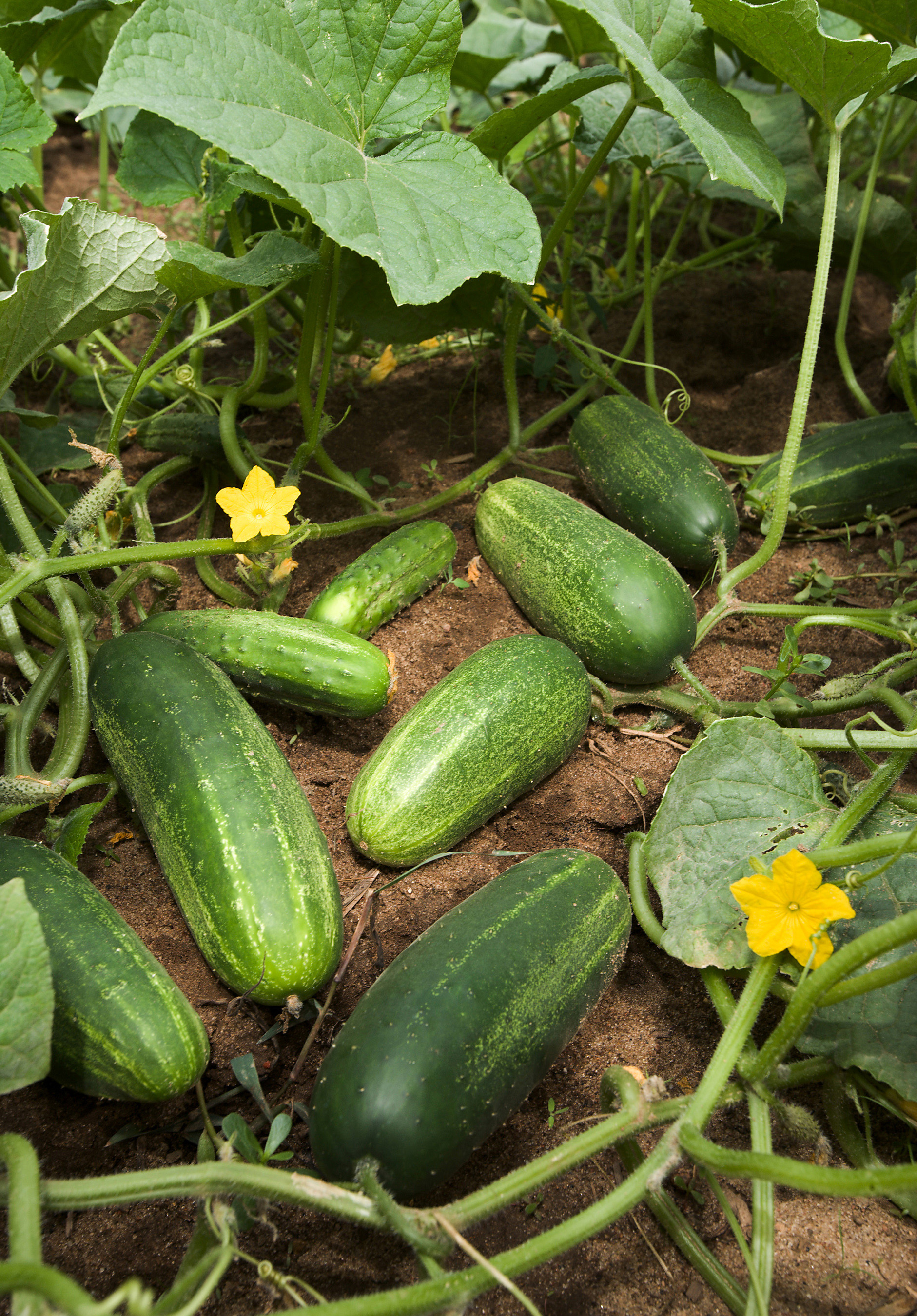
Pickles are vegetables, usually cucumbers, preserved in salt brine or vinegar. The practice is ancient: food historians commonly cite Mesopotamian cucumber pickling in the Tigris Valley around 2030 BCE as the earliest documented evidence [3][6]. The logic behind pickling is preservation. Fresh vegetables spoil quickly, but brine and acid suppress harmful microbes while allowing desirable souring, which is why pickling appeared independently in many food cultures [4][5].
Pickling mattered because it stretched harvests across seasons, made vegetables safer to keep, and created new sour flavors that became central to sandwiches, stews, and snacks.
Brine Versus Vinegar
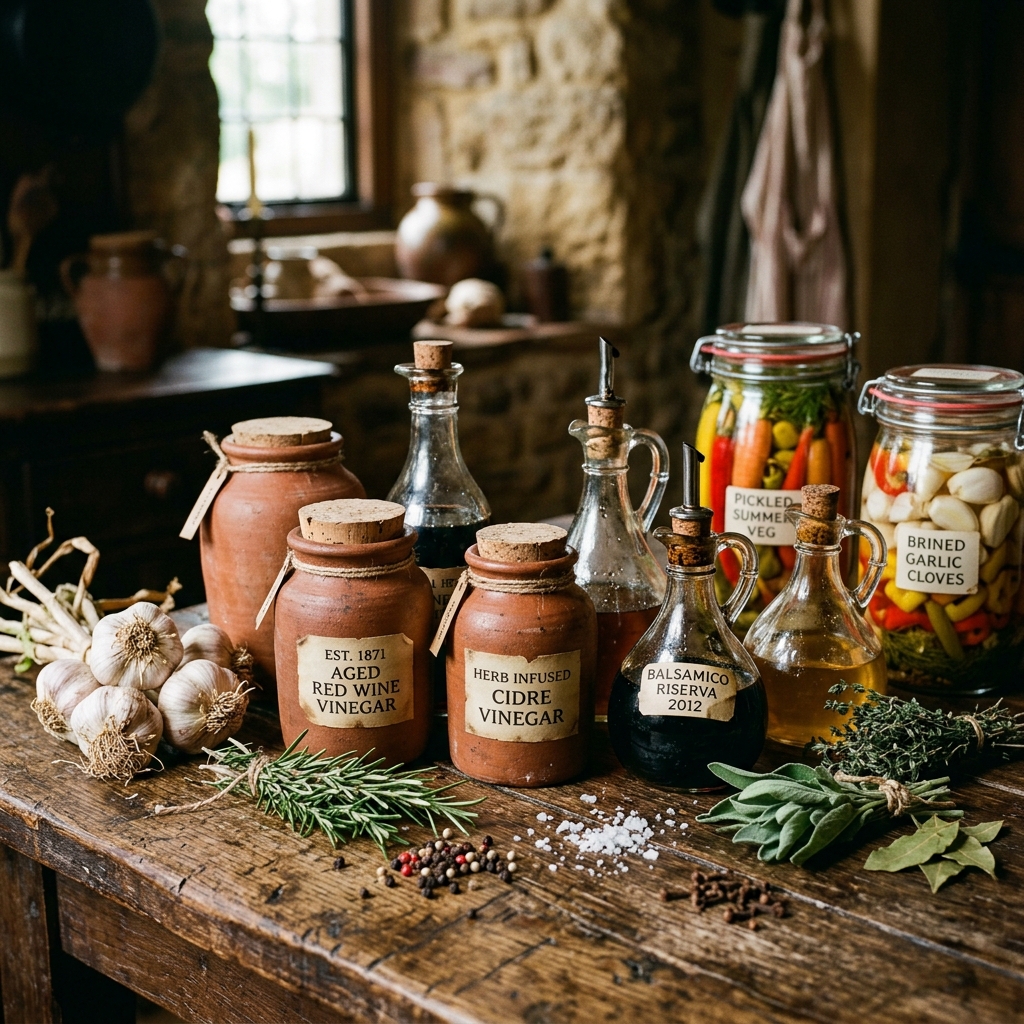
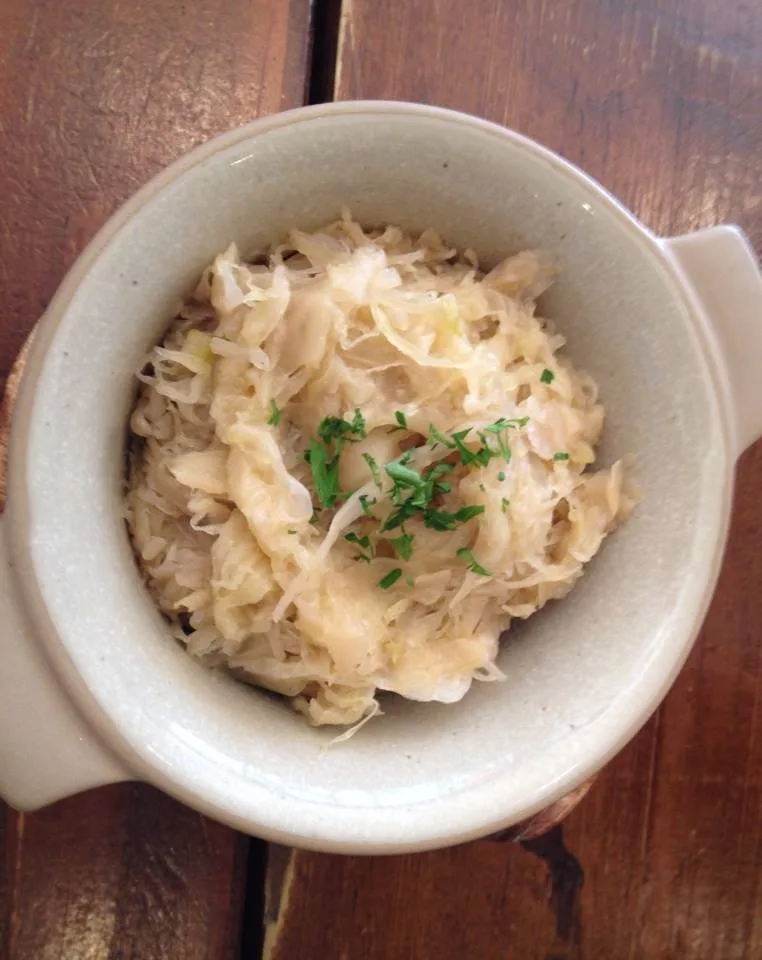
There are two main pickle traditions, and the difference matters for food history. Fermented pickles are cured in salt brine, where lactic acid bacteria convert sugars into lactic acid, souring and preserving the vegetable naturally [4][5]. These are the old, living pickles: kosher dill, sauerkraut, kimchi, and many Asian fermented vegetables.
Vinegar pickles use acetic acid from vinegar to preserve vegetables quickly without live fermentation. Industrial canning made vinegar pickles dominant on supermarket shelves because they are shelf-stable and fast. Both solve the same preservation problem, but they carry different histories: brine pickles belong to fermentation and gut-health culture; vinegar pickles belong to industrial preservation and deli culture.
Jewish Delis, Kosher Dill, and Global Pickle Traditions
Pickles became cultural identity foods in many communities. Eastern European Jewish immigrants brought kosher dill pickles to New York delis, where half-sour and full-sour fermented cucumbers with garlic and dill became a defining side for pastrami and corned beef sandwiches [6]. East Asian traditions produced kimchi in Korea, sauerkraut and fermented cabbage in Central Europe, pickled radish and plum in Japan and China, and garum-style fermented sauces in the ancient Mediterranean.
The shared thread is preservation plus identity. A pickle jar could mark a household’s region, religion, and cooking tradition while keeping vegetables edible far beyond harvest.
The 2026 Pickle Boom
By 2026, pickles had moved from deli side to viral center. USA Today Network coverage described a national pickle craze driven by social media taste tests, spicy pickle snacks, chamoy-covered pickles, pickle-flavored nuts, chips, and even briny beverages [1]. BBC Food reported a parallel UK pickle boom tied to fermented foods, Korean cuisine, and gut-health interest [2].
A source-led food-history page should keep the boom in proportion. The pickle trend is not a new invention; it is a 4,000-year-old preservation method getting a new algorithmic audience. Its staying power comes from sour, salty, crunchy flavors that fit both nostalgia and the modern appetite for bold, fermented tastes.
How Pickles Are Used Today
Today pickles appear as deli dill spears, bread-and-butters, gherkins, spicy pickles, kimchi, sauerkraut, pickled onions, pickled jalapeños, pickle-flavored snacks, and brine-forward cocktails. Fermented pickles sit beside vinegar pickles on shelves, and TikTok has turned pickle taste tests, loaded pickles, and freeze-dried pickle bites into viral formats [1].
For The Foods That Shaped Us, pickles link vinegar, cucumber, sauerkraut, kimchi, garum, and salt. They are one of the oldest food technologies still trending, and a strong bridge between the site’s fermentation, preservation, and modern-snack clusters.
In the news
Recent 2026 food-culture notes that reference this article.
Historical Timeline
Mesopotamian sources document cucumber pickling in the Tigris Valley, often cited as the earliest evidence of pickling
Pickling spreads through Egypt, Greece, Rome, India, and China using salt brine, vinegar, oil, and fermentation
Jewish, Eastern European, and East Asian communities develop distinctive pickle traditions, including kosher dill and fermented cabbage
Industrial vinegar pickling, jar sealing, and deli culture make pickles a mass snack and sandwich side in the United States and Europe
Fermented pickles gain new attention through gut-health research and artisanal fermentation
TikTok taste tests, spicy pickle snacks, and pickle-flavored products drive a widely covered pickle boom
Evidence Explorer
Review the Source Trail
Inspect the article sources, scoped review credits, and copyable citation details without leaving the page.
Sources Listed
Comments
Community comments are coming soon. Check back later to join the discussion!