💡 Key Takeaways
- Chinese black vinegar is fermented from grain and should not be treated as balsamic vinegar or soy sauce.
- Zhenjiang, historically romanized Chinkiang, is a famous Jiangsu style but not the only Chinese dark vinegar.
- Grain choice, fermentation, maturation, and producer method shape color and flavor.
- Its history belongs to regional Chinese cooking rather than a generic social-media pantry hack.
What Is Chinese Black Vinegar?
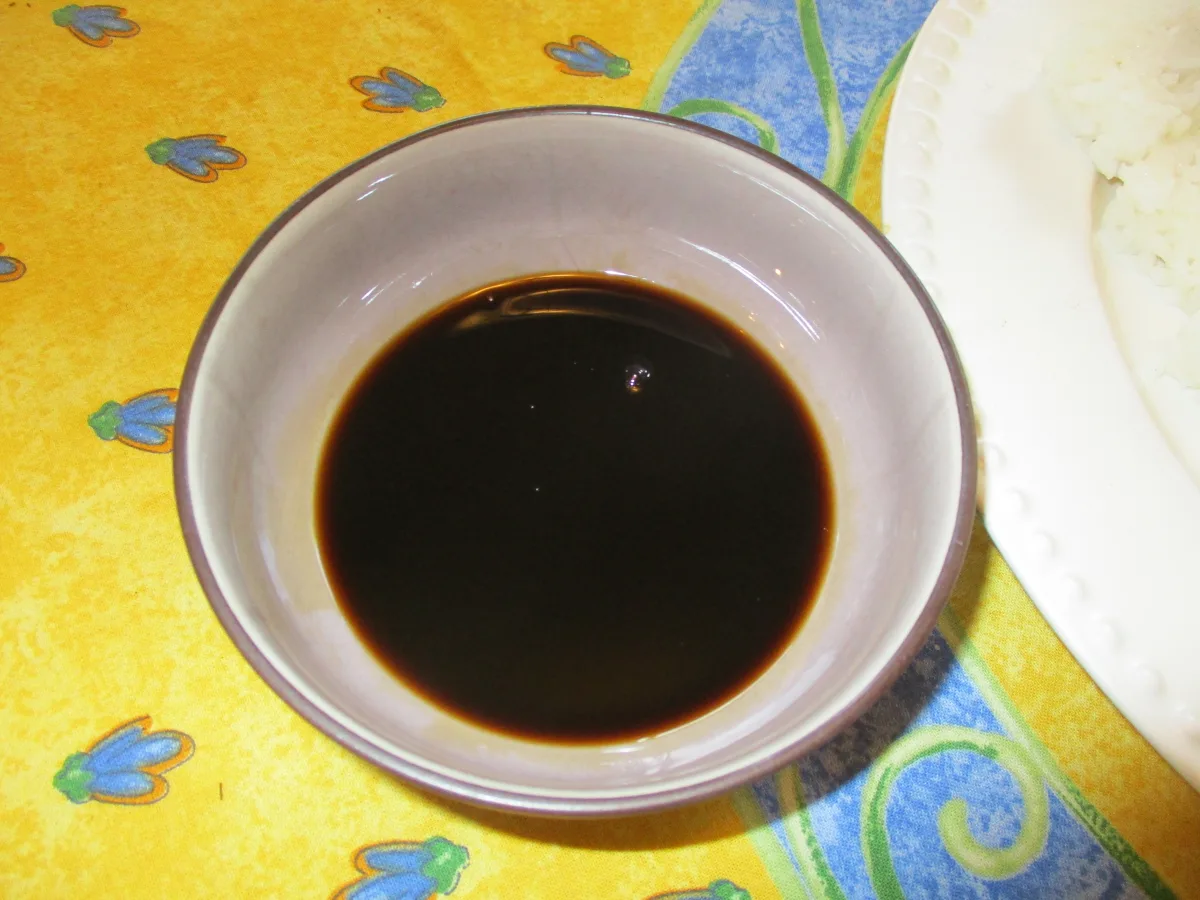
Chinese black vinegar is a broad category of dark fermented grain vinegar. It can be made from rice, glutinous rice, wheat, millet, or combinations of grains, then matured or blended according to regional practice. It is not soy sauce, and it is not simply an Asian version of Italian balsamic vinegar [1][2].
Zhenjiang vinegar, also written Chinkiang in older English romanization, is one famous style from Jiangsu. It is dark, malty, lightly sweet, and aromatic. Other Chinese black vinegars can taste substantially different, so regional name and producer matter more than color alone.
How Grain Becomes Vinegar
Vinegar requires more than souring. Grain starch must first become fermentable sugar, yeasts then create alcohol, and acetic-acid bacteria convert that alcohol in the presence of oxygen. Starter cultures, vessels, temperature, aging, and grain choice all affect the result [3][4].
This process connects black vinegar to China’s wider history of fermented grain wines, sauces, and pastes. It also explains why two dark bottles can behave differently in a dish even if both are labeled black vinegar.
How Old Is Zhenjiang Vinegar?
Chinese vinegar traditions are ancient, but one ancient date should not be attached automatically to every modern regional brand. Zhenjiang developed a durable reputation through Jiangsu production, merchant networks, and commercial standardization over time [1][3].
Origin stories sometimes compress thousands of years of Chinese fermentation into one named bottle. Responsible history keeps the levels separate: ancient grain-vinegar technology, later regional specialization, and modern protected or branded products.
Black Vinegar at the Table
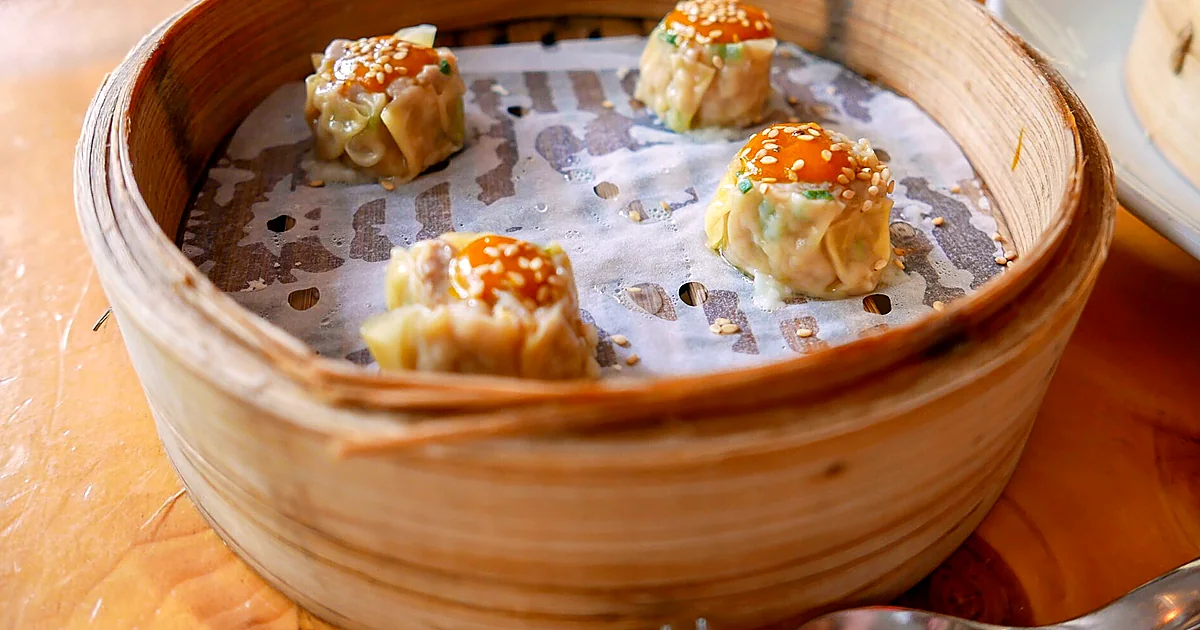
Black vinegar appears in dumpling dips, noodle sauces, braises, soups, and cold dishes. In a dip it may meet ginger, chili, sesame, and soy sauce; in a braise it brings acidity and malt depth without needing to dominate.
The best question is not what Western vinegar can replace it. It is what the ingredient does in the dishes and regions that made it valuable. Through vinegar, rice, and grain fermentation, black vinegar offers a history of acidity built from cereals rather than grapes.
Historical Timeline
Fermented grain seasonings and vinegars enter documented Chinese food systems
Regional vinegar styles develop alongside rice, wheat, millet, and brewing cultures
Zhenjiang vinegar becomes a recognized commercial and culinary reference beyond Jiangsu
Global pantry interest introduces dark Chinese vinegar to new home cooks and restaurants
Evidence Explorer
Review the Source Trail
Inspect the article sources, scoped review credits, and copyable citation details without leaving the page.
Sources Listed
Comments
Community comments are coming soon. Check back later to join the discussion!