💡 Key Takeaways
- Barbacoa is the original source of the English word "barbecue" — borrowed from the Taíno (Caribbean) word for a wooden grid used to cook meat over a pit.
- In Mexico, barbacoa means meat (lamb, beef, goat, or head) slow-cooked overnight in a pit lined with maguey (agave) leaves — a fusion of the Caribbean technique with Mexican ingredients.
- The 2026 taco wave treats barbacoa as one of the canonical taco fillings (alongside carne asada, al pastor, carnitas) and has spread it well beyond its central-Mexican heartland.
What Is Barbacoa?
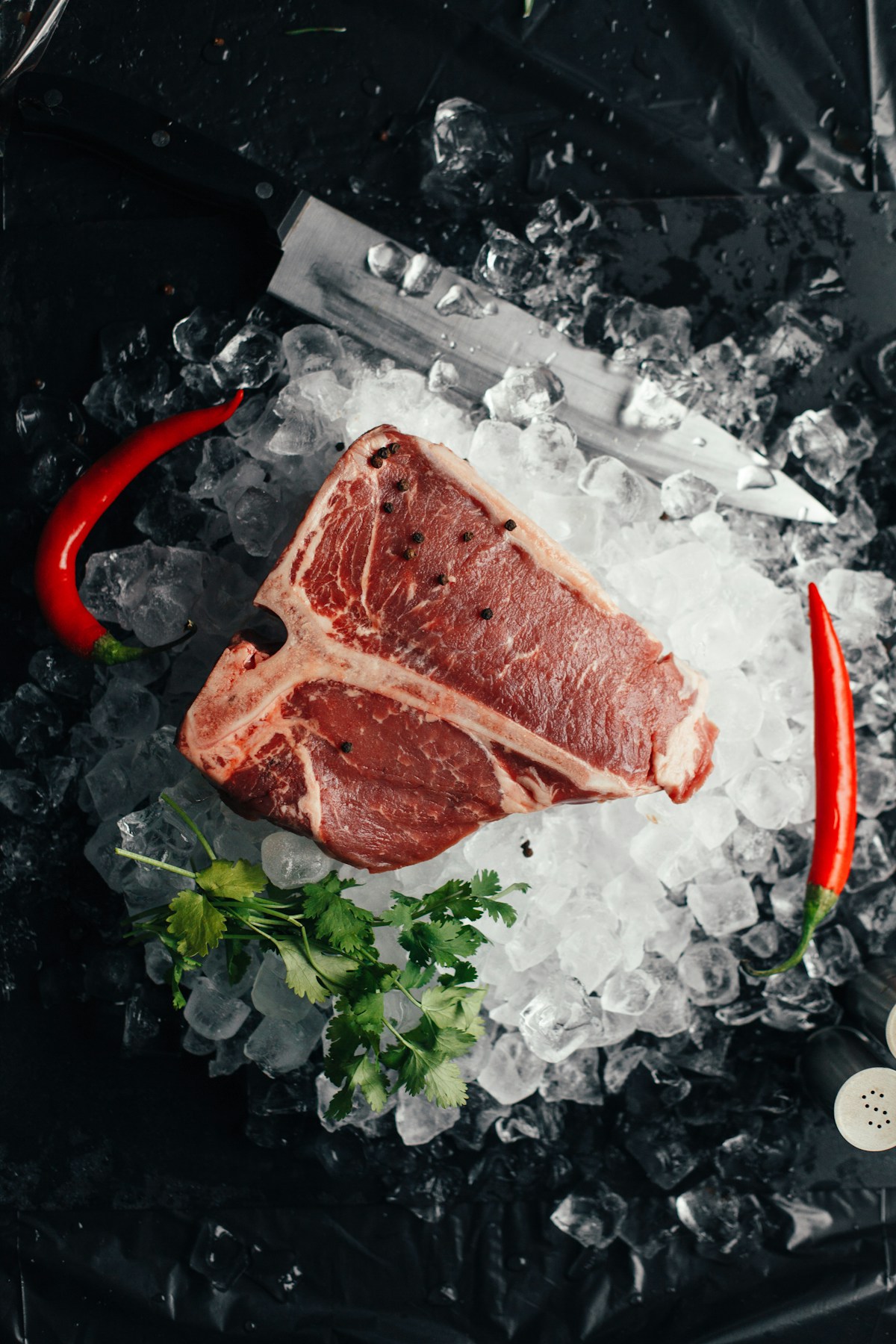
Barbacoa means two related things [1][3]. In its Caribbean origin, it was a wooden grid (*barbacoa*) used by the Taíno to cook meat and fish over a pit of coals. In modern Mexico, it means meat — usually lamb, beef, goat, or beef head — slow-cooked overnight in a pit lined with maguey (agave) leaves, until fall-apart tender and served with the rich consomé collected at the bottom.
The thread connecting them is the slow pit technique. Both the original Caribbean barbacoa and the Mexican pit-barbacoa are low-and-slow underground cooks, quite different from the open-grill "barbecue" of modern American backyards — which is itself a more recent reinterpretation of the word.
The Caribbean Origin and the Word "Barbecue"
The English word "barbecue" comes directly from the Taíno word *barbacoa* [2][5]. The Taíno, the indigenous people of the Caribbean (including Hispaniola, Cuba, and Puerto Rico), cooked meat and fish on a wooden frame over a pit of hot coals, and Spanish colonizers in the 16th century recorded both the technique and the word. From Spanish the word entered English as "barbecue," initially meaning the technique itself and only later the broader cooking category.
So every American backyard "barbecue" is a distant linguistic descendant of a Caribbean indigenous cooking frame. The food-history thread runs from a Taíno pit through 16th-century Spanish records through English and into the present.
The Mexican Pit Tradition
In Mexico, the barbacoa technique fused with local ingredients to produce something distinctive [3][6]. Meat — most famously lamb in the state of Hidalgo, or beef head in northern and central Mexico — is wrapped in maguey (agave) leaves and slow-cooked overnight in an underground pit lined with stones and heated with wood or charcoal. The agave leaves steam-flavor the meat, and the juices collected at the bottom become the rich consomé served alongside.
This is a slow, communal, overnight cook — historically a Sunday or celebration dish. Barbacoa de cabeza (beef head) is one of the most traditional forms: the whole head slow-pit-cooked until the meat is fall-apart tender and gelatinous. Both the lamb and the head versions are canonical taco fillings in Mexico.
Barbacoa and the 2026 Taco Wave
By 2026, barbacoa has joined carne asada, al pastor, and carnitas as a default Mexican taco filling on global menus [6]. Most restaurant barbacoa outside Mexico is now made in steam kettles or ovens rather than in an authentic pit, with beef cheek or beef shoulder substituting for the traditional lamb or whole head — a practical compromise that keeps the flavor profile but loses the underground-cook layer.
For The Foods That Shaped Us, barbacoa links beef, chili pepper, lime, carne asada, and avocado — a cluster of pre-Hispanic and post-conquest Mexican ingredients. The honest history is a Taíno Caribbean pit, a 16th-century Spanish-borrowed word, a Mexican maguey-pit tradition, and a 2026 global taco filling — five centuries of one slow cooking technique, increasingly untethered from the pit that gave it its name.
Historical Timeline
Taíno people cook meat and fish on a wooden grid (*barbacoa*) over a pit of coals — the original technique behind the word.
Spanish colonizers record the *barbacoa* technique in the Caribbean; the word enters Spanish and then English as "barbecue."
The barbacoa technique fuses with Mexican ingredients — agave/maguey leaves, chili, lamb and beef — producing Mexican barbacoa as a pit-cooked meat tradition.
Mexican barbacoa (especially Hidalgo-style lamb barbacoa and barbacoa de cabeza) becomes a Sunday and celebration dish.
Barbacoa becomes a default taco filling worldwide alongside carne asada, al pastor, and carnitas.
Evidence Explorer
Review the Source Trail
Inspect the article sources, scoped review credits, and copyable citation details without leaving the page.
Sources Listed
Comments
Community comments are coming soon. Check back later to join the discussion!