💡 Key Takeaways
- Mochi ice cream is a small ball of ice cream wrapped in a thin layer of chewy mochi (pounded glutinous rice dough), dusted with starch to prevent sticking.
- The format is a modern fusion: mochi itself is centuries-old Japanese, but mochi *ice cream* was invented in the 1980s by Japanese-American dessert makers in Los Angeles.
- The 2026 Asian-dessert wave treats mochi ice cream as a default format, with flavors like matcha, ube, black sesame, and pistachio signaling the broader visual-flavor movement.
What Is Mochi Ice Cream?
Mochi ice cream is a small, bite-sized ball of ice cream wrapped in a thin layer of mochi — pounded glutinous rice dough — dusted with cornstarch or potato starch to stop it sticking [1][3]. The eating experience is the contrast: cold, smooth ice cream against chewy, slightly sweet mochi. The whole thing is one or two bites.
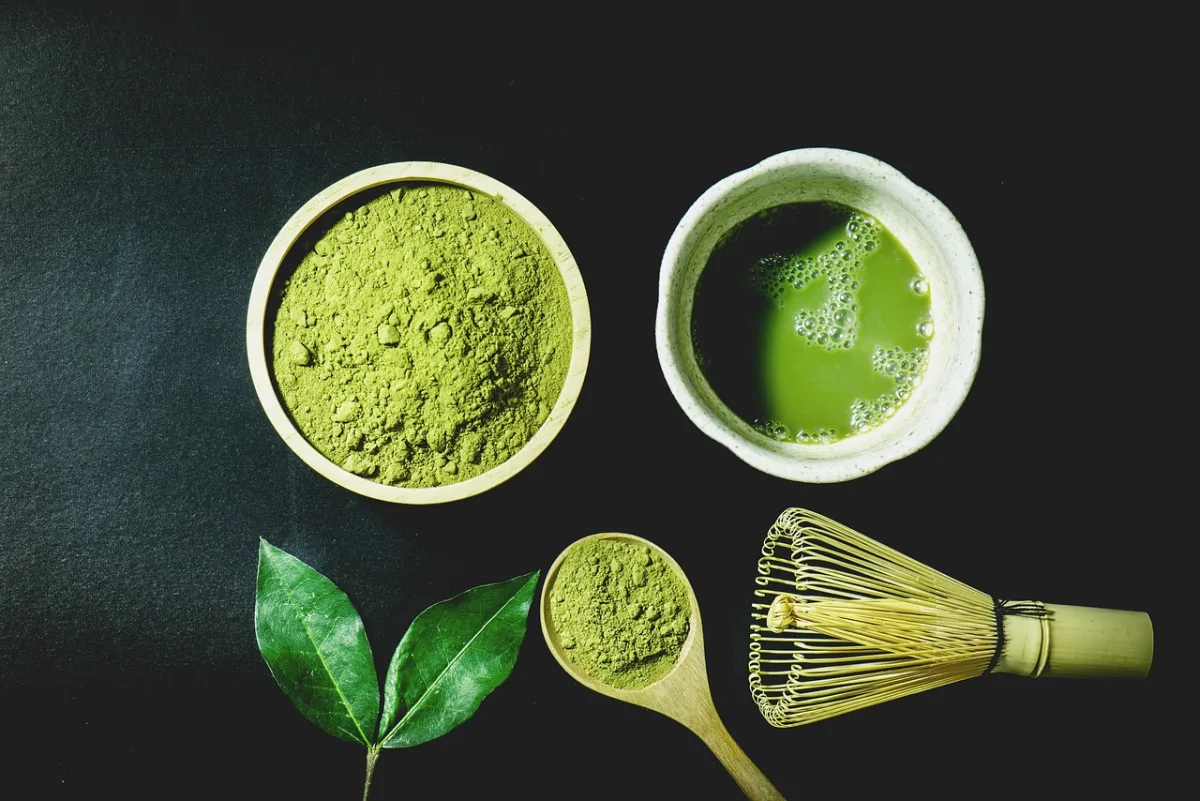
The flavors now extend well beyond vanilla. Matcha, ube, black sesame, strawberry, chocolate, mango, and pistachio mochi ice creams are common, and the colors — green, purple, black, pink — are a big part of why the format photographs so well.
The Mochi Tradition
Mochi itself is one of the oldest Japanese foods. Made by pounding steamed glutinous rice until it forms a smooth, chewy paste, mochi has been a Japanese ceremonial and everyday food for over a thousand years [1][5]. It is eaten at New Year (kagami mochi), in sweets (daifuku — mochi wrapped around sweet red bean paste), in savory soups (ozoni), and as grilled snacks.
So the mochi in mochi ice cream is genuinely old. What is new is the ice cream filling and the bite-sized ball format. Traditional Japanese sweets use daifuku (mochi around sweet red bean paste), not ice cream; mochi ice cream is a Japanese-American fusion of mochi with Western ice cream [6].
The 1980s Los Angeles Invention
Mochi ice cream is widely credited to Mikawaya, a Japanese-American confectioner in Los Angeles's Little Tokyo, in the 1980s [6]. Joel Feldmann, a Mikawaya pastry chef, is often named as the developer. The product launched commercially in the 1990s and spread first through Japanese-American and Asian-American communities, then into Asian grocers and mainstream supermarkets.
That origin matters for the food history. Mochi ice cream is not a centuries-old Japanese dessert; it is a 1980s Japanese-American invention that fused two food traditions. The same is true of many "Asian" dishes that globalized via the Asian diaspora in North America — the migration is part of the story, not a corruption of it.
Mochi Ice Cream and the 2026 Asian-Dessert Wave
By 2026, mochi ice cream is a default Asian-dessert format, on restaurant dessert menus, in supermarket freezer aisles, and across social food video [3]. It rides the same visual-flavor wave as ube, pandan, and matcha — the green, purple, and black mochi ice creams are some of the most photographed desserts of the decade.
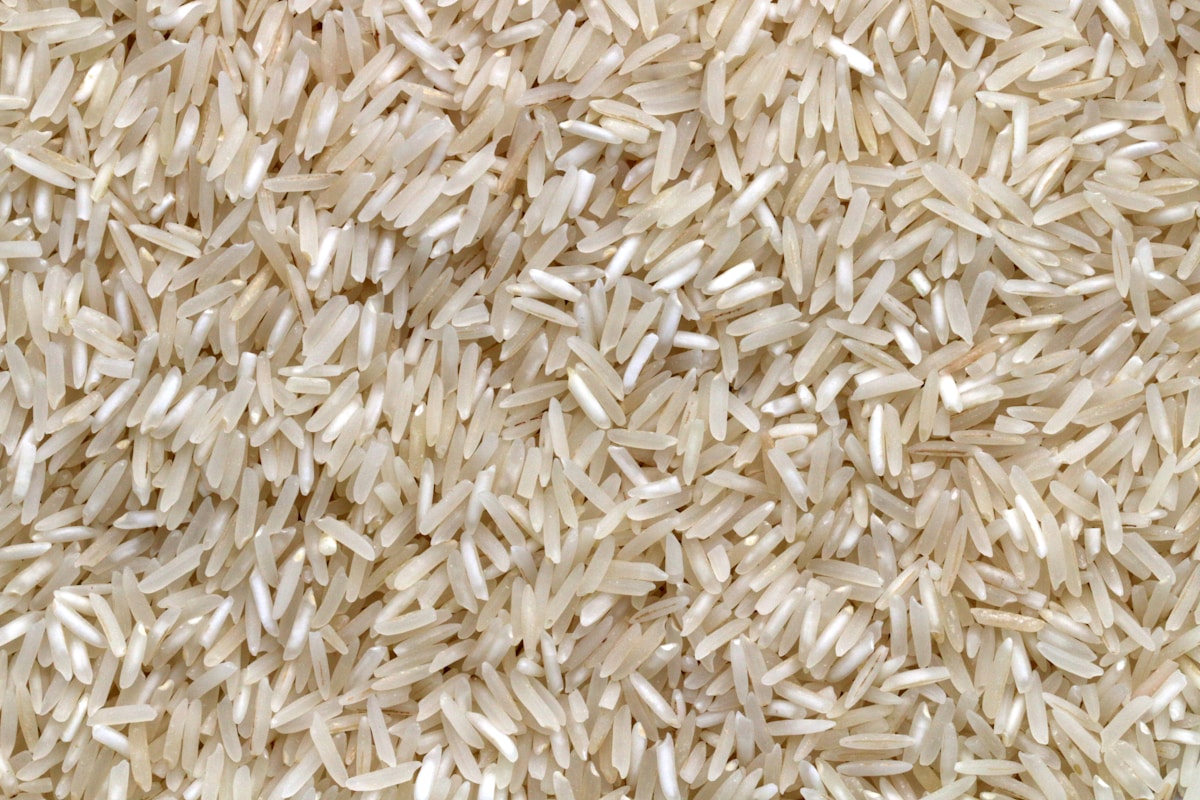
For The Foods That Shaped Us, mochi ice cream links rice, matcha, ube, pandan, and taiyaki — a cluster of Japanese, Filipino, and Southeast Asian dessert traditions that together anchor the 2026 Asian-dessert wave. The honest history is a 1,000-year-old Japanese rice dough, a 1980s Los Angeles fusion, and a 2026 global freezer staple — the same chewy wrapper, increasingly filled with flavors from across the Asian dessert world.
Historical Timeline
Mochi — pounded glutinous rice dough — is a ceremonial and everyday Japanese food for over a millennium.
Mochi spreads globally through the Japanese diaspora; Japanese-American dessert makers begin experimenting with mochi and Western sweets.
Mikawaya, a Los Angeles Japanese-American confectioner, develops mochi ice cream — ice cream wrapped in mochi — as a commercial product.
Mochi ice cream spreads through US Asian grocers, then into mainstream supermarkets and global dessert menus.
Mochi ice cream becomes a default Asian-dessert format, with matcha, ube, black sesame, and pistachio flavors signaling the visual-flavor wave.
Evidence Explorer
Review the Source Trail
Inspect the article sources, scoped review credits, and copyable citation details without leaving the page.
Sources Listed
Comments
Community comments are coming soon. Check back later to join the discussion!