The Barbacoa Fusion
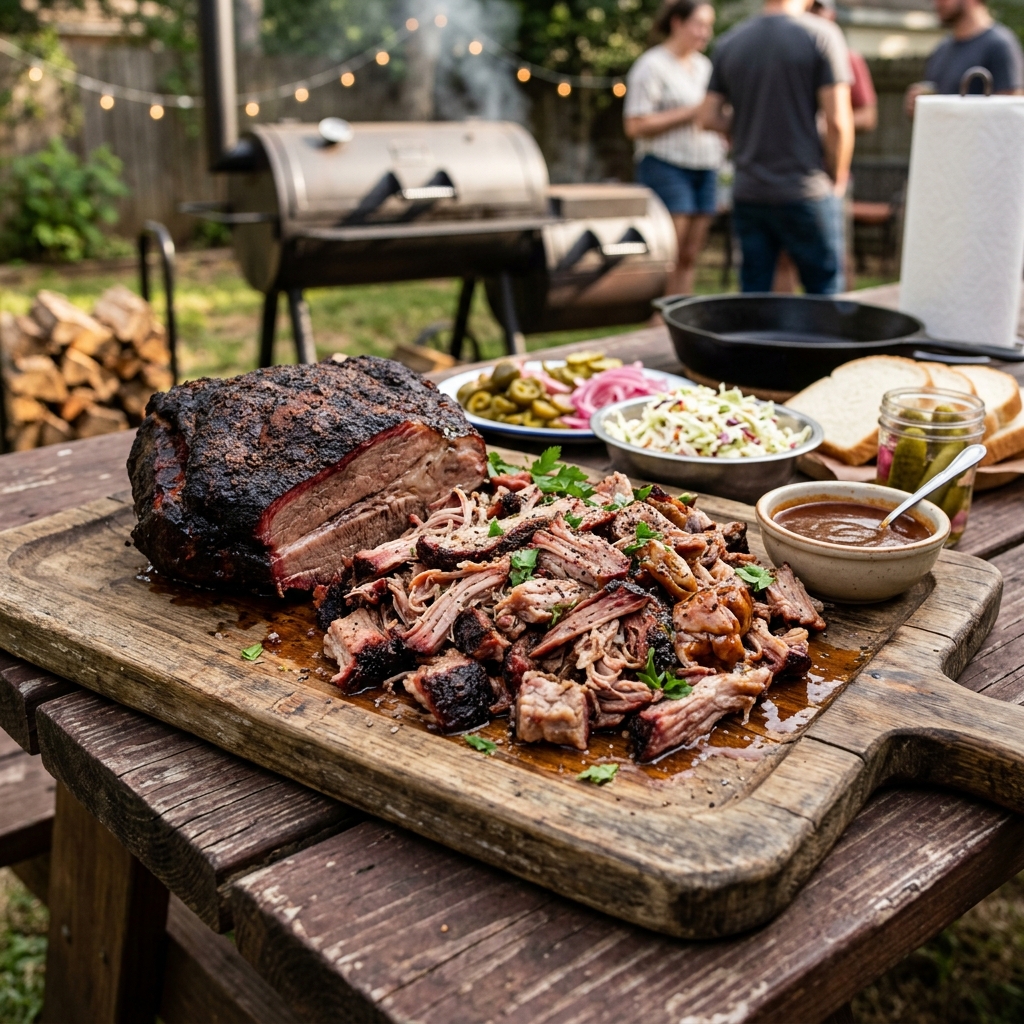
American barbecue was born from a biological and cultural collision in the 17th-century Caribbean. Spanish explorers observed the Taino people roasting game over raised wooden platforms built from green wood, a structure they called a barbacoa. When European colonizers established plantation networks in the American South, they imported pigs and enslaved West African laborers. Enslaved cooks merged the Indigenous Caribbean smoking method with their own ancestral West African techniques of hot-pepper seasoning and smoke-preservation. This fusion created the first recognizable forms of American barbecue: slow-roasted whole hogs basted in vinegar-and-cayenne marinades.
The Enslaved Pitmasters of the South
As barbecue moved from a survival tactic to a plantation social event, it became a highly specialized form of labor. Plantation owners organized massive outdoor feasts to demonstrate wealth and political influence, but the actual work was entirely forced upon enslaved pitmasters. Barbecuing required digging deep trenches by hand, chopping hardwoods like hickory and oak, maintaining a consistent smoldering heat for 18 to 24 hours, and constantly basting the meat. These pitmasters developed highly sophisticated understandings of wood smoke, heat management, and meat chemistry, becoming the true culinary engineers of Southern cuisine.
The Stolen Legacy and Commercialization
Despite enslaved pitmasters building the entire culinary foundation of barbecue, their contribution was systematically erased from public memory. In the 19th and early 20th centuries, white-owned businesses and southern cultural histories began branding barbecue as a white, frontier, and cowboy tradition. However, newly freed pitmasters who migrated north and west carried their skills with them. They opened the first commercial barbecue shacks in Kansas City, Chicago, Memphis, and Texas, establishing the famous regional styles we celebrate today.
Historical Timeline
Spanish explorers observe Caribbean Taino roasting meat over raised green-wood grates (barbacoa).
Enslaved West African cooks combine smoke-preservation, vinegar, and hot pepper techniques.
Plantation pitmasters refine slow pit-smoking in deep trenches, creating the foundation of Southern barbecue.
Newly freed pitmasters open the first commercial barbecue stands in Kansas City, Memphis, and Texas.
Evidence Explorer
Review the Source Trail
Inspect the article sources, scoped review credits, and copyable citation details without leaving the page.
Sources Listed
Comments
Community comments are coming soon. Check back later to join the discussion!