💡 Key Takeaways
- Coconut sugar is generally cooked from coconut-palm flower sap rather than coconut meat.
- It belongs to a larger family of palm sugars with regional names, sources, and textures.
- Its caramel-like flavor matters in Southeast Asian sweets and sauces, but it remains an added sugar.
- Modern export marketing often removes coconut sugar from the food cultures that developed it.
What Is Coconut Sugar?
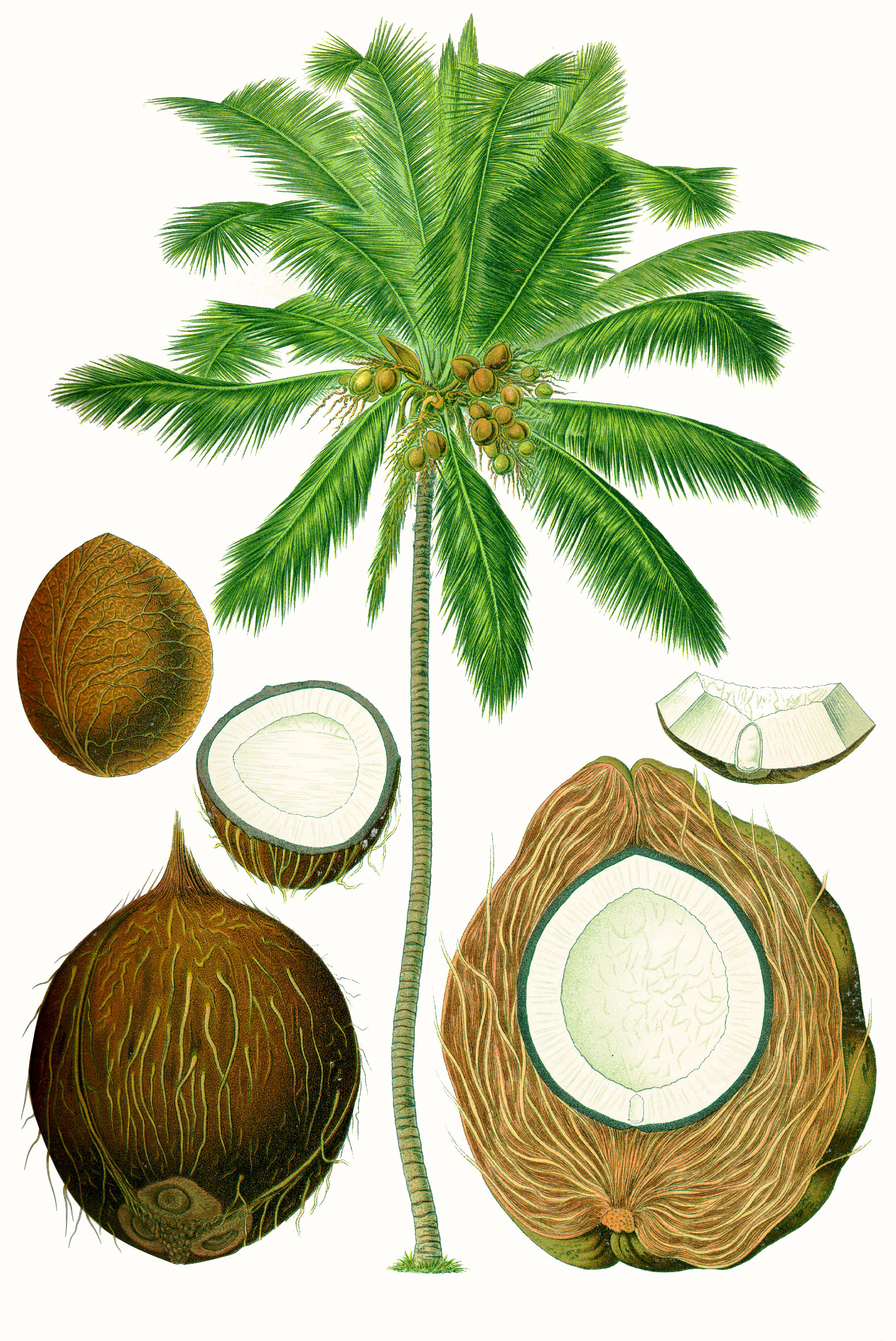
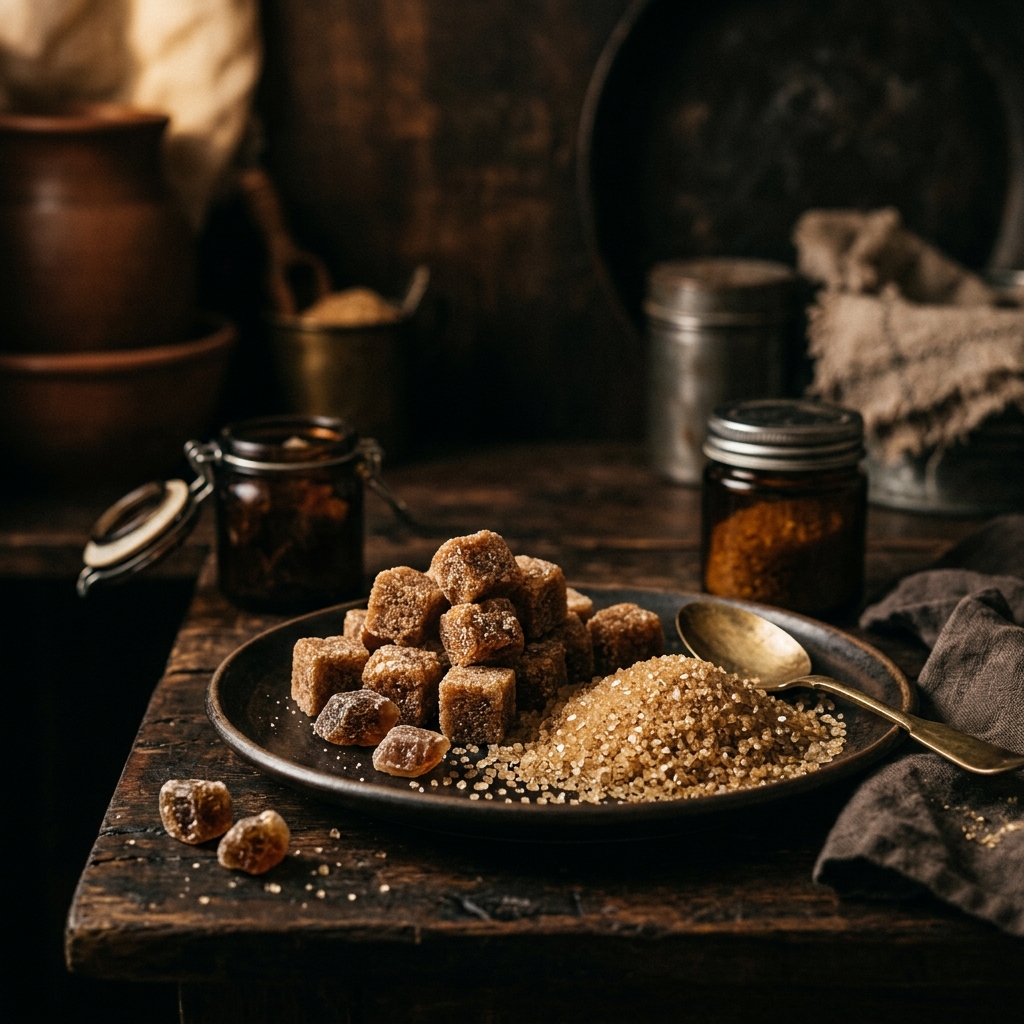
Coconut sugar is usually made by collecting sap from coconut-palm flower stalks and heating it until water evaporates. The result can be syrup, soft paste, a hard block, or loose brown crystals. It is not produced by grinding coconut flesh, and it is not a separate nutritional category from other sugars [1][3].
That distinction matters because global packaging often makes coconut sugar look newly discovered. In many Southeast Asian kitchens, palm sugars have long been ordinary seasonings chosen for flavor, availability, and texture rather than for wellness branding.
Palm Sugar Is a Family, Not One Product
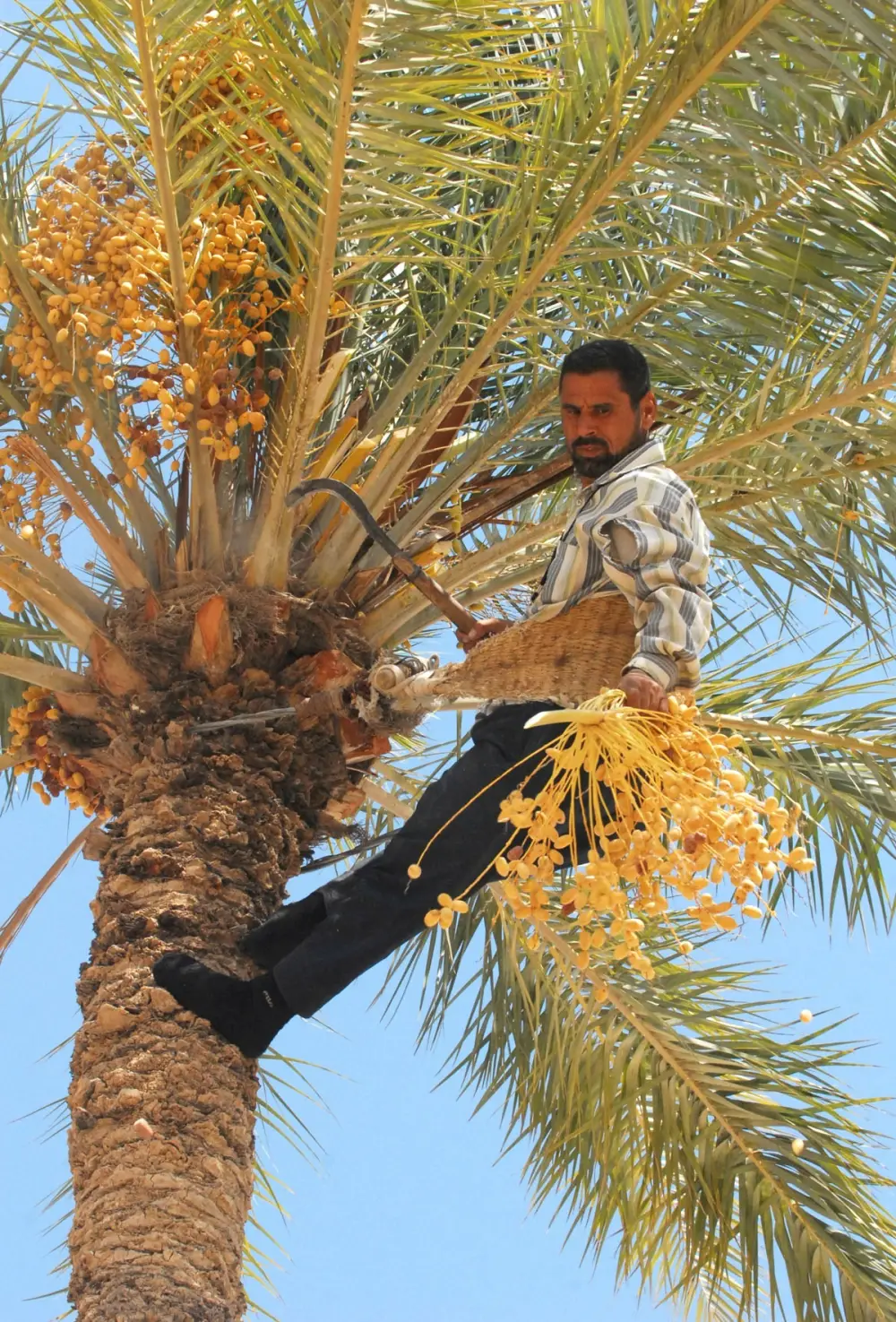
Coconut is only one palm tapped for sweet sap. Palmyra, nipa, date, and other palms supply regional sugars, each with different names and processing traditions [1][2]. Indonesian gula jawa, Thai nam tan maprao, Filipino panutsa, and South Asian jaggery categories cannot be collapsed safely into one standardized jar.
The source palm, season, heating, and final moisture all change the result. Some sugars are smoky and dark, others light and floral; some dissolve into curry, while others are shaved over sweets or melted into sauces.
How Cane Sugar Changed the Market
Colonial cane plantations made refined sugar a major export commodity, supported by coercive labor and industrial refining. Palm-sap sugars often remained more local because sap spoils quickly and requires immediate skilled processing. Their persistence was not technological backwardness but a different production ecology.
Household and village production kept palm sugar embedded in regional food despite the power of cane. That continuity is one reason coconut sugar could later be marketed abroad as both traditional and premium.
Traditional Ingredient, Modern Wellness Label
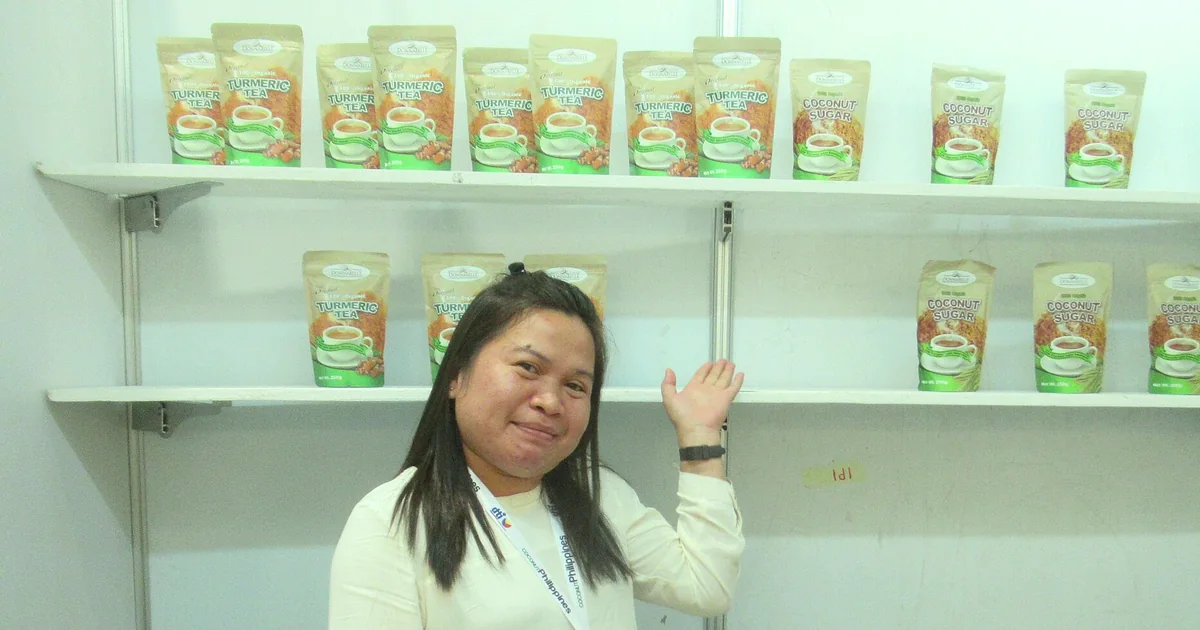
International retailers now position coconut sugar beside agave nectar, date syrup, honey, and maple syrup. The named plant and brown color can imply less processing or superior health, but those impressions should not be substituted for careful nutrition evidence.
The defensible value is culinary and historical. Coconut sugar offers caramel depth and connects modern consumers to sap-tapping knowledge, coconut landscapes, and Southeast Asian food systems. It does not need a miracle claim to be interesting.
Historical Timeline
Coconut palms support food, oil, fiber, drink, and sap sweeteners in regional economies
Cane-sugar plantations reshape markets without ending household palm-sugar production
Molded, syrupy, and granulated palm sugars remain everyday regional ingredients
Coconut sugar enters international natural-food and alternative-sweetener retail
Evidence Explorer
Review the Source Trail
Inspect the article sources, scoped review credits, and copyable citation details without leaving the page.
Sources Listed
Comments
Community comments are coming soon. Check back later to join the discussion!