💡 Key Takeaways
- Chunjang is a Korean fermented paste adapted from Chinese soybean-and-wheat sauce traditions.
- Its modern black color is often strengthened with caramel coloring.
- It became culturally central through Korean Chinese restaurants and jajangmyeon.
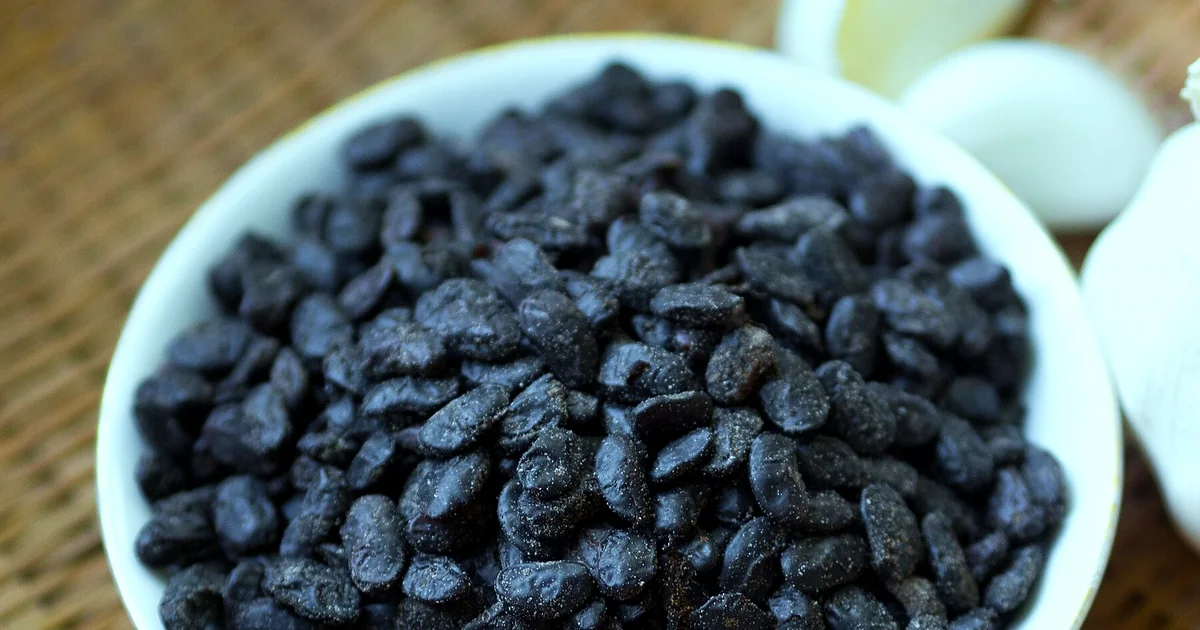
- Chunjang is not the same as douchi or generic black beans.
What Is Chunjang?
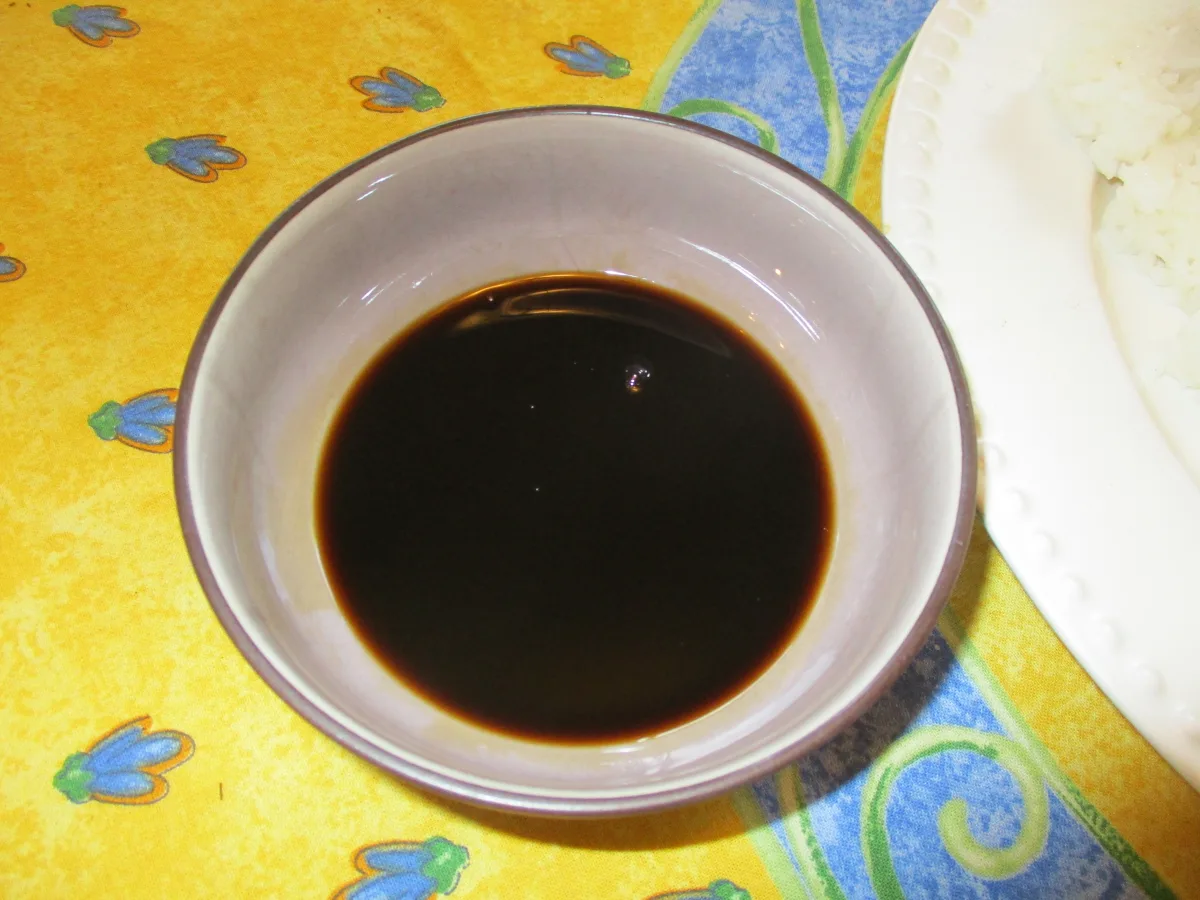
Chunjang is a thick, dark Korean paste used most famously for jajangmyeon. It is made from fermented soybeans and wheat or flour, then commonly darkened and sweetened in modern manufacture. Cooks usually fry the paste in oil before combining it with meat, onions, vegetables, and liquid [1][4].
The English phrase black bean paste can mislead. Chunjang is not a mashed paste of ordinary black beans and is not interchangeable with Chinese douchi.
From Zhajiang to Korean Chunjang
The history begins with Chinese migration to Korea, especially around the port of Incheon in the late nineteenth century. Chinese noodle sauces based on fermented paste entered restaurant culture and were adapted to Korean ingredients and customers [2].
The Korean name and product changed as cooks made the sauce darker, milder, and sweeter. That adaptation produced a new culinary identity rather than a failed copy.
Why the Paste Became Black
Traditional Chinese zhajiang is not always jet black. Modern chunjang's color often comes partly from caramel coloring and industrial formulation. The visual difference helped establish a recognizable Korean restaurant sauce [3].
Color became branding. A glossy black bowl signaled jajangmyeon even before the diner tasted it, making the paste suitable for mass production and delivery.
Jajangmyeon and Modern Korean Life
Jajangmyeon became inexpensive urban comfort food associated with restaurants, moving days, graduation, delivery, and family meals. Chunjang's history therefore belongs to labor and logistics as much as fermentation.
A restaurant could prepare sauce in volume and ladle it over noodles quickly. Motorbike delivery later made the dish part of everyday modern Korean time.
Chunjang Today
Packaged chunjang, ready-made sauce, instant noodles, and Korean media have carried the flavor internationally. Home cooks can now buy the paste without access to a Korean Chinese restaurant.
The source-led story resists purity tests. Chunjang is historically hybrid, built through migration and industrial adaptation. That hybridity is exactly why it became one of Korea's most recognizable comfort-food ingredients.
Historical Timeline
Chinese migrants and merchants settle around Incheon and bring zhajiang noodle traditions
Korean restaurants adapt the sauce and develop a darker, sweeter paste profile
Industrial chunjang and restaurant delivery help jajangmyeon become mass comfort food
Packaged sauces and Korean media take chunjang dishes worldwide
Evidence Explorer
Review the Source Trail
Inspect the article sources, scoped review credits, and copyable citation details without leaving the page.
Reviewed for Stated Scope
Sources Listed
Comments
Community comments are coming soon. Check back later to join the discussion!