💡 Key Takeaways
- Douchi are fermented soybeans, commonly darkened and wrinkled, not a special raw black-bean species.
- Ancient Chinese records and archaeological finds show a long history of fermented soybean condiments.
- Salt and microbial processing concentrate the beans into seasoning rather than a bowl-sized staple.
- Commercial black bean sauce is a later prepared product that may contain douchi.
What Is Douchi?
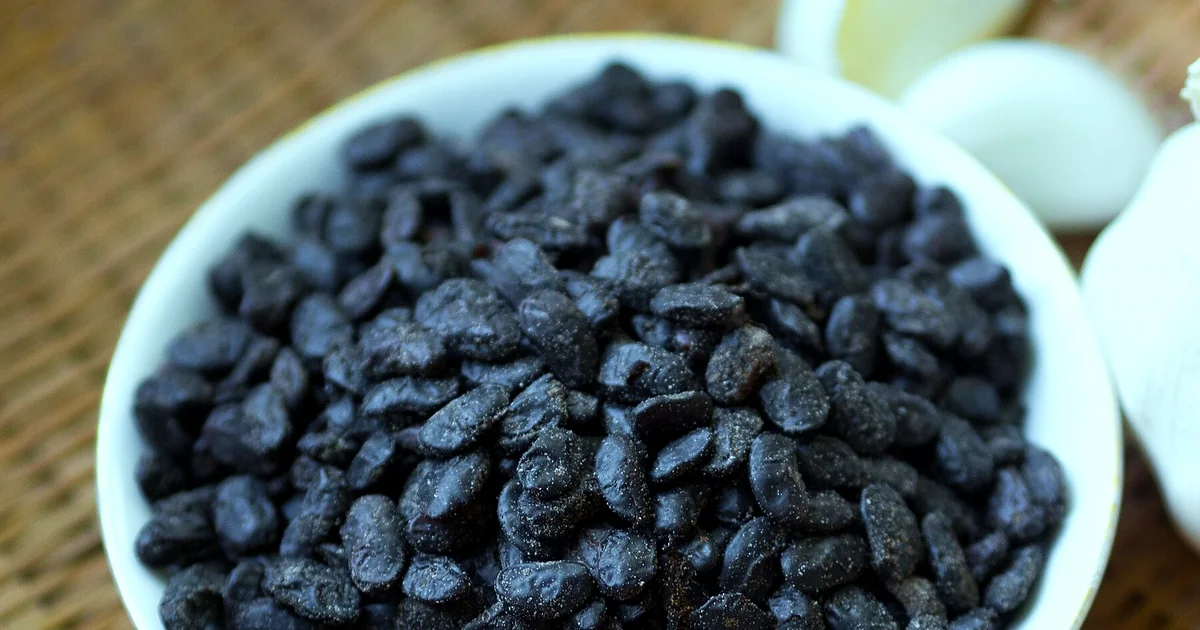
Douchi are soybeans transformed by fermentation, salting, and drying into small, wrinkled, intensely savory seasonings. English labels often say fermented black beans, but the color can result from processing rather than a distinct black-bean species [1].
They are used in small amounts with fish, pork, tofu, vegetables, garlic, or chili. The point is concentration: the bean becomes an aromatic condiment rather than remaining a neutral staple.
Ancient Fermented Soybeans in China
Chinese texts use the term shi for fermented soybean preparations, and archaeological material from Han-period tomb contexts supports a long history. The evidence makes douchi part of one of the world's oldest documented soybean-fermentation systems [1][2].
That does not mean every ancient shi matched a modern supermarket packet. Ingredients, molds, salt, drying, and naming changed. Continuity lies in the technique family, not an unchanged brand.
How Douchi Is Made
Producers cook soybeans, encourage microbial growth, wash or manage the cultured beans, add salt, and age or dry them. Different regions use different organisms and sequences. Mold-led stages create enzymes; salt and drying stabilize the finished product [3][4].
The process explains the flavor. Proteins break into amino compounds, starches transform, and moisture falls. A bean becomes salty, earthy, fruity, and sometimes faintly bitter.
Trade, Medicine, and Everyday Seasoning
Fermented beans traveled because they were compact and durable. Historical Chinese sources also placed soybean ferments in dietary and medicinal writing, though modern readers should not translate those uses into medical claims [1].
In cooking, douchi provided savory depth before bottled black bean sauces. Its importance came from storage and intensity: a household could keep a powerful seasoning ready for many meals.
Douchi in the Modern Pantry
Today douchi appears whole, chopped, fried, or blended into prepared sauces. Cantonese black-bean dishes made the flavor especially visible internationally, but regional Chinese uses extend much farther.
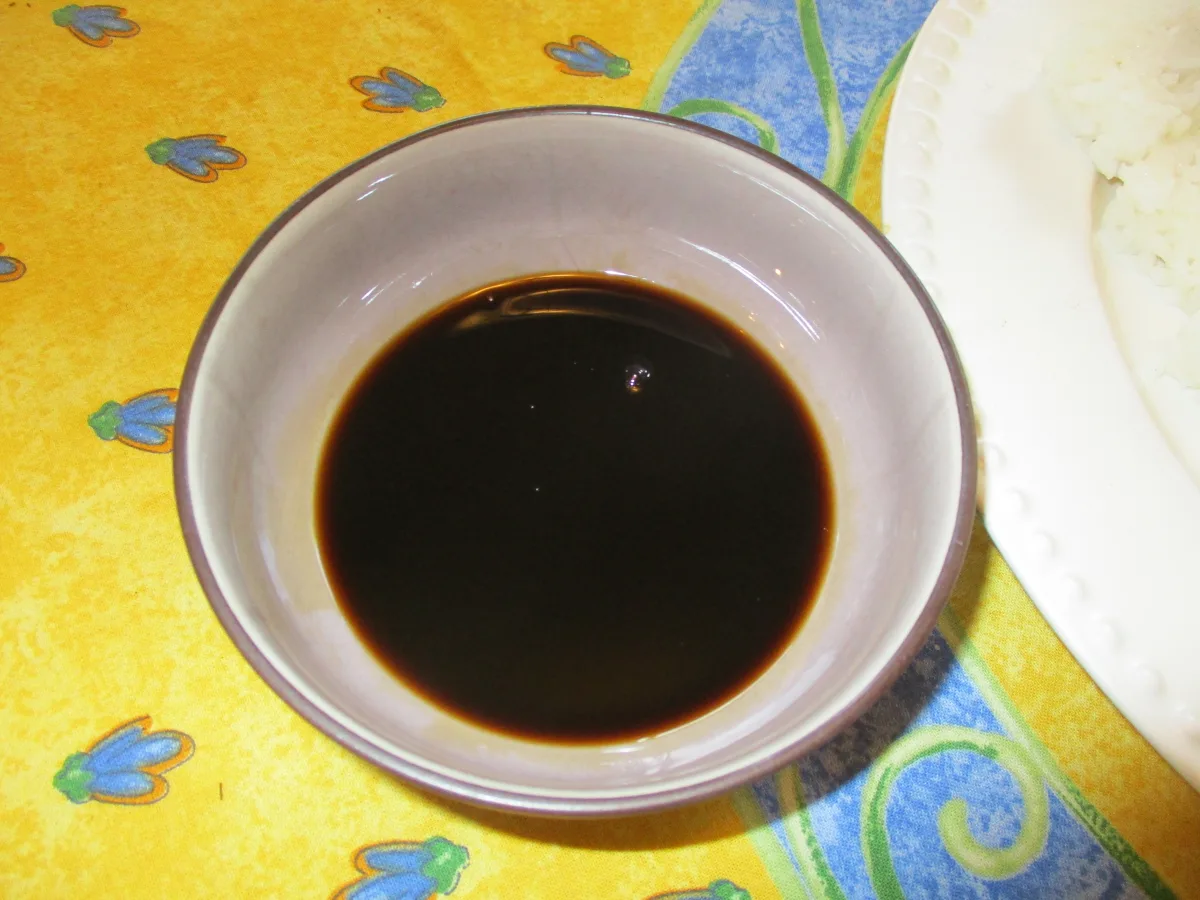
Prepared black bean sauce may contain garlic, oil, sugar, chili, and other seasonings. It is convenient, but it is not the same object as plain fermented beans. Understanding that difference opens a clearer route into Chinese fermentation history.
Historical Timeline
Texts and archaeological evidence document fermented soybean preparations known as shi
Regional producers develop salted and dried forms for trade and household seasoning
Douchi becomes embedded in regional sauces, steamed dishes, and preserved-food systems
Packaged beans and prepared black bean sauces carry the flavor globally
Evidence Explorer
Review the Source Trail
Inspect the article sources, scoped review credits, and copyable citation details without leaving the page.
Reviewed for Stated Scope
Sources Listed
Comments
Community comments are coming soon. Check back later to join the discussion!