💡 Key Takeaways
- Cheonggukjang is a short-fermented whole-soybean food made in days rather than months.
- Bacillus species drive much of its characteristic aroma and sticky texture.
- It differs from long-aged doenjang and from Japanese natto in culinary use and production history.
- Stories linking the name to Qing troops are debated and should not be presented as settled fact.
What Is Cheonggukjang?
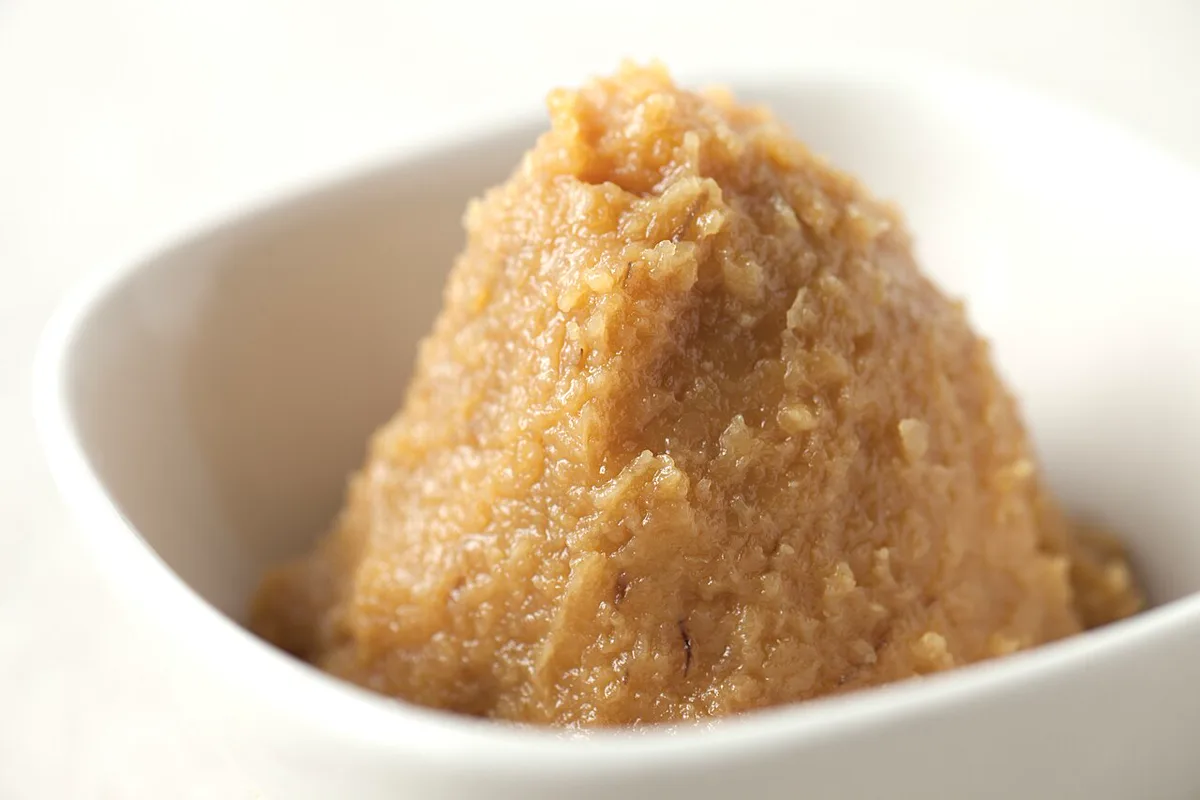
Cheonggukjang is a Korean soybean ferment made by incubating cooked beans in warm conditions for a short period, often two or three days. Bacillus species multiply, producing aroma, sticky threads, and transformed flavor [2][3].
The beans may remain whole or be lightly mashed, then cooked into stew. The speed distinguishes it from doenjang, which ages in salty paste for much longer.
A Fast Ferment in a Larger Soy System
Korean households historically maintained several soybean technologies: meju blocks, soy sauce, doenjang, and faster ferments. Cheonggukjang met a practical need for savory food without waiting through a long aging season [1].
This makes it part of a system, not an isolated curiosity. Grain, beans, salt, temperature, vessels, and seasonal labor determined which ferment was useful.
What the Name Can and Cannot Prove
A popular story links cheonggukjang to the Qing dynasty or military camps. Linguistic resemblance makes the tale memorable, but the food's exact naming path and origin are debated. It should be presented as an origin tradition, not a proven invention event.
Household ferments often predate the written names later attached to them. The process history is firmer than the military legend.
Cheonggukjang, Doenjang, and Natto
Cheonggukjang and natto both use Bacillus-led fermentation and can produce sticky strands, but they belong to different food cultures and serving systems. Natto is often eaten directly with rice; cheonggukjang commonly becomes stew. Doenjang is saltier and aged longer [4].
Comparison is useful when it clarifies process. It becomes misleading when it treats one food as merely another country's version.
Strong Aroma and Modern Identity
Cheonggukjang's aroma can challenge consumers unfamiliar with it, so packaged products sometimes use selected cultures or formulations intended to moderate smell. Restaurants also frame the stew as heritage food.
The modern tension is between accessibility and character. The paste's value lies in a fast microbial transformation that generations recognized as food, not in making it disappear into a neutral global soybean product.
Historical Timeline
Households maintain multiple soybean ferments suited to different seasons and waiting times
Fast soybean pastes appear in domestic food practice and written discussions
Starter cultures and commercial packs make production more standardized
Restaurants and packaged stew bases introduce the strong ferment to new consumers
Evidence Explorer
Review the Source Trail
Inspect the article sources, scoped review credits, and copyable citation details without leaving the page.
Reviewed for Stated Scope
Sources Listed
Comments
Community comments are coming soon. Check back later to join the discussion!