💡 Key Takeaways
- Dulce de leche develops through slow concentration and browning of milk and sugar.
- Argentina, Uruguay, and other countries preserve valued origin stories, but one inventor is not securely established.
- Cajeta, manjar, arequipe, and doce de leite are related regional traditions rather than mere translations.
- The confection depends on dairy and sugar systems shaped by colonial agriculture, trade, and local adaptation.
What Is Dulce de Leche?
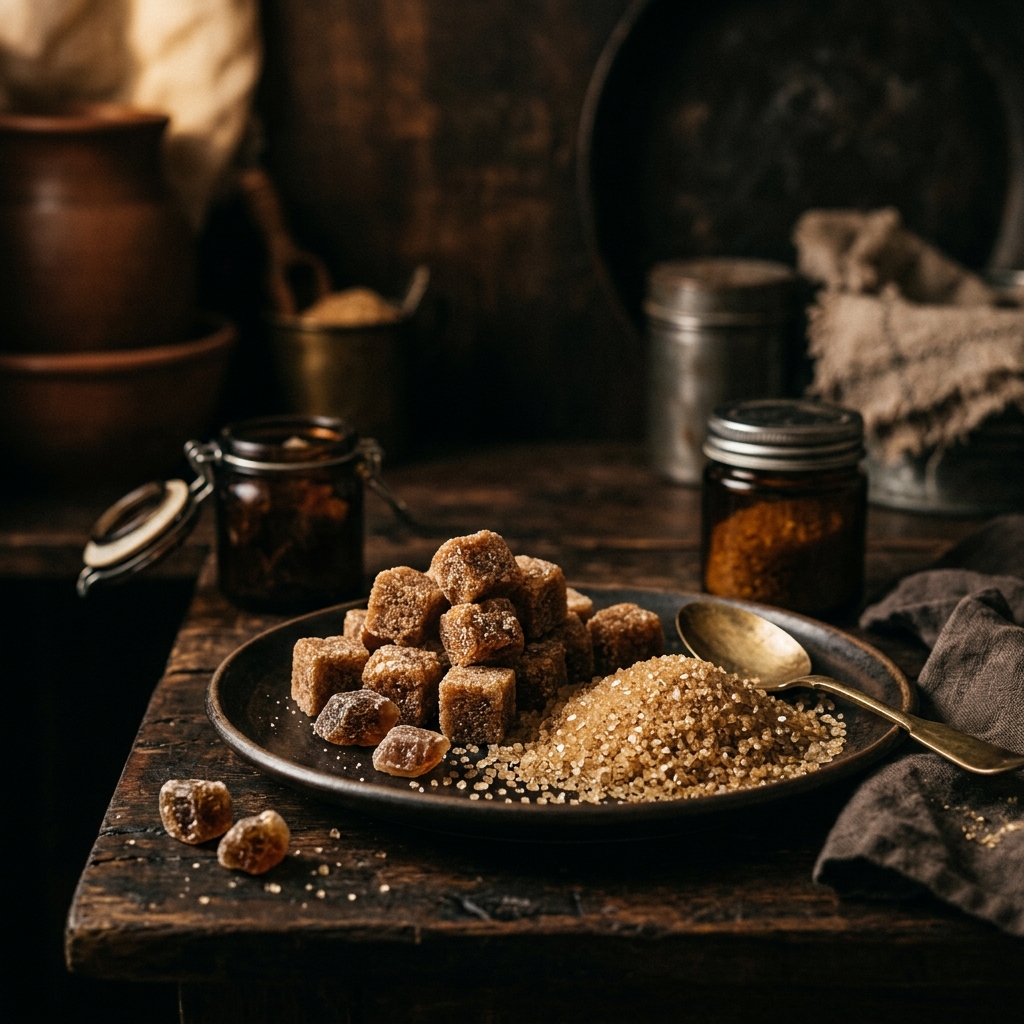
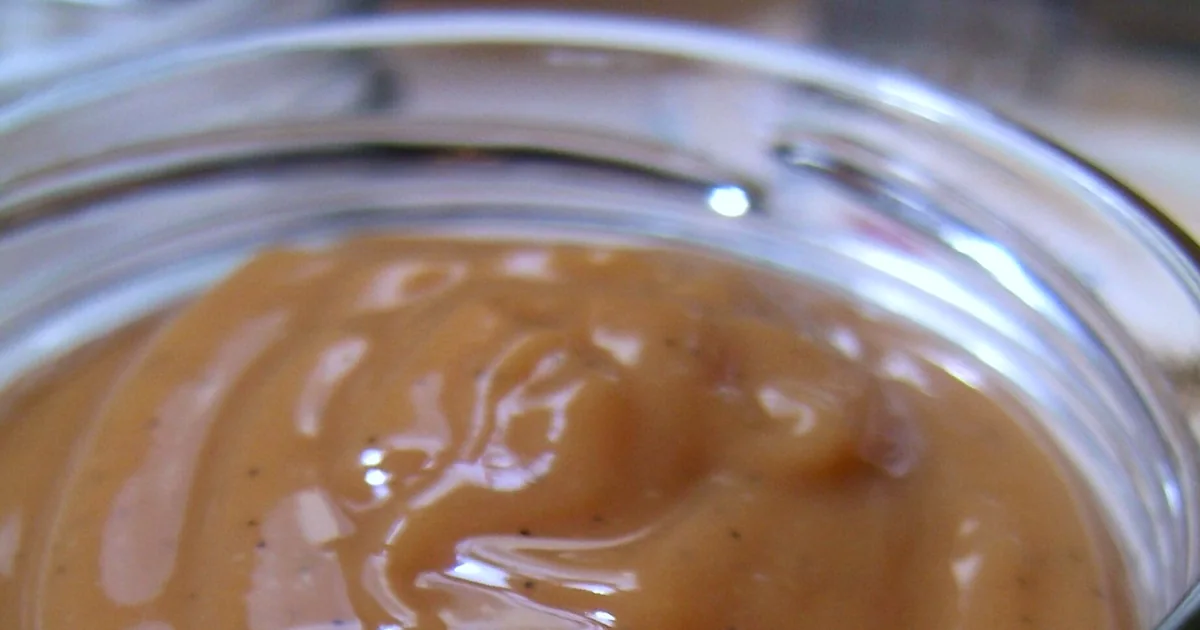
Dulce de leche is made by heating milk and sugar slowly until water evaporates, the mixture thickens, and browning creates toasted dairy flavor. It is related to caramel but not chemically identical, because milk proteins participate in the transformation [1][3].
Across Latin America, related sweets carry names such as dulce de leche, manjar, arequipe, cajeta, and doce de leite. They share a family resemblance while differing in milk, sweetness, texture, and local meaning.
Who Invented Dulce de Leche?
No single inventor is securely documented. Argentina and Uruguay preserve famous stories, including a pot of milk and sugar supposedly left unattended during a political meeting. These narratives matter to national food memory, but they are not contemporaneous evidence that one accident created every regional milk sweet [1].
Similar confections emerged wherever dairy, sugar, heat, and preservation needs met. The better answer to the origin question is a family tree rather than a patent date.
Colonial Sugar, Dairy, and Domestic Labor
The ingredients were never historically neutral. Cattle and dairy practices changed American landscapes after European invasion, while cane sugar expanded through plantation economies built on enslaved and coerced labor [2]. Domestic cooks then transformed those materials into regional foods that acquired meanings far beyond their colonial supply chains.
Slow stirring also made dulce de leche a labor history. Before factory kettles and canned products, texture depended on attention, fuel, vessels, and practiced judgment.
How Dulce de Leche Became Global
Industrial dairy processing made the confection easier to produce consistently and transport. Migration carried alfajores, cakes, ice creams, and filled pastries into new markets, while international brands turned dulce de leche into a recognizable flavor label.
Its success does not require choosing one national claimant as the winner. Dulce de leche is powerful because related communities made milk and sugar differently, then carried those differences into modern dessert culture.
Historical Timeline
European dairy animals and cane sugar become entangled with American land, labor, and kitchens
Named milk-and-sugar sweets appear more visibly in regional records and national identities
Canned milk and industrial dairy processing expand production and distribution
Dulce de leche travels through pastries, ice cream, spreads, and diaspora businesses
Evidence Explorer
Review the Source Trail
Inspect the article sources, scoped review credits, and copyable citation details without leaving the page.
Sources Listed
Comments
Community comments are coming soon. Check back later to join the discussion!