💡 Key Takeaways
- Dalgona coffee is instant coffee, sugar, and water whipped into a stiff foam and spooned over cold or hot milk — a pandemic-era drink that went globally viral in March 2020.
- The name comes from Korean *dalgona*, a puffed-sugar street candy (like honeycomb toffee), because the whipped coffee resembles the candy's color and lightly caramel flavor.
- The whipped-coffee method itself is older than the name: South Asian "beaten coffee" (phenti hui coffee in India, frappé in Greece) whipped instant coffee into foam decades before the 2020 viral moment.
What Is Dalgona Coffee?
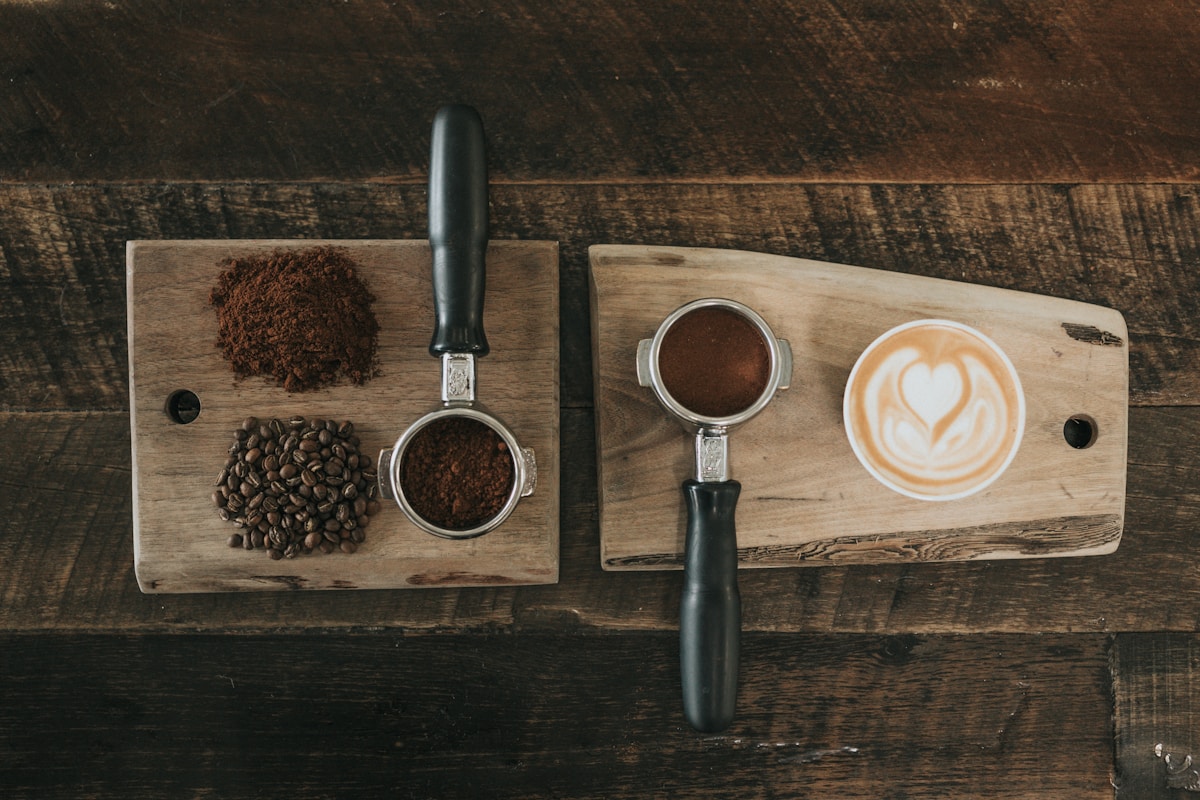
Dalgona coffee is instant coffee, sugar, and hot water whipped together in equal parts into a stiff, caramel-colored foam, then spooned over a glass of cold or hot milk [3][5]. It went globally viral in March 2020, in the first weeks of COVID-19 lockdowns, as a home-coffee project that needed no machine — only instant coffee, sugar, and a whisk (or a fork, or a spoon, to the exhaustion of many quarantined wrists).
The drink works chemically because instant coffee contains emulsifiers and pre-dried coffee solids that, combined with sugar and water, trap air into a stable foam. Fresh-brewed coffee does not whip the same way, which is why dalgona coffee specifically calls for instant.
The Korean Candy Namesake
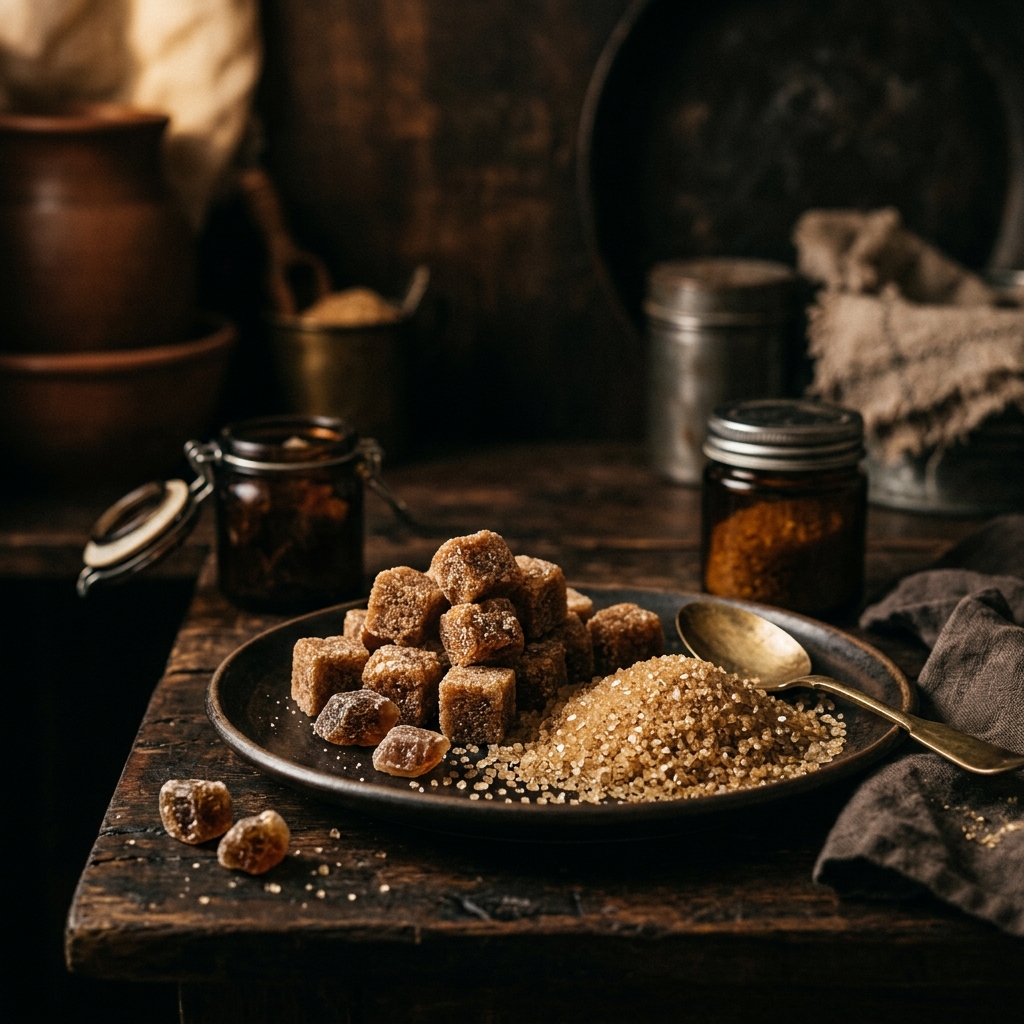
The name comes from Korean *dalgona* (also called *ppopgi*), a puffed-sugar street candy made by melting sugar with a pinch of baking soda until it inflates into a honeycomb-toffee-like crisp [1][2]. Vendors press it flat, stamp a shape (heart, star, umbrella) into it, and children try to eat around the shape without breaking it — a classic postwar Korean street snack.
In January 2020 a Korean TV appearance compared whipped coffee's color and lightly caramel flavor to dalgona candy, and the name stuck when the drink went viral two months later [6]. So a 2020 internet coffee trend is named after a postwar Korean street candy — a layer of food history most viral coverage skipped.
The Older Beaten-Coffee Tradition
The whipped-coffee method itself is older than the name by decades. South Asian *phenti hui coffee* (Hindi for "beaten coffee") whips instant coffee with sugar and a little water into a foam, then adds hot milk — a home method used in India and Pakistan since the mid-20th century [3]. Greek frappé, invented in 1957, whips instant coffee with cold water into a foam in a shaker. Macau and Libya have their own beaten-coffee traditions.
So dalgona coffee did not invent the method; it gave a viral name and platform to a family of home whipped-coffee preparations that had been living in regional kitchens for decades [5]. The novelty was the TikTok moment, not the technique.
The Viral Moment and What It Left Behind
The dalgona coffee wave was one of the defining food virals of 2020 — perfectly suited to lockdown conditions because it required only pantry staples, no equipment, and produced a dramatic visual [6]. The wave receded as cafes reopened, but it left a lasting interest in whipped-foam coffee formats: pre-packaged coffee-foam toppings, cold foams on cafe lattes, and a broader tolerance for foam-as-topping in coffee culture.
For The Foods That Shaped Us, dalgona coffee links coffee, sugar, and milk — and the older South Asian and Greek whipped-coffee traditions. The honest history is that a regional home method got a viral Korean name during a pandemic, and the foam outlasted the trend.
Historical Timeline
Dalgona (ppopgi) becomes a popular Korean street candy — puffed sugar with baking soda, often pressed flat with a shape stamped in it.
South Asian "beaten coffee" (phenti hui) and Greek frappé whip instant coffee with sugar and water into foam, decades before dalgona coffee.
A Korean TV appearance compares whipped coffee to dalgona candy, giving the drink its name.
Dalgona coffee goes globally viral on TikTok and Instagram during early COVID-19 lockdowns, as a no-machine home coffee project.
The viral wave recedes, but dalgona coffee leaves a lasting interest in whipped-foam coffee formats and pre-packaged coffee foam toppings.
Evidence Explorer
Review the Source Trail
Inspect the article sources, scoped review credits, and copyable citation details without leaving the page.
Sources Listed
Comments
Community comments are coming soon. Check back later to join the discussion!