💡 Key Takeaways
- Shakshuka is eggs gently poached in a simmering sauce of tomatoes, sweet peppers, onion, garlic, and warm spices (cumin, paprika, sometimes harissa) — eaten directly from the skillet with bread.
- Its name comes from Arabic "shakshūka," meaning "a mixture" or "shaken together," and the dish belongs to a wide Ottoman-era family of egg-and-tomato dishes across the Maghreb and Levant.
- The modern global shakshuka — served in cast iron, garnished with feta and herbs — was codified in Israeli cafe culture in the 1990s–2000s and reached the 2026 Western brunch menu through that path.
What Is Shakshuka?
Shakshuka is eggs poached in a simmering sauce of tomatoes, sweet peppers, onion, garlic, and warm spices (cumin, paprika, and often a spoonful of harissa for heat), served directly from the skillet with bread to mop up the sauce [1][4]. The name comes from Arabic *shakshūka*, slang for "a mixture" or "shaken together," which describes the sauce-building method more than a single recipe.
There is no canonical shakshuka — there are dozens of regional variants (Libyan, Tunisian, Israeli, Yemeni-Jewish, Egyptian), each with a slightly different spice blend and texture. What unites them is the technique: build a thick sauce, crack eggs into it, cover, and simmer until the whites set but the yolks stay runny.
North African and Ottoman Roots
The dish belongs to a wide Ottoman-era family of egg-and-tomato/pepper preparations across the Maghreb and Levant [1][2][6]. Critically, none of these could exist in their current form before the Columbian Exchange: both tomatoes and peppers are New World crops that reached the Ottoman and North African worlds via Spanish and Portuguese trade after 1492. The deep spices (cumin, paprika, coriander) layer onto that New World base.
The food-history point is that shakshuka looks ancient but its key ingredients are post-Columbian. The technique of poaching eggs in a flavored sauce is older; the tomato-and-pepper sauce we recognize as shakshuka is a relatively modern convergence.
Israel and the Modern Brunch Dish
The shakshuka that globalized — served in cast iron, garnished with feta, herbs, and good bread — was codified in Israeli cafe culture, especially in Tel Aviv and Jaffa, in the 1990s and 2000s [3][5]. Yemeni Jewish immigrants are widely credited with bringing a shakshuka-style egg dish to Israel in the 1950s, where it lived as simple home and roadside food before being elevated by cafes.
The modern Israeli version is the one that traveled. Chefs like Yotam Ottolenghi helped introduce shakshuka to English-speaking home cooks, and by the 2010s it had become a default brunch item in Western cafes — recognizable, photogenic, and easy to serve [5].
Shakshuka and the 2026 Brunch Wave
By 2026, shakshuka is firmly part of the global brunch canon — on menus from Berlin to Brooklyn, with canned shakshuka sauces, jarred versions, and even frozen shakshuka kits now sold in grocery aisles. The dish fits the brunch moment because it is both comfort food and a vegetarian/protein-forward option that reads as healthy without being austere.
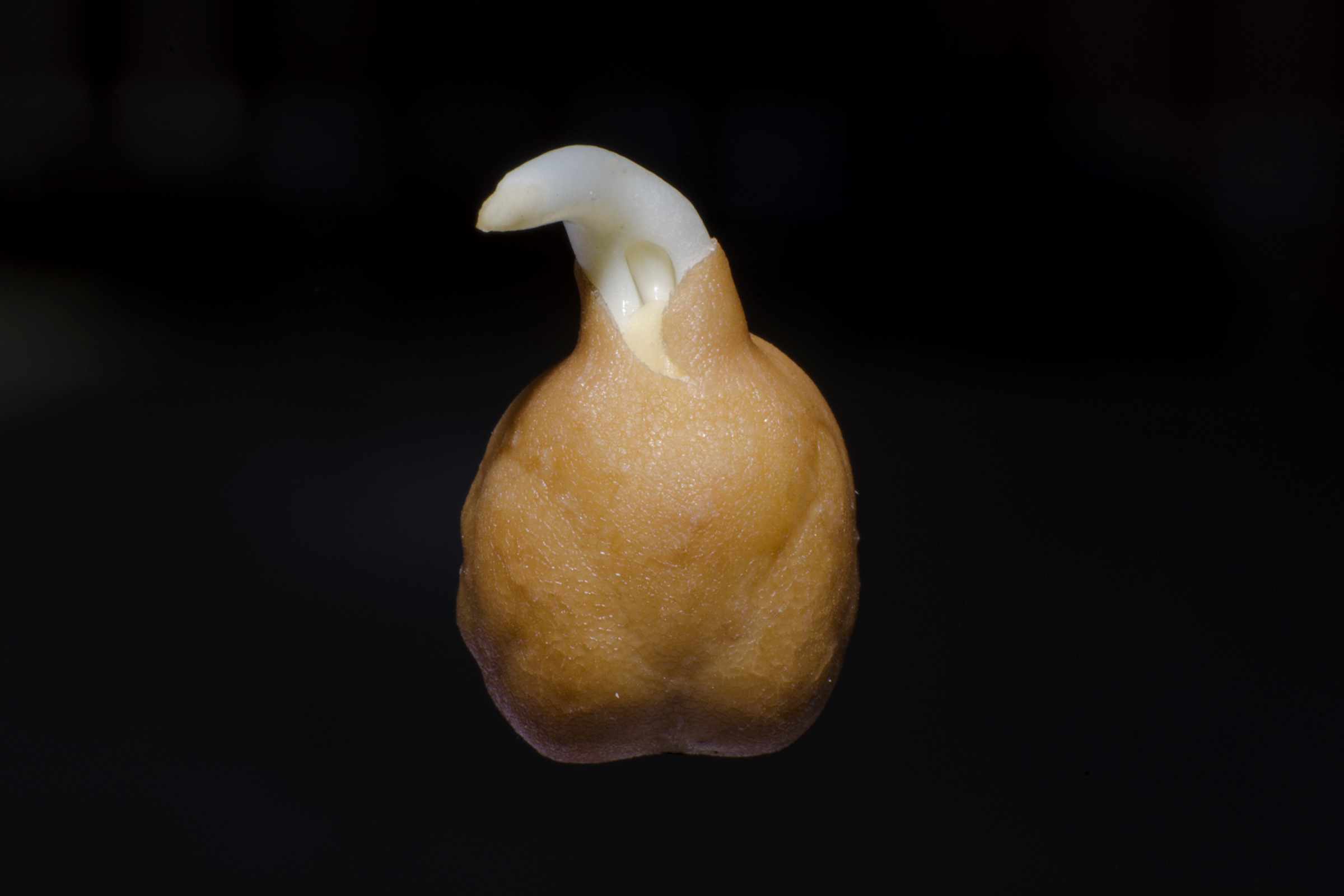
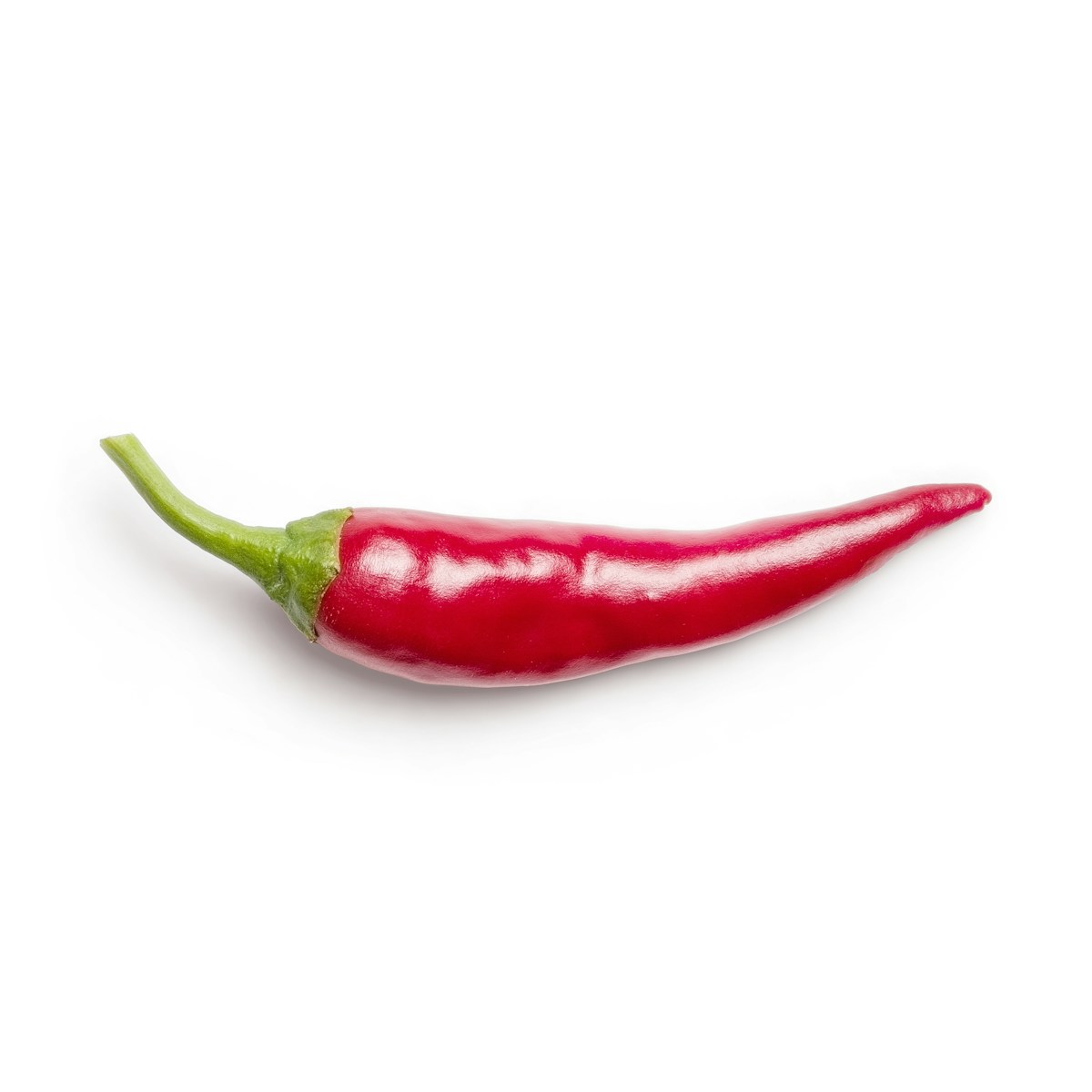
For The Foods That Shaped Us, shakshuka links chickpea, chili pepper, olive oil, harissa, and sumac — a cluster of Maghreb-Levantine ingredients that converged, post-Columbian Exchange, into one of the most traveled egg dishes of the 21st century. The honest origin is North African and Ottoman; the modern format is Israeli and global.
Historical Timeline
New World tomatoes and peppers reach the Ottoman and Maghreb worlds via Spanish and Ottoman trade, eventually reshaping regional egg dishes.
Egg-and-tomato/pepper dishes circulate across the Maghreb, Levant, and Yemen under various names; "shakshuka" stabilizes in North African usage.
Yemeni Jewish immigrants bring shakshuka-style eggs to Israel; the dish takes root in simple roadside and home kitchens.
Israeli cafes (notably in Tel Aviv and Jaffa) codify shakshuka as a served brunch dish in cast iron, with feta, herbs, and bread.
Shakshuka globalizes as a default brunch menu item in Western cafes, with countless canned-sauce and packaged versions.
Evidence Explorer
Review the Source Trail
Inspect the article sources, scoped review credits, and copyable citation details without leaving the page.
Sources Listed
Comments
Community comments are coming soon. Check back later to join the discussion!