💡 Key Takeaways
- Fonio is a group of small West African cereal grains rather than a newly invented superfood.
- Its history belongs to living farming, cooking, and cultural practices, not only an ancient-grain label.
- Labor-intensive cleaning and dehusking have shaped household and market economics.
- Global demand can create opportunities but should not erase local knowledge or support miracle claims.
What Is Fonio?
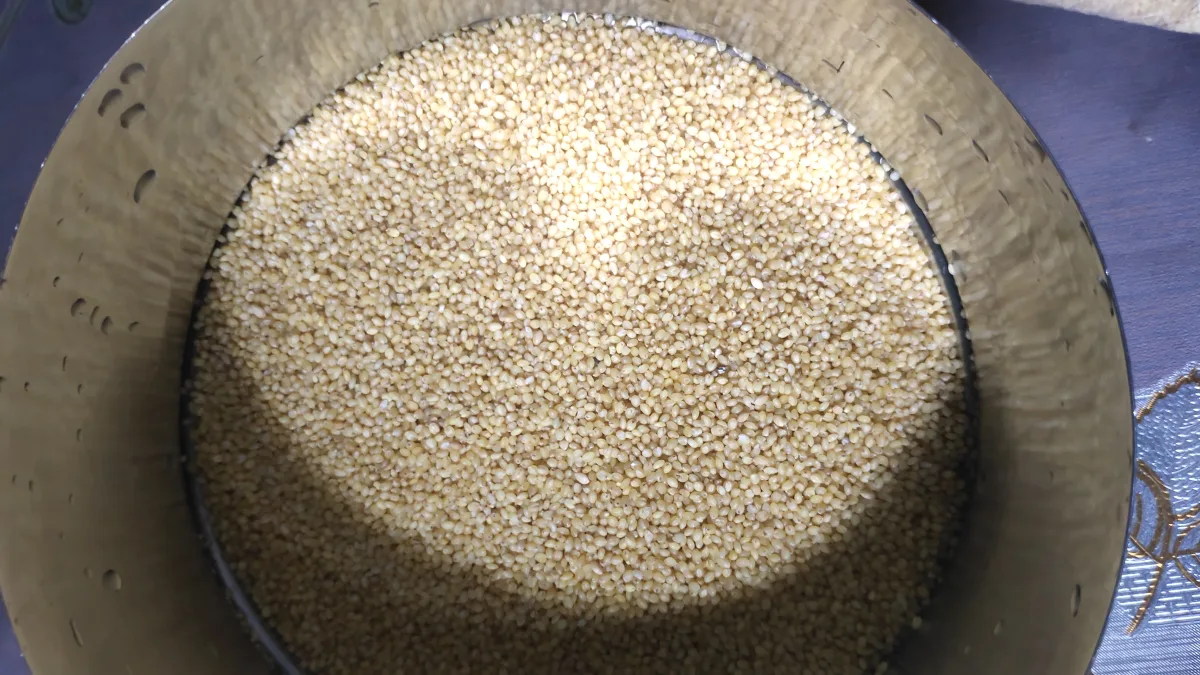
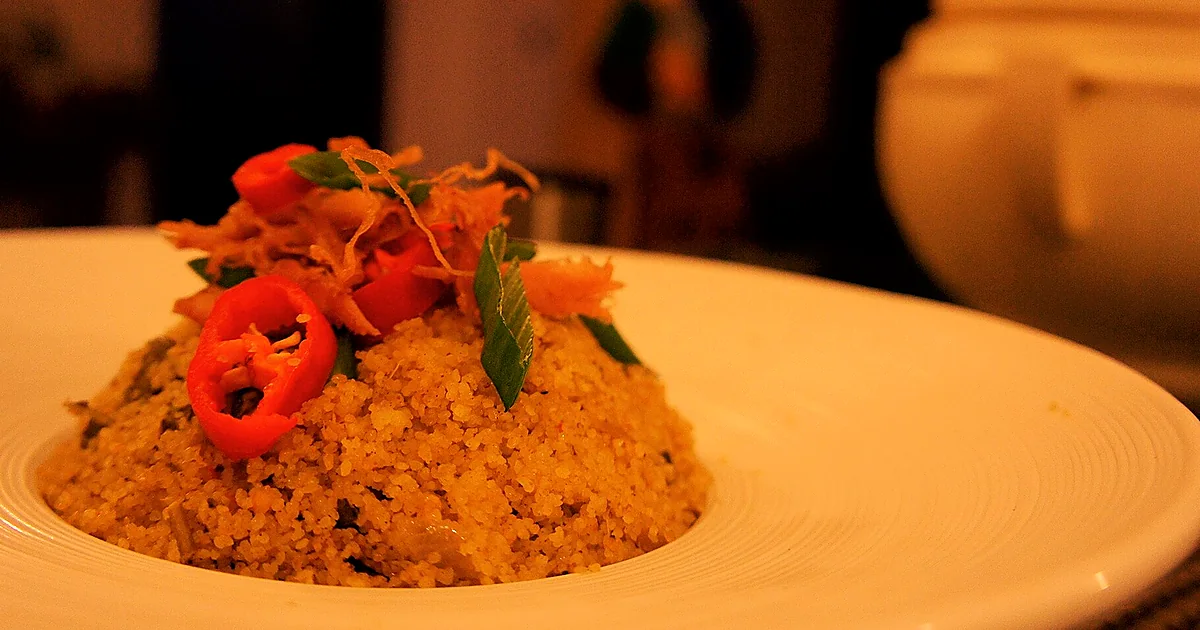
Fonio refers to small-seeded cereals in the Digitaria genus, especially Digitaria exilis, grown across parts of West Africa. It can be steamed, made into porridge, formed into couscous-like dishes, brewed, or served at ceremonies and everyday meals [1][2].
The grain’s recent visibility in specialty shops does not make it new to the farmers and cooks who maintained it. Ancient grain can be a useful search phrase, but fonio is also a present-day crop with living regional names and techniques.
Where Did Fonio Originate?
Fonio belongs to West African agricultural history, especially zones extending through Guinea, Mali, Senegal, Nigeria, and neighboring countries. A precise first field cannot be reconstructed from current evidence, and modern borders should not be projected onto early cultivation [1][3].
The grain’s value comes from its fit with regional seasons, soils, and meals. Historical importance is not measured only by export volume. Crops can sustain communities while remaining nearly invisible to outside commodity markets.
The Labor Behind a Tiny Grain
Fonio’s small size makes it quick to cook but difficult to clean and dehusk. Processing traditionally demanded repeated pounding, winnowing, and washing, with much of that work carried by women [1]. Mechanization can reduce labor, but it also changes who controls milling and income.
That processing history explains why fonio was sometimes neglected by crop programs seeking easy industrial scale. The obstacle was not the grain’s culinary worth; it was the economics of handling something tiny.
Why Fonio Is Receiving Global Attention
Diaspora cooking, chef menus, grain-diversity campaigns, and specialty brands have introduced fonio to new audiences. Claims about drought resilience and nutrition can be promising, but no single grain can solve climate or diet by itself.
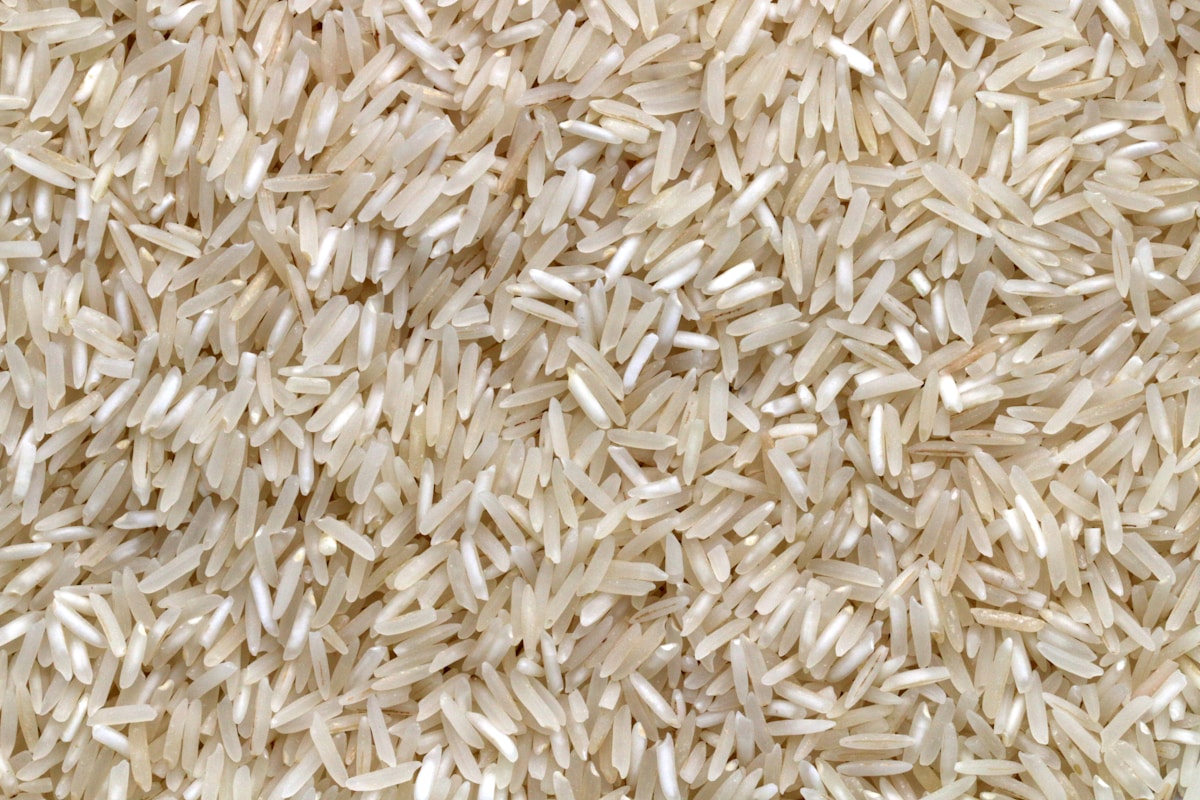
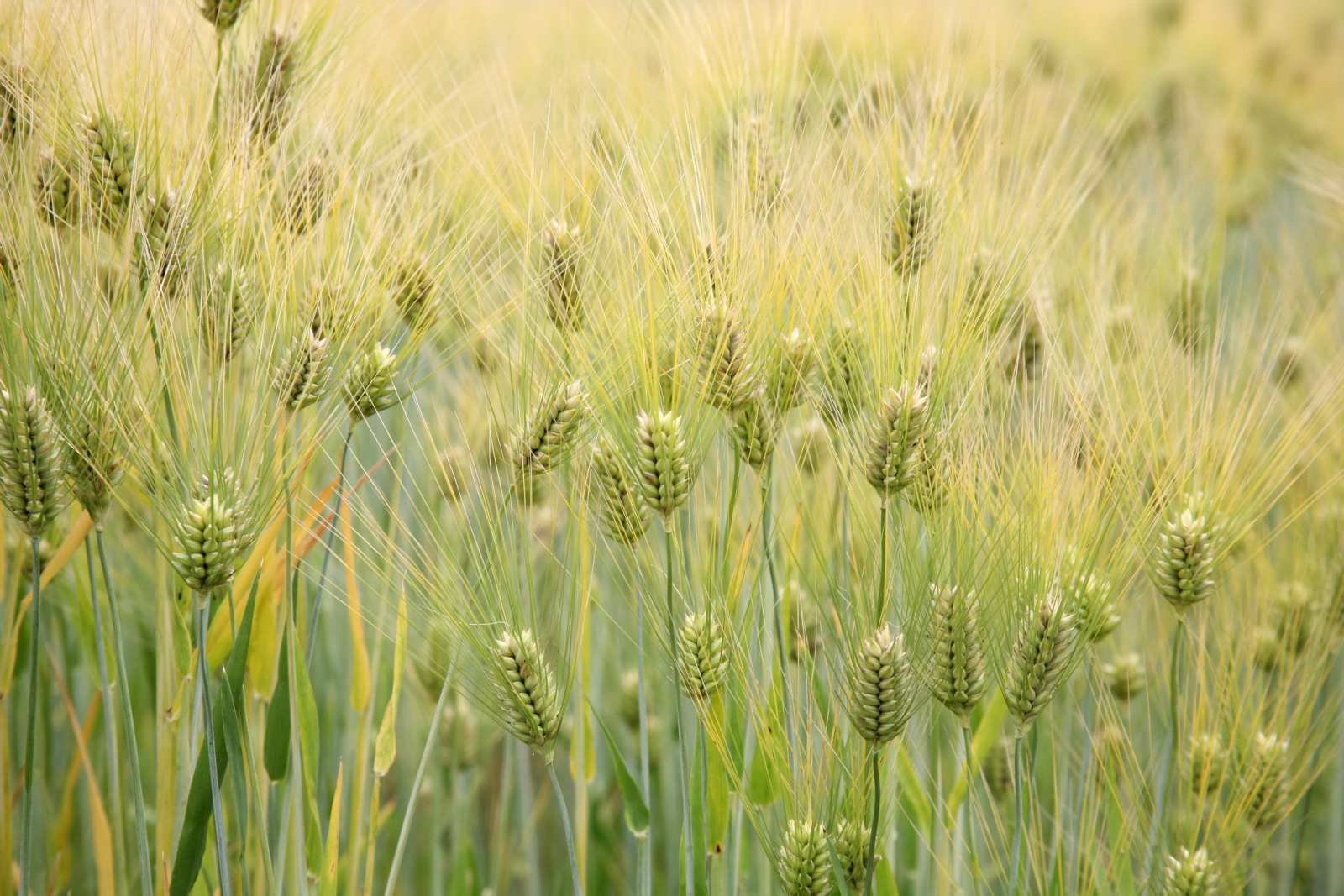
The stronger story is diversity. Alongside millet, barley, rice, and other cereals, fonio shows that the global grain shelf is narrower than the world’s actual food knowledge.
Historical Timeline
Communities cultivate and cook fonio in diverse Sahelian and West African food systems
Export-oriented crop policies marginalize many locally important grains in official research
Agronomists document fonio’s farming, culinary, and crop-diversity value
Diaspora chefs, specialty brands, and food-security projects raise global visibility
Evidence Explorer
Review the Source Trail
Inspect the article sources, scoped review credits, and copyable citation details without leaving the page.
Sources Listed
Comments
Community comments are coming soon. Check back later to join the discussion!