💡 Key Takeaways
- Genmaicha combines Japanese green tea with toasted rice rather than being an infusion of rice alone.
- Stories about one servant inventing it are difficult to verify.
- The blend can use everyday tea efficiently while creating a distinct roasted flavor.
- Modern café drinks are a new setting for an existing Japanese tea tradition.
What Is Genmaicha?
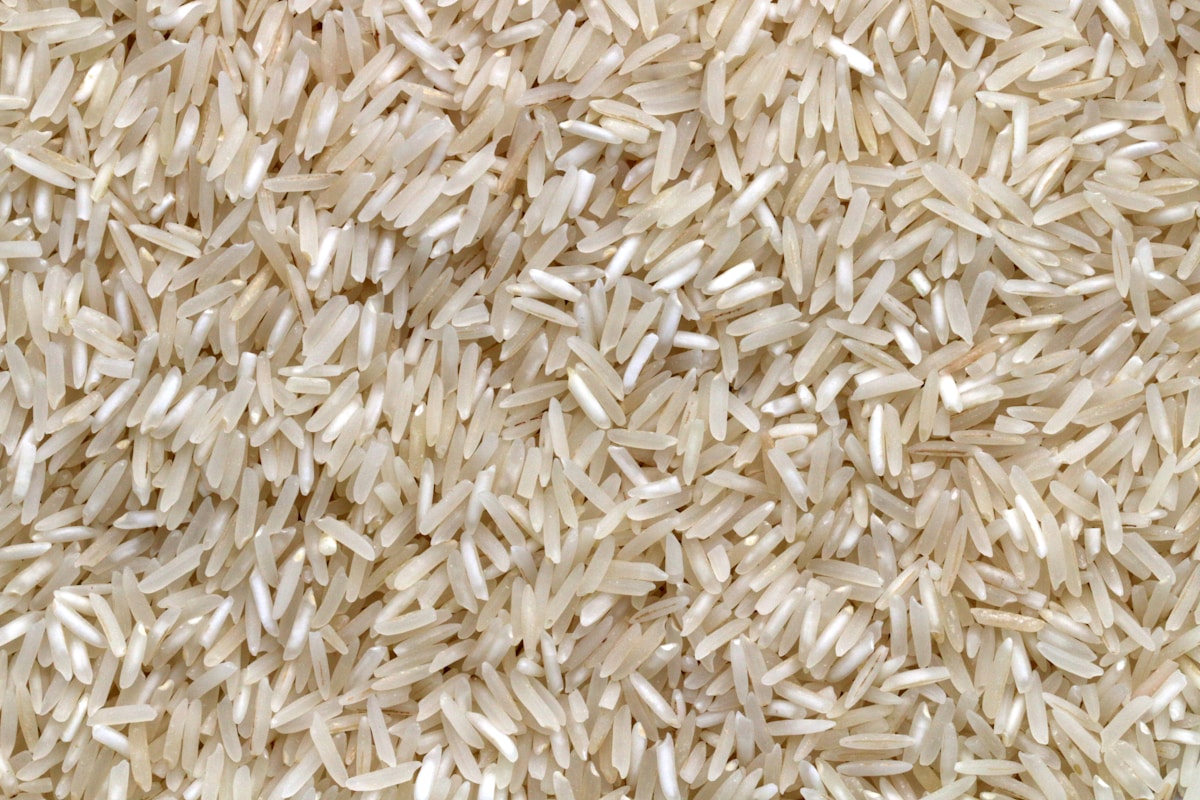
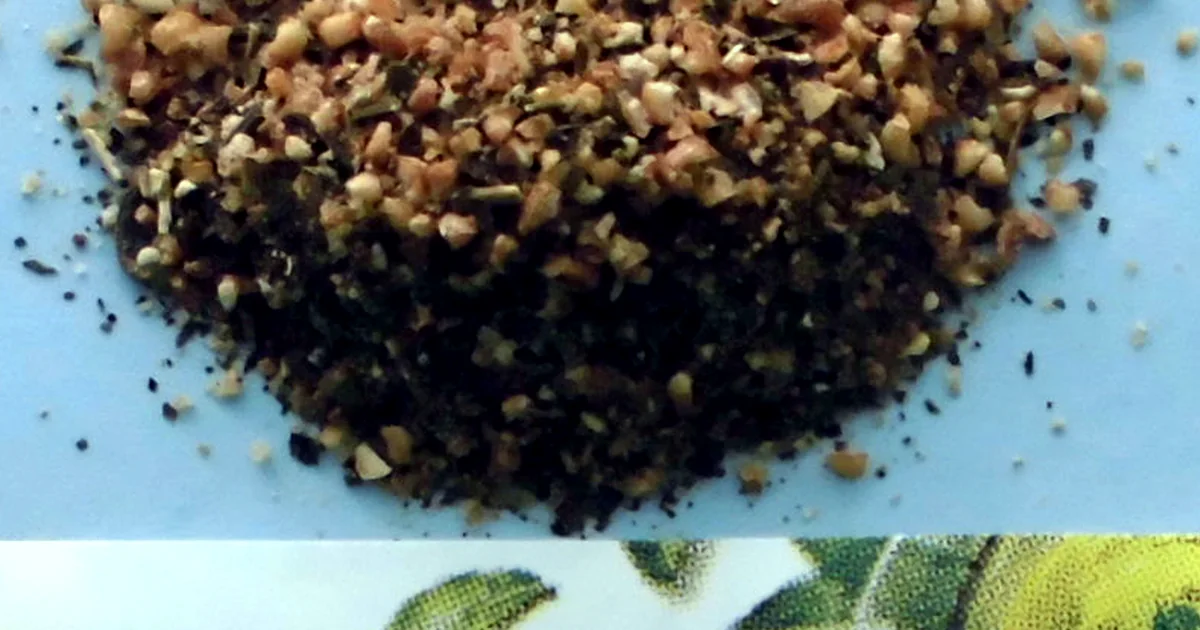
Genmaicha is Japanese green tea blended with toasted rice. The leaf may be bancha or sencha, while the rice adds a warm cereal aroma that makes the cup different from plain green tea [1][3]. It is often called roasted rice tea, but the tea leaf remains central.
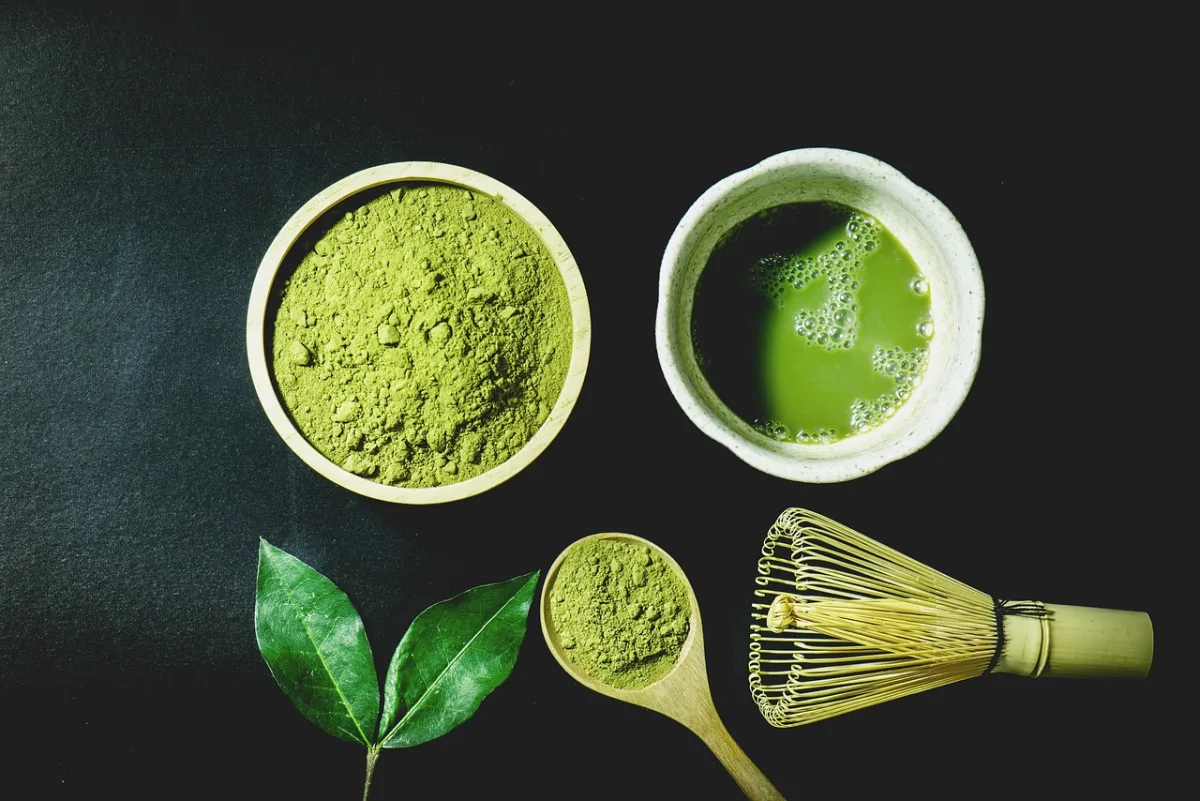
Some grains pop during roasting, creating the visual nickname popcorn tea. That appearance and the nutty flavor have helped genmaicha travel through modern café menus without requiring the equipment associated with powdered matcha.
Who Invented Genmaicha?
A common legend says a servant accidentally dropped rice into a warrior’s tea and was punished before the drink was appreciated. There is no secure evidence that this story documents the actual origin. Another simplified claim calls genmaicha only a poor person’s tea.
Household economy likely mattered: rice could stretch tea leaves and create flavor. But reducing the drink to poverty ignores how ordinary foods become valued traditions. Genmaicha developed through shared practice rather than one dramatic accident.
Rice, Tea, and Everyday Japanese Taste
Roasting changes rice into an aromatic ingredient, while the green tea contributes bitterness, sweetness, and vegetal notes. The pairing makes sense inside Japanese food culture, where roasted grains, steamed rice, and carefully processed tea already carried familiar flavors [1][2].
Genmaicha is therefore not a diluted version of better tea. It is a composed blend with its own sensory logic. Quality depends on leaf, roast, ratio, storage, and brewing rather than on one prestige grade.
Why Genmaicha Is Returning to Cafés
Interest in Japanese tea beyond matcha has brought genmaicha and hojicha into lattes, cold drinks, and desserts. Roasted rice aroma holds up well with milk and sweetness, giving cafés a recognizable flavor without copying matcha exactly.
The modern drink is an adaptation, not the origin. Its value is that it can lead readers back to the quieter history of everyday leaves, toasted grain, and Japanese blending knowledge.
Historical Timeline
Tea drinking expands beyond elite ritual while regional green-tea practices diversify
Rice-and-green-tea blends become established in household and commercial tea culture
Japanese tea exports and specialty shops introduce genmaicha to wider audiences
Cafés use genmaicha in lattes, desserts, and cold drinks beside matcha and hojicha
Evidence Explorer
Review the Source Trail
Inspect the article sources, scoped review credits, and copyable citation details without leaving the page.
Sources Listed
Comments
Community comments are coming soon. Check back later to join the discussion!