💡 Key Takeaways
- Modern idli uses fermented rice-and-urad batter steamed into soft cakes.
- Medieval texts mention related foods, but the exact modern recipe cannot be projected unchanged into every early reference.
- Fermentation and steam create texture without baking.
- Restaurants, migration, grinders, and pressure steamers made idli a national and global breakfast.
What Is Idli?
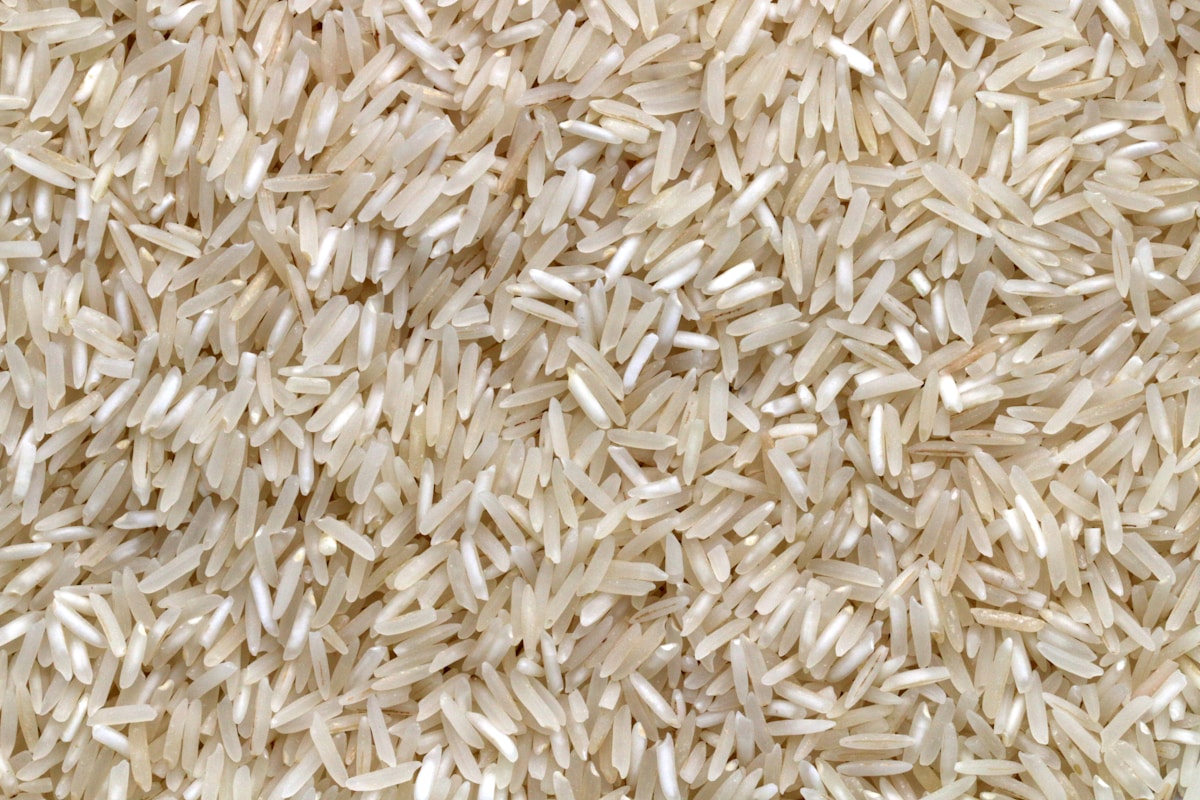
Idli is a steamed cake made from fermented rice and urad dal batter. Soaking and wet grinding create separate slurries that are combined, salted, fermented, and poured into molds. Steam sets the batter into a soft, springy food [3].
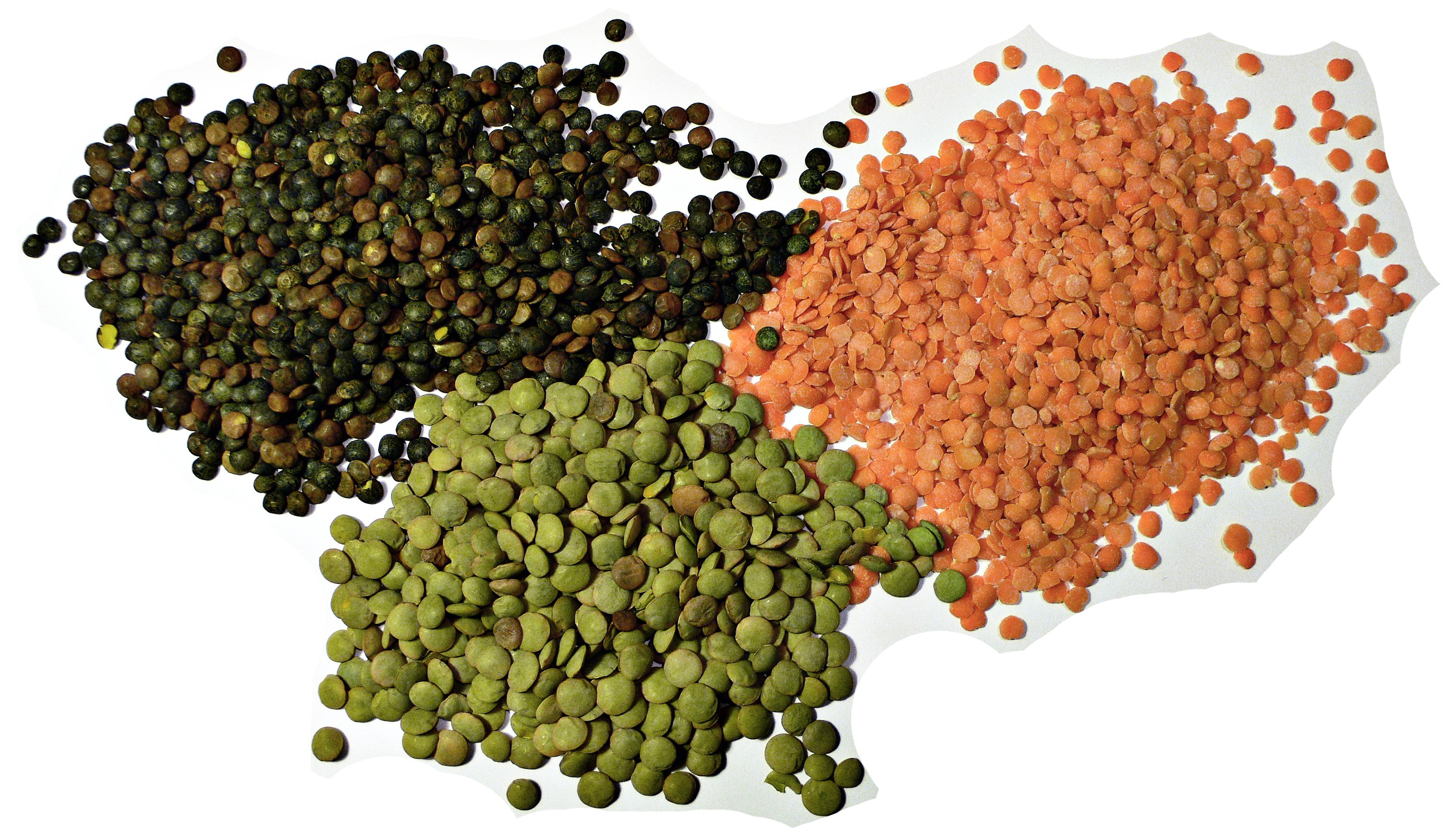
The rice supplies starch; urad dal contributes protein, mucilage, and gas-holding structure. Fermentation acidifies the batter and helps it rise without an oven.
How Old Is Idli?
Medieval South Indian texts mention foods called iddalige and related names, but recipes and textures are not always identical with modern idli [1][2]. Origin debates sometimes propose Indonesian influence through steamed fermented cakes. Contact across the Indian Ocean is plausible, yet no simple transfer has been proven.
The safest history follows gradual convergence: local grains and pulses, grinding technology, fermentation, and steaming produced the familiar form over time.
Fermentation Creates Softness
Bacteria and yeasts in the batter create acids, aroma, and gas. Warmth speeds fermentation; salt, water, grain ratio, and grinding affect the result. Urad's texture helps retain bubbles so steam can expand them [3][4].
This makes idli a precise household technology. A flat cake is not caused by one missing secret but by the interaction of microbes, batter structure, temperature, and timing.
Restaurants, Migration, and Machines
Udupi and other South Indian restaurant networks carried idli into cities across India. Wet grinders reduced labor, while standardized steamers made high-volume service possible. Migration later established idli in Gulf, European, North American, and Southeast Asian kitchens.
Technology did not replace tradition; it changed who could make the food and at what scale.
Idli Today
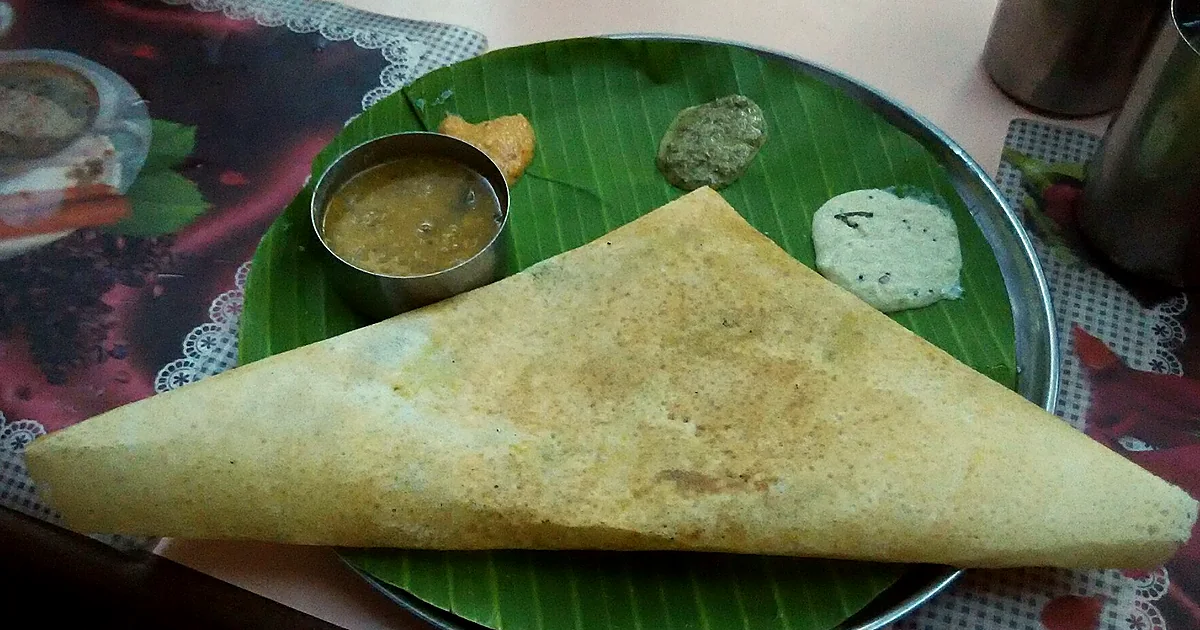
Idli now appears with sambar, chutney, podi, ghee, and many regional accompaniments. Rava idli, millet idli, stuffed forms, and instant mixes expand the category. These are adaptations, not proof that the rice-urad history is irrelevant.
The enduring core is a South Indian solution to grain and pulse: grind, ferment, steam, and serve a soft food suited to breakfast, travel, temples, restaurants, and home.
Historical Timeline
South Indian texts mention iddalige and related prepared foods
Rice, urad dal, wet grinding, fermentation, and steaming converge toward familiar idli forms
Udupi restaurants, migration, and mechanical grinders spread idli widely
Instant mixes, specialized steamers, and diaspora kitchens globalize the food
Evidence Explorer
Review the Source Trail
Inspect the article sources, scoped review credits, and copyable citation details without leaving the page.
Reviewed for Stated Scope
Sources Listed
Comments
Community comments are coming soon. Check back later to join the discussion!