💡 Key Takeaways
- Injera is a fermented flatbread central to Ethiopian and Eritrean meals.
- Teff is strongly associated with traditional injera, but other grains may be blended or substituted.
- The bread functions as plate and utensil as well as staple.
- Exact ancient-origin claims should be separated from the well-supported long history of teff and highland grain culture.
What Is Injera?
Injera is a large, sour, spongy flatbread associated with Ethiopian and Eritrean foodways. Fermented batter is poured onto a hot mitad, covered, and cooked largely from one side. Steam and fermentation create the characteristic surface holes [3][4].
The bread is not only a side. Stews and vegetables are arranged on top, and diners tear pieces to pick up food.
Teff and the Highland Grain System
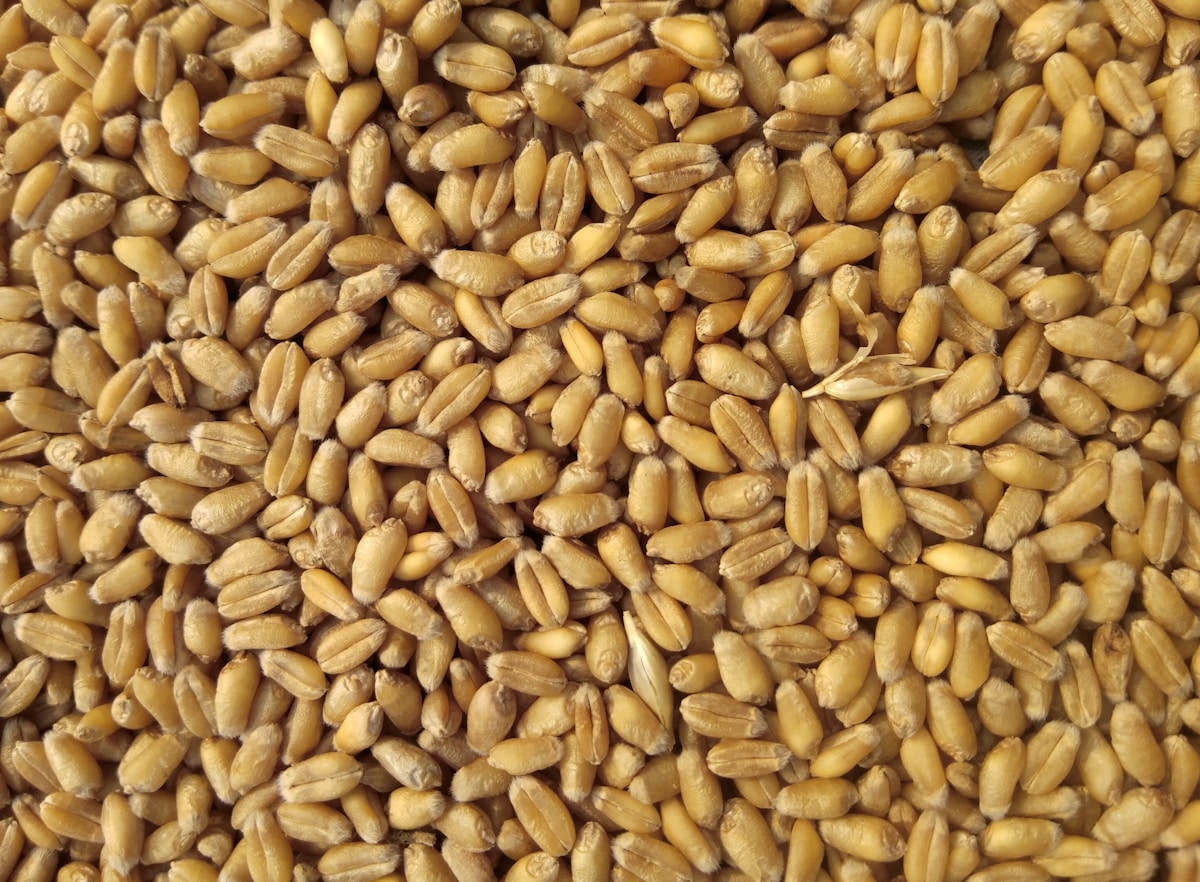
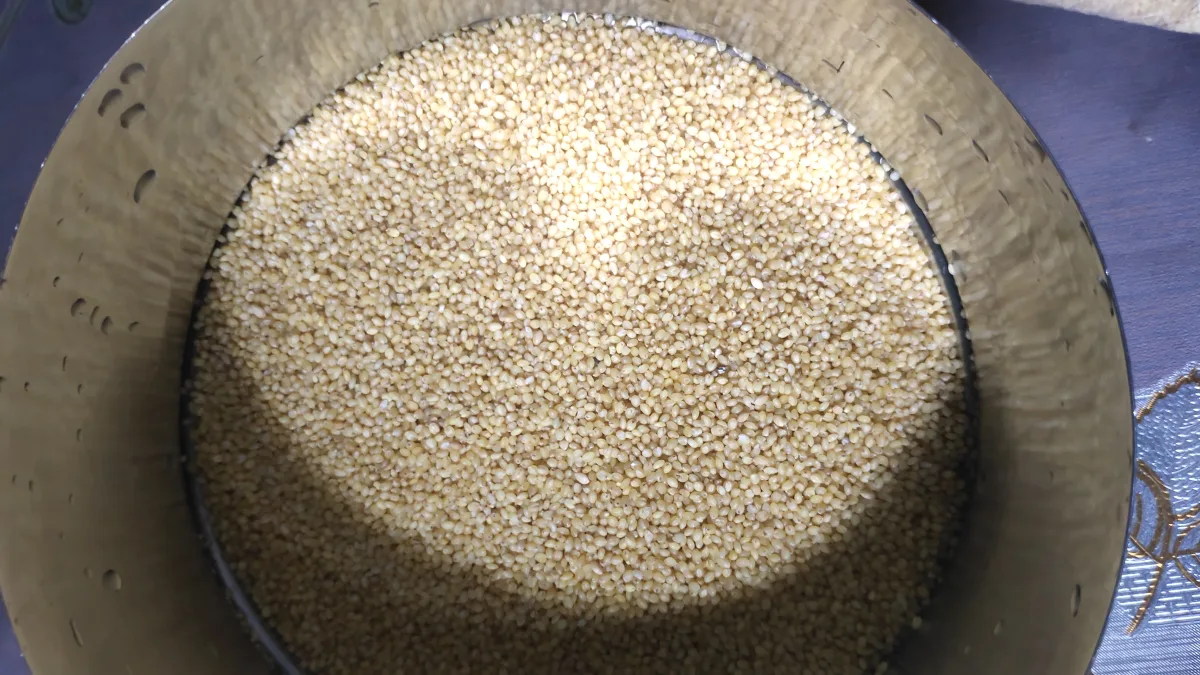
Teff is a tiny-seeded grain adapted to highland conditions and deeply connected with injera. Archaeological and agricultural histories show its long regional importance, though pinning the present bread to one ancient year is difficult [1][2].
Modern injera may blend teff with wheat, barley, sorghum, or rice because of price, availability, or desired texture. That variation belongs to history, not failure.
How Fermentation Builds the Bread
A starter or previous batter contributes yeasts and lactic-acid bacteria. Fermentation develops sourness and gas; cooks may include an absit step, heating part of the batter to improve structure before final proofing [4].
Grain, water, temperature, time, and starter all matter. Injera's softness is controlled craft, not an accidental pancake.
A Shared Table Made From Bread
Serving food on injera organizes communal eating. The bread absorbs sauces, separates portions, and becomes the final edible layer. Gursha, feeding another person by hand, adds intimacy and hospitality to the meal [3].
This social function makes injera difficult to translate as flatbread alone. It is architecture for eating together.
Injera in the Diaspora
Diaspora bakeries adapted fermentation to new climates, flour markets, and electric griddles. Teff imports and domestic cultivation expanded, while mixed-grain formulas kept prices manageable.
Global interest should preserve Ethiopian and Eritrean ownership of the tradition. Injera is not a newly discovered gluten-free trend; it is a living highland grain technology with a long social life.
Historical Timeline
Teff becomes an important crop in the Horn of Africa
Fermented batter and griddle baking become embedded in shared meal traditions
Urbanization and migration expand commercial injera production
Diaspora bakeries use specialized griddles, packaged teff, and grain blends worldwide
Evidence Explorer
Review the Source Trail
Inspect the article sources, scoped review credits, and copyable citation details without leaving the page.
Reviewed for Stated Scope
Sources Listed
Comments
Community comments are coming soon. Check back later to join the discussion!