💡 Key Takeaways
- Appam is a family of fermented rice-batter foods with crisp edges and soft centers.
- Kerala, Tamil, and Sri Lankan traditions use related names and distinct methods.
- Toddy historically supplied fermentation in some forms; yeast is a modern common substitute.
- The food reflects Indian Ocean rice, coconut, religious, and migration histories.
What Is Appam?
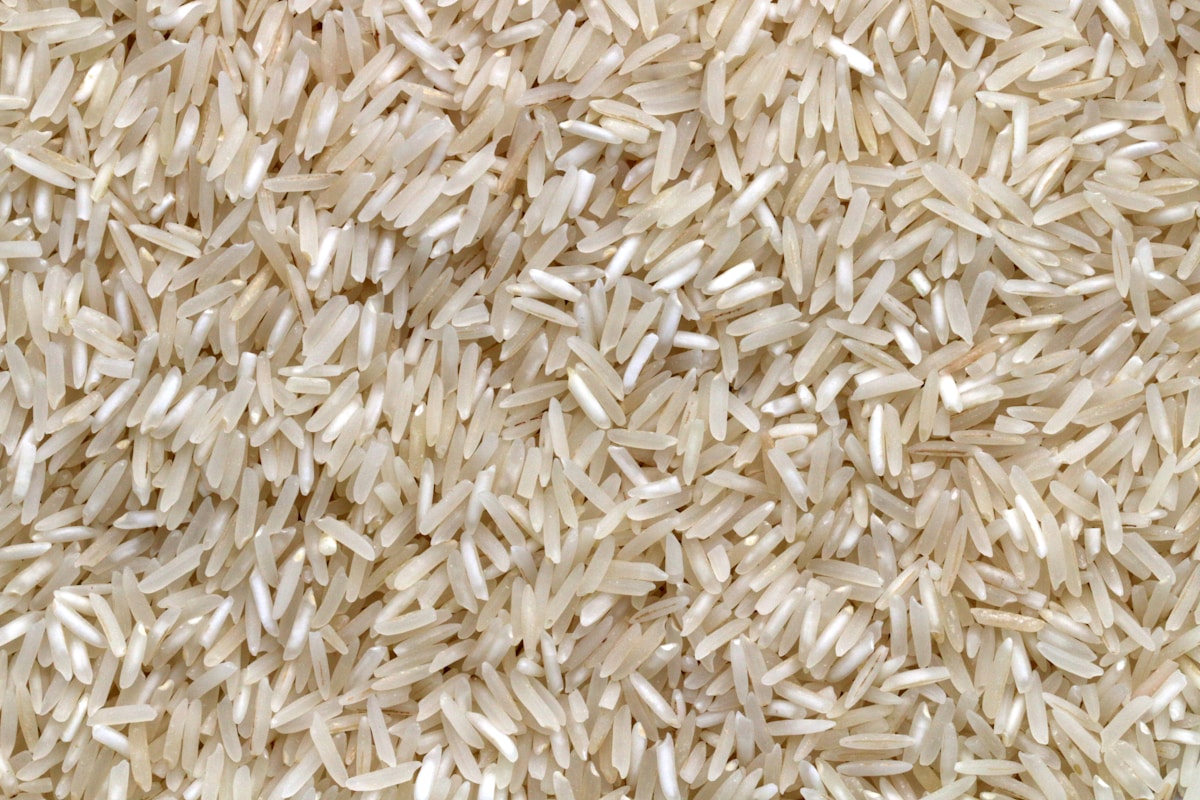
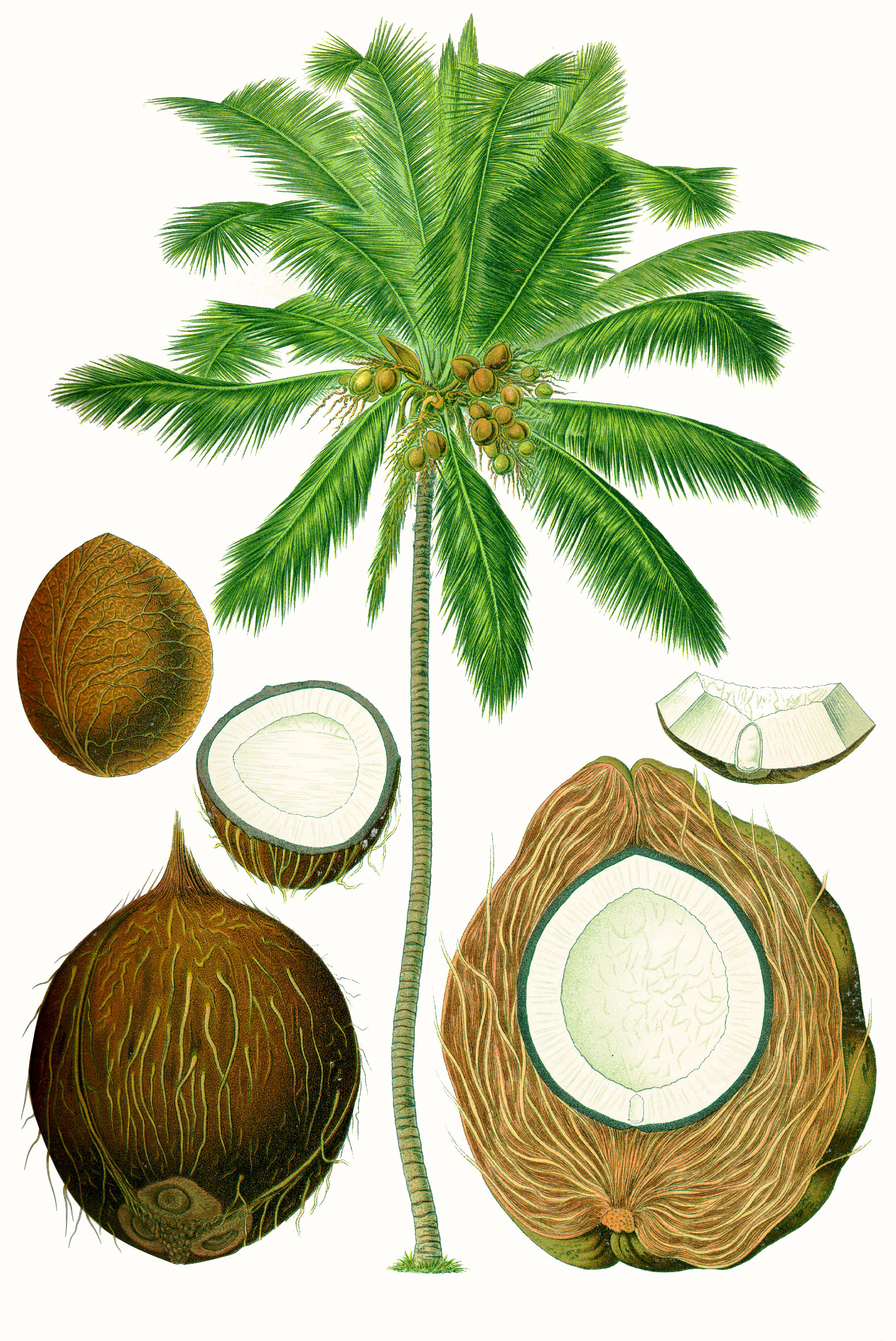
Appam is a fermented rice-batter food cooked in a curved pan. The cook swirls thin batter up the sides, creating crisp lace around a thicker, soft center. Coconut milk often enriches the batter, and toddy, a starter, or yeast provides fermentation [2][4].
The family includes Kerala palappam and Sri Lankan hoppers, alongside regional variants. One English recipe cannot stand for all of them.
A Coastal Food Without One Border
Appam belongs to the connected rice-and-coconut foodways of Kerala, Tamil-speaking regions, and Sri Lanka. Indian Ocean trade moved people, vessels, grains, and fermentation knowledge long before modern borders [1][3].
Claims assigning the food to one community alone simplify that shared coast. Regional ownership and difference can coexist.
Toddy, Yeast, and Fermentation
Palm toddy can ferment rice batter and add a distinctive aroma. Where toddy is unavailable or regulated, cooks use yeast, old batter, or other starters. Grinding and soaking methods also vary [4].
The substitution history is important. Modern yeast did not invent appam, but it changed reliability and made the food easier to reproduce in cities and diaspora kitchens.
Religion, Hospitality, and the Meal
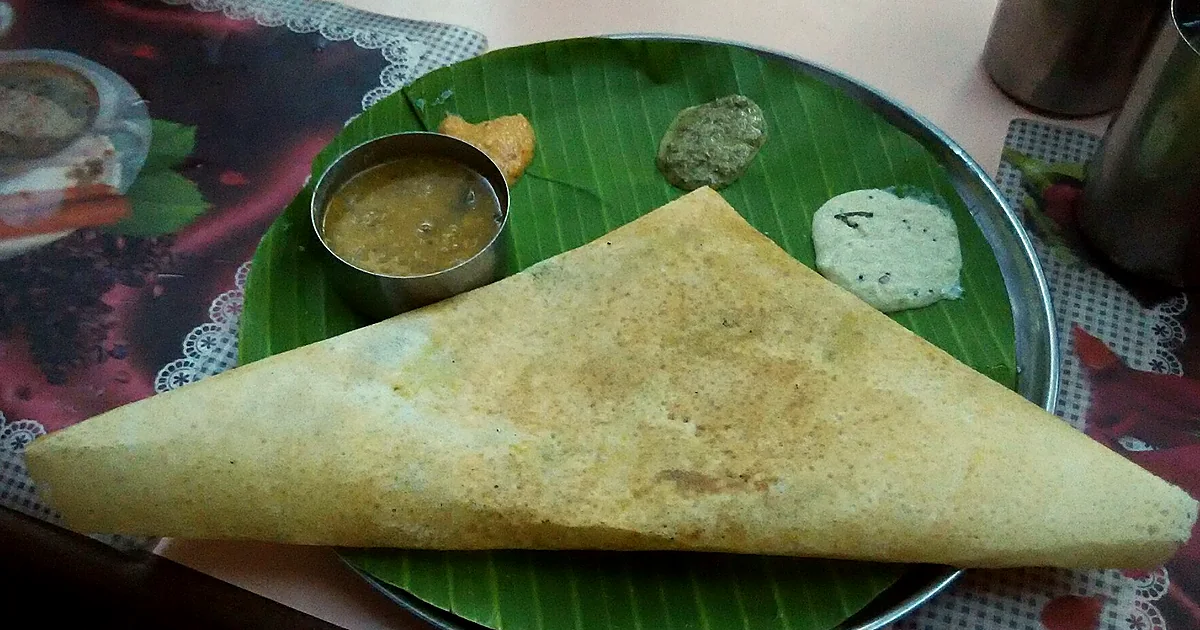
Appam appears in Syrian Christian feasts with stew, in Muslim and Hindu homes, and across Sri Lankan meals with sambols and curries. Its neutral fermented center absorbs sauce while the crisp edge adds contrast [2][3].
That versatility made it suitable for breakfast, celebration, and restaurant service. The bread's history is social as much as technical.
Appam Goes Global
Migration through plantation labor, Gulf employment, and diaspora communities carried appam pans and batter knowledge abroad. Restaurants introduced hoppers as dramatic edible bowls, while electric grinders reduced labor.
Global visibility should not flatten the family. Kerala appam, Sri Lankan hoppers, and related rice breads share techniques but retain distinct cultural homes.
Historical Timeline
Rice, coconut, fermentation, and curved-pan cooking develop across connected coastal communities
Appam becomes embedded in Kerala Christian, Muslim, Hindu, Tamil, and Sri Lankan meal traditions
Migration spreads hoppers and appam through plantations and port cities
Commercial yeast, grinders, and restaurants make the batter more predictable
Evidence Explorer
Review the Source Trail
Inspect the article sources, scoped review credits, and copyable citation details without leaving the page.
Reviewed for Stated Scope
Sources Listed
Comments
Community comments are coming soon. Check back later to join the discussion!