💡 Key Takeaways
- Jasmine tea is commonly tea leaf scented with blossoms rather than an herbal infusion of jasmine alone.
- The fragrance can require several timed scenting cycles.
- Chinese regions developed supply chains linking leaf makers, flower growers, weather, and packing.
- Modern floral drinks build on a skilled food craft rather than discovering a new flavor.
What Is Jasmine Tea?
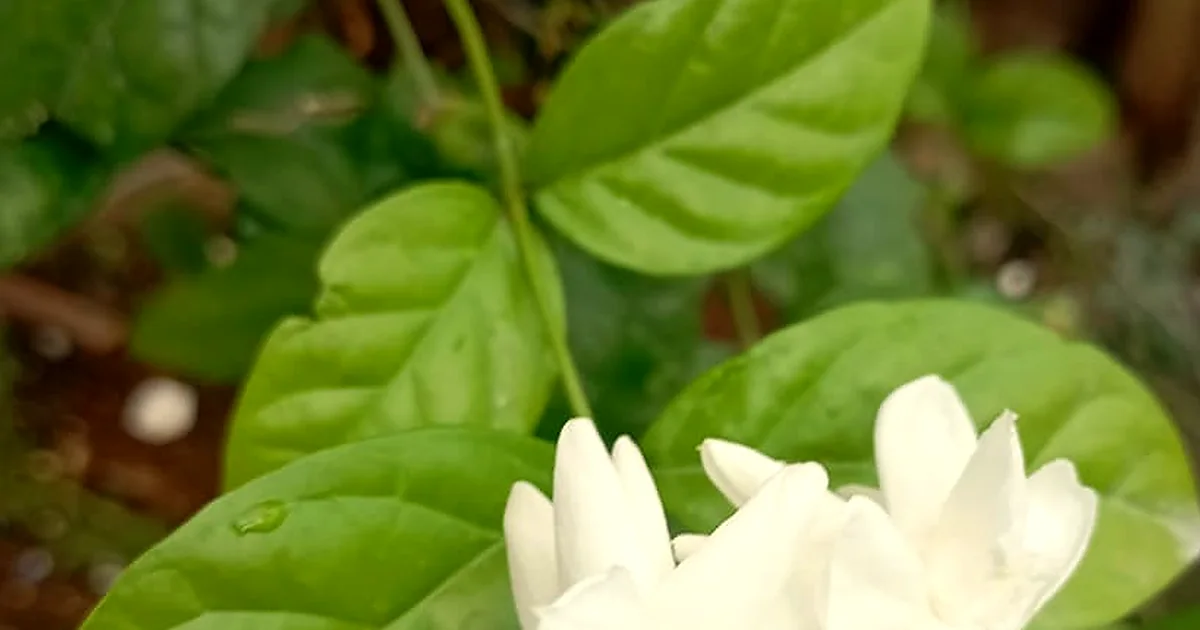
Jasmine tea is usually true tea — green, white, or occasionally another style — that has absorbed aroma from fresh jasmine blossoms. It is not the same as a caffeine-free herbal infusion made only from flowers [1][2]. Producers combine leaves and blossoms at chosen moments, allow scent transfer, then remove or reduce the flowers.
This explains why good jasmine tea can smell floral without tasting like artificial perfume. The flavor comes from interaction between processed leaf and living blossom rather than from a decorative flower sprinkled into a finished bag.
Where Did Jasmine Tea Originate?
Scented tea developed within China’s long tea history. Fujian became strongly associated with jasmine tea, while Guangxi is now an important flower-growing and production center. No single province or workshop represents every historical form [1][2].
The jasmine plants themselves connect China to older Asian plant movement. Food history therefore needs both sides: the botanical journey of the flower and the Chinese craft that made scenting into a repeatable tea technology.
How Tea Is Scented With Flowers
Jasmine blossoms release fragrance according to time and temperature. Makers layer or mix flowers with prepared tea, monitor the scenting period, separate the material, and may repeat the process several times. Moisture must be controlled so fragrance develops without damaging the leaf.
This labor is why jasmine tea should be treated as processed food craft, not merely flavored water. Leaf quality matters, but so do flower freshness, ratio, timing, drying, and storage.
From Export Tea to Modern Café Flavor
Jasmine tea traveled through export trade and Chinese migration, becoming familiar in restaurants and homes far beyond its production regions. Today it appears in milk tea, cold foam, desserts, cocktails, and fruit drinks.
Those adaptations can introduce new drinkers to tea, but they can also turn jasmine into a generic flavor note. The deeper story remains the Chinese scenting system that taught dry leaves to carry the fleeting aroma of a flower.
Historical Timeline
Scented teas become established within a wider Chinese tea culture
Regional producers refine commercial jasmine-scenting practices and routes
Jasmine tea travels through Chinese communities and export markets
Floral tea drinks and café menus renew interest in jasmine aroma
Evidence Explorer
Review the Source Trail
Inspect the article sources, scoped review credits, and copyable citation details without leaving the page.
Sources Listed
Comments
Community comments are coming soon. Check back later to join the discussion!