💡 Key Takeaways
- Kombucha is fermented sweet tea produced by yeasts and acetic-acid bacteria.
- Popular claims placing its invention in one ancient Chinese court are repeated more confidently than the evidence allows.
- The rubbery SCOBY is a cellulose-rich fermentation structure, not a mushroom.
- Its current global identity was shaped heavily by late twentieth-century home brewing and commercial wellness markets.
What Is Kombucha?
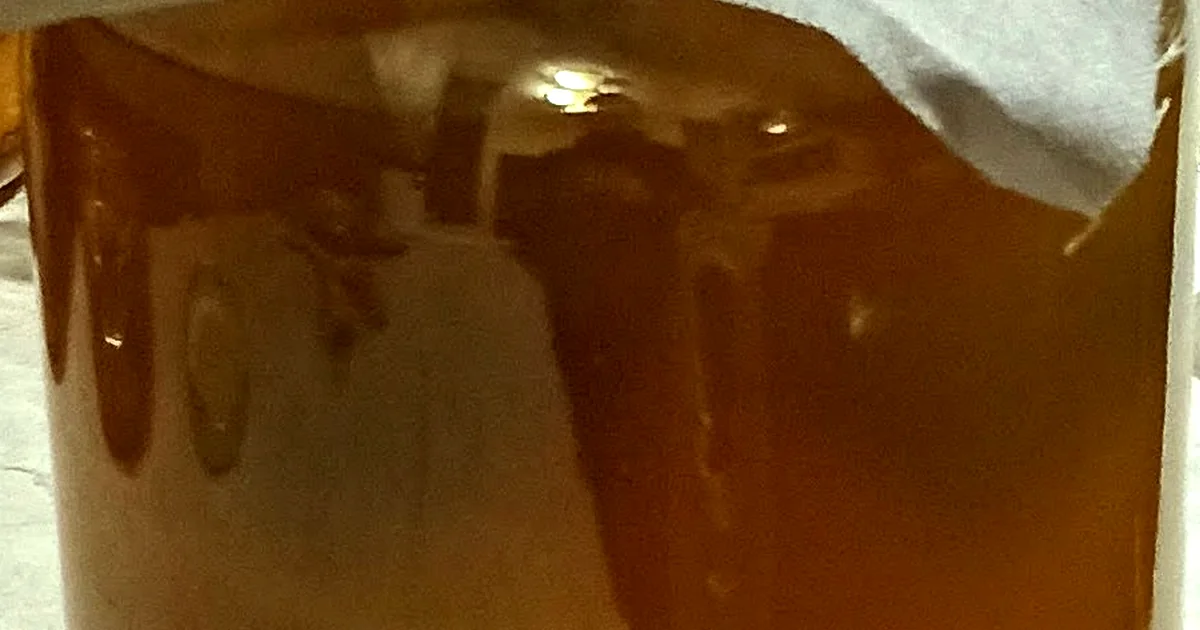
Kombucha is sweetened tea fermented by a mixed community of yeasts and acetic-acid bacteria. Yeasts break sugars into alcohol and carbon dioxide; bacteria convert much of the alcohol into organic acids and produce a floating cellulose layer [1][3]. That layer is commonly called a SCOBY.
It is often nicknamed a mushroom, but it is not a fungus fruiting body. The culture is a microbial ecosystem whose composition changes with tea, sugar, temperature, vessels, and local handling.
Where Did Kombucha Originate?
Many summaries give kombucha a precise ancient Chinese date or attach it to an emperor or physician. Those accounts are difficult to trace to contemporary evidence. Fermented tea traditions certainly have Asian histories, but the direct line from one ancient court to every modern bottle is not established [1][4].
Documented modern spread is clearer. Related tea ferments circulated through Russia and Europe, and domestic cultures were passed from household to household. The uncertain early record should be presented as uncertainty rather than filled with a satisfying legend.
How the SCOBY Works
A kombucha culture is cooperative and competitive at once. Yeasts make compounds that acetic-acid bacteria can use; acidity then discourages many unwanted microbes. The cellulose mat forms at the air-liquid boundary, where oxygen supports acetic fermentation [3].
The system resembles vinegar more than beer in its later stage, although finished kombucha retains tea flavor, sweetness, carbonation, and small amounts of alcohol. Commercial producers control refrigeration, flavoring, and packaging to keep the drink stable.
From Home Jar to Wellness Industry
Late twentieth-century counterculture and home-fermentation networks helped kombucha spread in Europe and North America. Refrigerated beverage companies later standardized flavors, carbonation, and branding, turning a passed culture into a premium bottle.
Health claims drove much of that growth, but historical interest does not require medical promises. Kombucha matters because an unstable household ferment became a regulated commercial drink while preserving the visible idea of a living culture.
Historical Timeline
Fermented tea drinks circulate in parts of East and Northeast Asia, though exact kombucha lineages remain difficult to document
Tea-ferment cultures appear in Russian and European domestic and medical writing
Home-fermentation networks spread cultures through Europe and North America
Commercial kombucha becomes a refrigerated beverage and wellness category
Evidence Explorer
Review the Source Trail
Inspect the article sources, scoped review credits, and copyable citation details without leaving the page.
Sources Listed
Comments
Community comments are coming soon. Check back later to join the discussion!