💡 Key Takeaways
- Hojicha is green tea roasted after initial processing, not a fully oxidized black tea.
- Roasting can use mature leaves, bancha, or stems, turning lower-priced material into a distinctive product.
- Regional Kaga bocha preserves an important stem-roasting tradition.
- Modern lattes and desserts expanded the audience without creating the tea.
What Is Hojicha?
Hojicha is Japanese green tea roasted after the leaves have been steamed or otherwise processed. The roasting turns the dry leaf brown and the brewed liquor amber, replacing much of green tea's grassy character with toasted, woody, caramel-like aromas. It is still green tea by processing lineage; the dark color does not make it black tea [2].
Bancha, mature leaves, stems, and other tea material can become hojicha. The technique shows how heat creates value: roasting transforms ingredients that might command a lower price into a recognizable beverage.
Where Did Hojicha Come From?
Hojicha is modern compared with Japan's medieval tea culture. Accounts often place commercial roasting in Kyoto in the early twentieth century, while regional Kaga bocha in Ishikawa preserves its own late-nineteenth-century history. Exact “first” claims depend on whether the writer means household roasting, a named product, or commercial sale [1].
The safer history is convergence. Expanded tea production created leaves and stems; merchants and households used roasting to improve aroma, reduce waste, and make an accessible daily tea.
Roasting as Flavor Technology
Roasting changes tea through heat-driven reactions that create volatile aroma compounds, including pyrazines associated with toasted smells. Temperature, time, leaf grade, and stem content affect the cup. Too little heat leaves raw notes; too much can flatten the tea into ash [1].
This balance makes hojicha a craft rather than a disposal method. It also connects tea to coffee, cacao, bread crust, and roasted grains: very different ingredients can develop familiar warm aromas through controlled heat.
Kaga Bocha and Regional Identity
Kaga bocha is a regional roasted stem tea associated with Ishikawa Prefecture. MAFF describes its fragrance and the use of stems, documenting how a specific local product developed within Japan's wider tea economy [1]. The stem focus distinguishes it from generic leaf-heavy hojicha.
Regional names matter because global café menus often reduce hojicha to one powder flavor. Kaga bocha, Kyoto-style roasting, and producer-specific blends show that origin, raw material, and roast profile create meaningful variation.
From Everyday Tea to Global Café Flavor
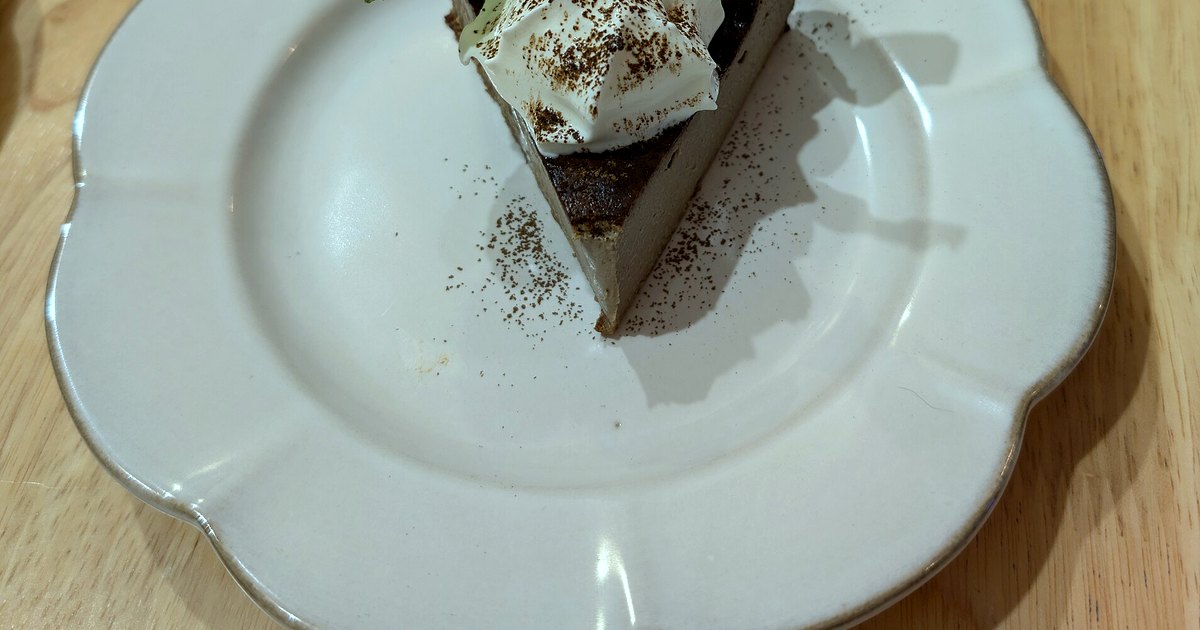
Hojicha has long been an everyday drink, valued for its warm aroma and compatibility with meals. Modern cafés turned it into lattes, powders, ice cream, cakes, and syrups. The roasted profile translates easily into dairy and sweets because consumers already recognize caramel and toast notes.
The new market should not overwrite the older one. Hojicha is not matcha's brown substitute. It is a separate roasting tradition with its own regional materials, brewing habits, and history of turning ordinary tea into something fragrant and comforting.
Historical Timeline
Japanese tea production and export create large streams of leaves and stems suitable for roasting
Regional roasting practices, including Kaga bocha, become established
Hojicha becomes a familiar everyday tea served at home and in restaurants
Cafés and confectioners use hojicha in lattes, ice cream, cakes, and savory applications
Evidence Explorer
Review the Source Trail
Inspect the article sources, scoped review credits, and copyable citation details without leaving the page.
Reviewed for Stated Scope
Sources Listed
Comments
Community comments are coming soon. Check back later to join the discussion!