💡 Key Takeaways
- Modern tepache is usually a lightly fermented pineapple drink, often made from peel.
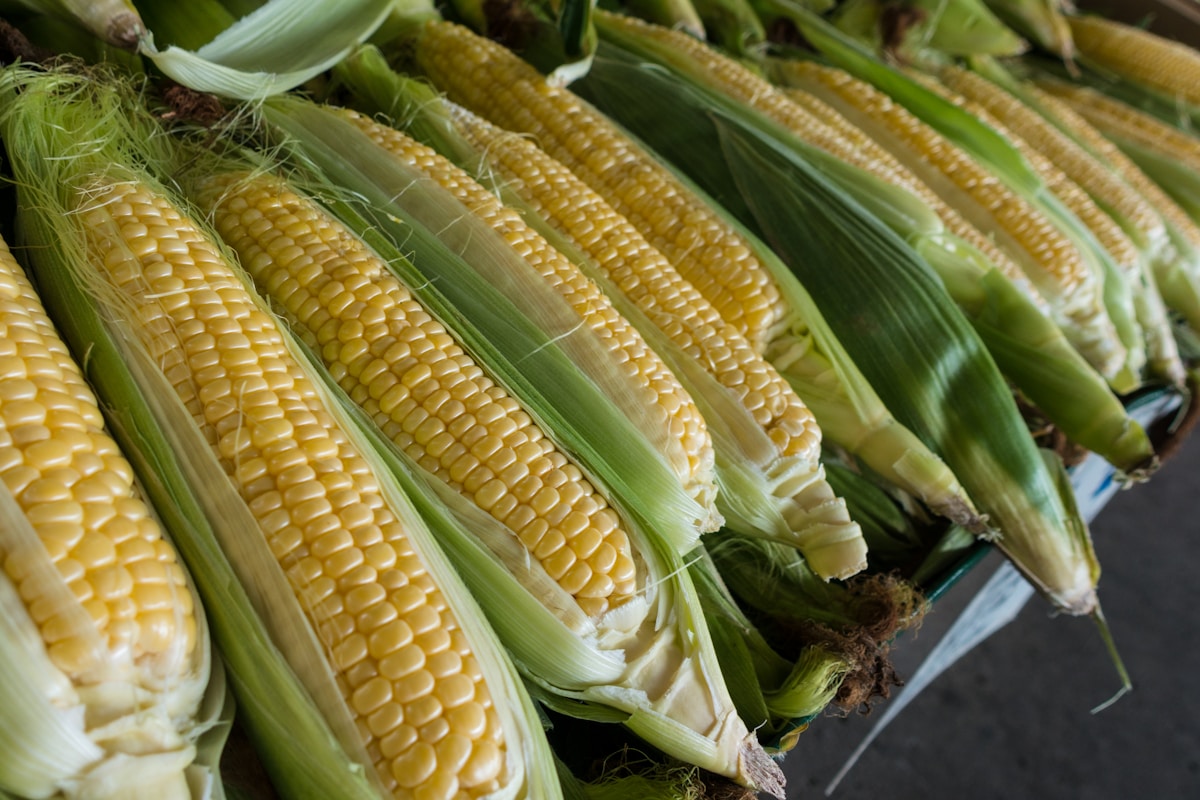
- The word has older associations with maize-based drinks, so pineapple tepache is not a simple pre-Columbian survival.
- Pineapple, cane sugar, and colonial food systems helped create the present form.
- Home fermentation can produce variable alcohol and pressure.
What Is Tepache?
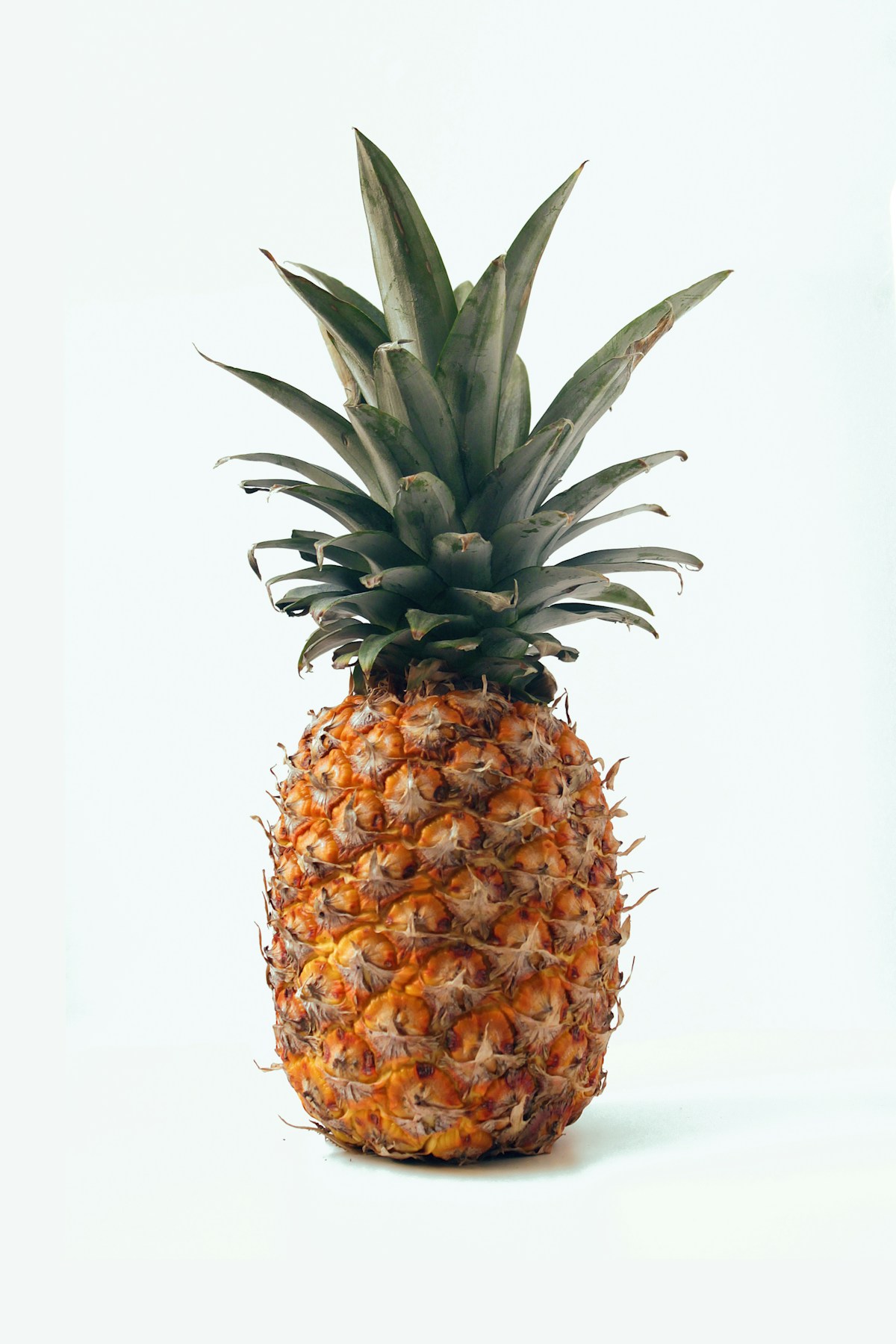
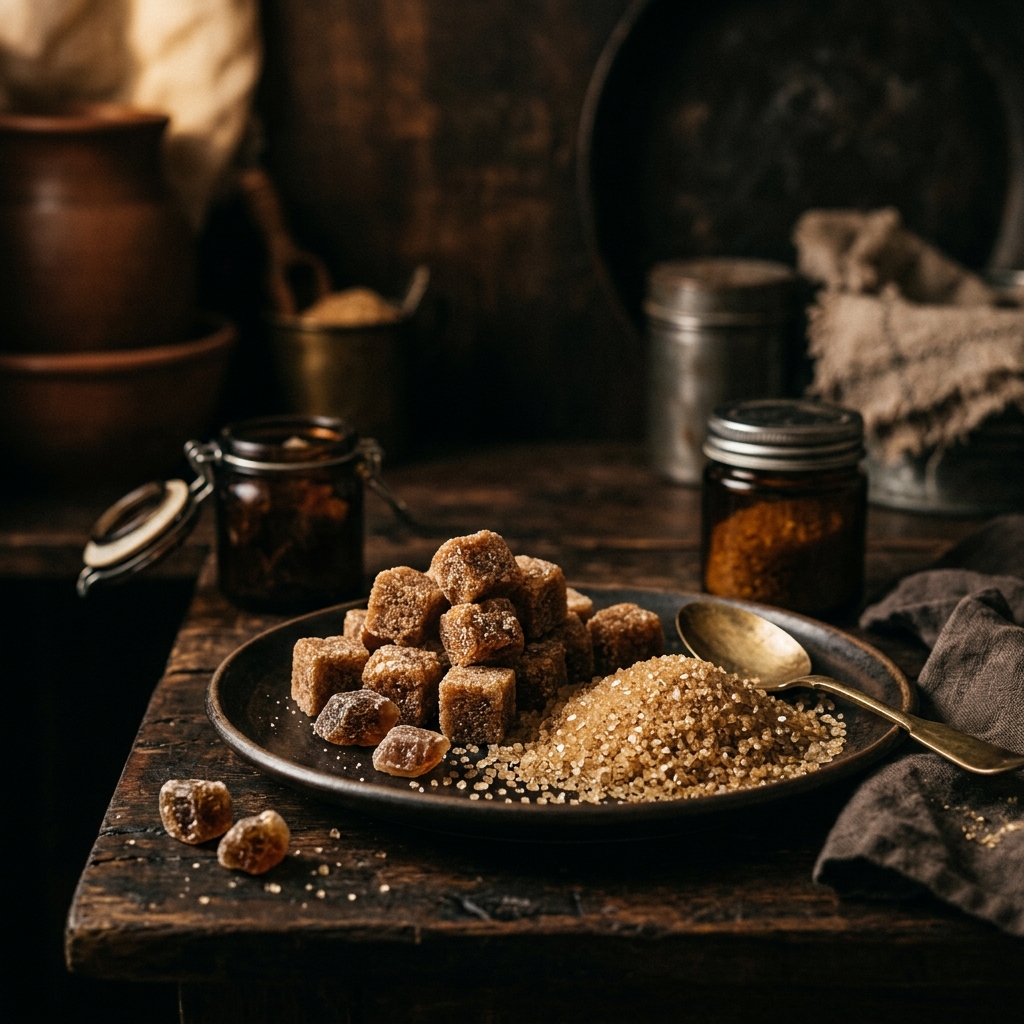
Modern tepache is commonly made by fermenting pineapple rind or pieces in water with piloncillo or another sugar, sometimes with cinnamon or cloves. Naturally present yeasts and bacteria acidify the liquid and create light carbonation. The result is sweet-sour, aromatic, and usually consumed young [1][2].
Recipes vary in fruit, sugar, spice, and fermentation time. A home batch can continue producing alcohol and gas, so it should not be described as universally non-alcoholic.
Was Tepache Always Made From Pineapple?
No. The name tepache has been connected to older Mexican fermented drinks, including maize-based preparations. Pineapple is American, but the present combination of pineapple rind and cane sugar belongs to colonial and postcolonial change rather than an unchanged pre-conquest recipe [3].
That distinction makes the history more interesting. An old beverage category absorbed new crops, sugars, and market conditions. Tepache survived by changing its material form.
Why Pineapple Rinds Became Useful
Pineapple peel carries sugars, aroma, microorganisms, and enough structure to flavor water. Fermenting it extracts value from a part often discarded after the flesh is sold or eaten. Piloncillo supplies additional fermentable sugar and a darker cane flavor.
This is not merely zero-waste branding invented today. Market and household cooks have long turned peels, bread, whey, and surplus fruit into drinks. Modern sustainability language gives an old practice a new vocabulary.
Street Drink, Household Ferment, Commercial Product
Tepache has lived in homes, markets, street stalls, restaurants, and now cans. Each setting changes the process. A vendor may prepare large batches for quick sale; a household adjusts sweetness by memory; a commercial producer filters, controls fermentation, and packages for shelf life [4].
Those versions should not be treated as identical. Industrial consistency can widen access while reducing the living variability that defines small-batch fermentation.
Why Tepache Is Global Now
Tepache fits current interest in fermentation, Mexican regional foods, low-alcohol drinks, and whole-fruit use. Bartenders mix it into cocktails; breweries produce hybrid beverages; home fermenters value its short timeline.
The history prevents the trend from becoming appropriation by amnesia. Tepache is not a newly invented pineapple probiotic. It is a Mexican fermented-drink tradition shaped by Indigenous beverage knowledge, colonial crops, street commerce, household thrift, and modern reinvention.
Historical Timeline
Mesoamerican communities make diverse fermented maize and agave drinks
Pineapple and cane sweeteners become part of changing Mexican beverage traditions
Pineapple tepache is sold in markets and streets as an inexpensive refreshment
Restaurants and craft-fermentation brands revive tepache internationally
Evidence Explorer
Review the Source Trail
Inspect the article sources, scoped review credits, and copyable citation details without leaving the page.
Reviewed for Stated Scope
Sources Listed
Comments
Community comments are coming soon. Check back later to join the discussion!