💡 Key Takeaways
- Molasses is produced during sugar crystallization rather than being simply melted brown sugar.
- Its Atlantic history is inseparable from plantation slavery, colonial taxation, and rum.
- Blackstrap is a later, more bitter refining fraction rather than the universal historic form.
- Molasses remained valuable in baking, distilling, livestock feed, and industrial fermentation.
What Is Molasses?
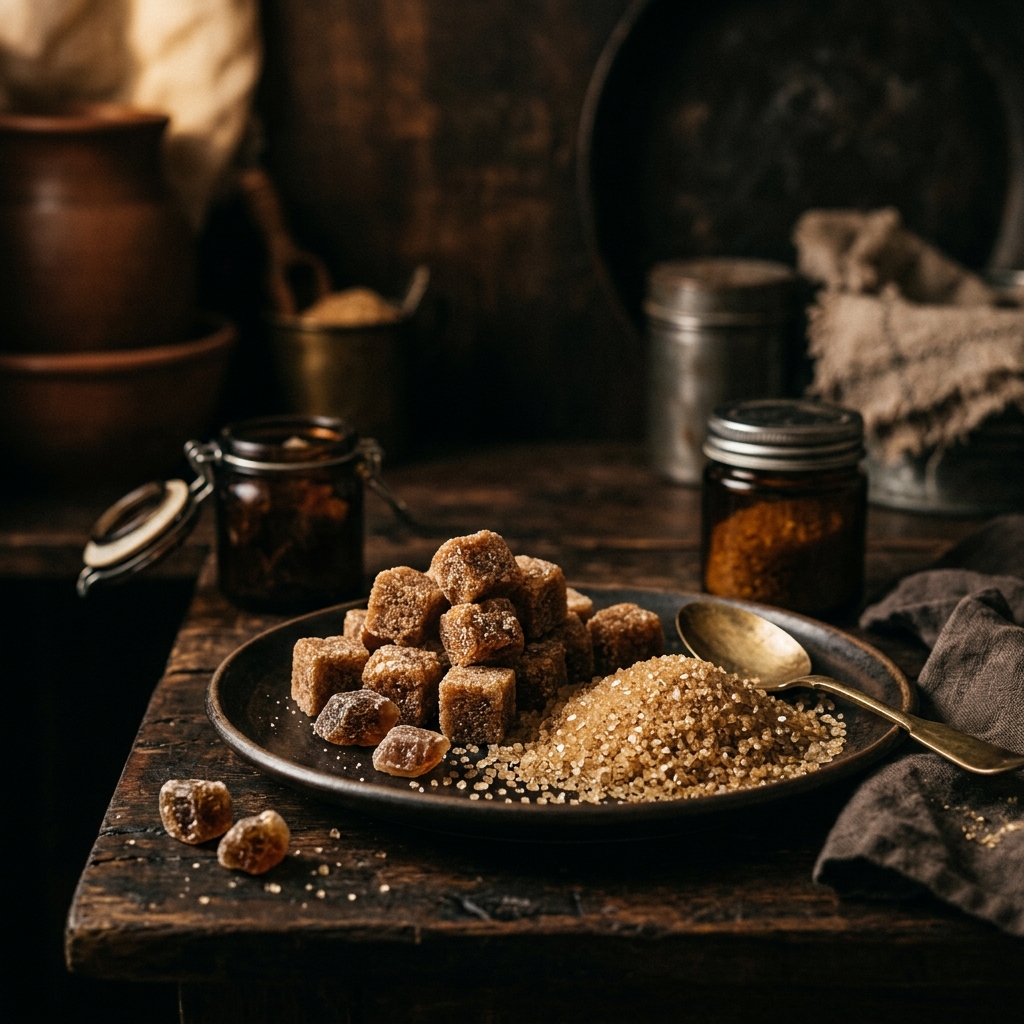
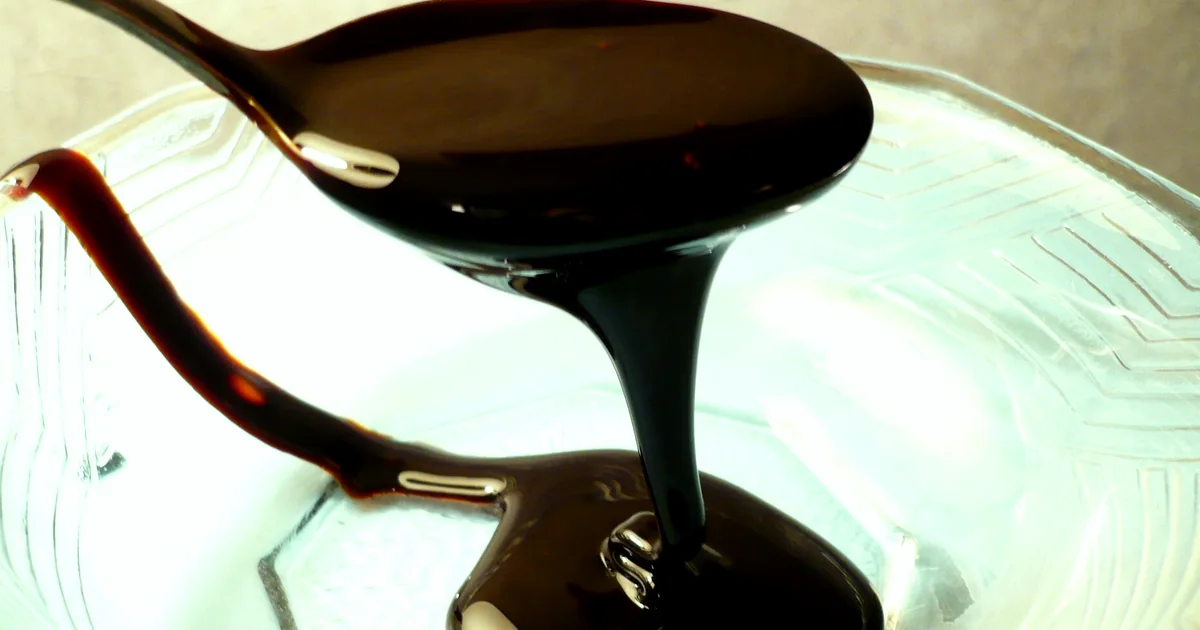
Molasses is the dark syrup left as sugar processors concentrate cane or beet juice and remove crystallized sugar. Repeated boiling changes the balance: later fractions contain less recoverable sucrose and stronger bitter, mineral, and roasted flavors [1][4].
That means molasses is not one fixed product. Light baking molasses, dark molasses, blackstrap, and regional cane syrups differ. The word may also overlap imperfectly with treacle, which has its own British commercial history.
How Molasses Became an Atlantic Commodity
As Caribbean cane plantations expanded, molasses became valuable rather than waste. New England distillers fermented it into rum, merchants moved it across imperial borders, and governments taxed it to control colonial trade [1][2].
This economy depended on enslaved African labor and violent plantation rule. The familiar triangular-trade diagram can oversimplify many routes, but it captures a real connection among captives, plantation sugar, molasses, rum, and Atlantic commerce.
Rum, Taxes, and the Molasses Act
Britain’s 1733 Molasses Act imposed duties on molasses imported into North American colonies from non-British islands. Smuggling and uneven enforcement followed because distillers wanted affordable feedstock. The law illustrates how a sticky refinery output became an instrument of imperial competition [1][2].
Molasses also supplied households with a cheaper sweetener than refined white sugar. Gingerbread, baked beans, dark breads, and sauces converted its robust flavor into regional cooking traditions.
The Boston Flood and Molasses Today
On January 15, 1919, a poorly designed storage tank burst in Boston’s North End. The flood killed 21 people, injured many more, and exposed failures of industrial safety and corporate responsibility [3]. It should be remembered as a labor and engineering disaster rather than a bizarre punch line.
Molasses remains useful in baking, distilling, animal feed, and industrial fermentation. Its history connects the sweetness of sugar to the darker systems that refining created alongside it.
Historical Timeline
Expanding cane-sugar refining produces syrups and residual molasses in Asian and Mediterranean systems
Caribbean plantation sugar and New England rum make molasses a major Atlantic commodity
Britain passes the Molasses Act to shape colonial trade toward British sugar islands
A storage tank ruptures in Boston, killing 21 people in the Great Molasses Flood
Evidence Explorer
Review the Source Trail
Inspect the article sources, scoped review credits, and copyable citation details without leaving the page.
Sources Listed
Comments
Community comments are coming soon. Check back later to join the discussion!