💡 Key Takeaways
- Palm sugar is a family made from several palms rather than another name for coconut sugar.
- Fresh sap must be collected and processed quickly, making tapping a skilled local technology.
- Blocks, cakes, pastes, syrups, and crystals reflect different regions and uses.
- Cane-sugar empires changed markets but did not erase local palm-sugar systems.
What Is Palm Sugar?
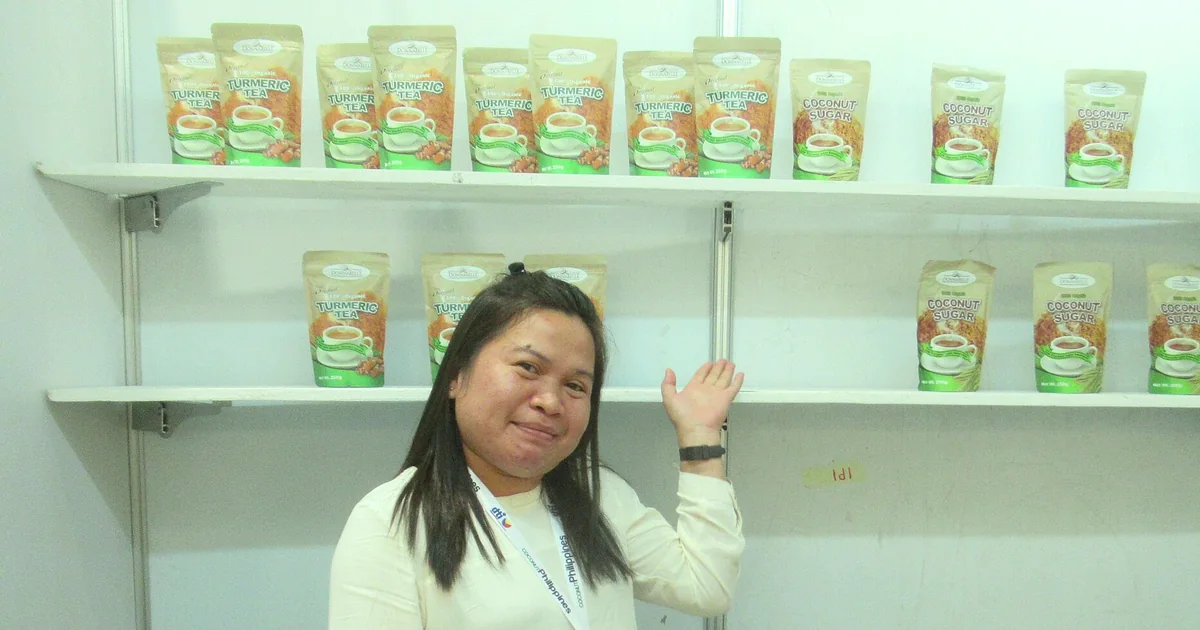
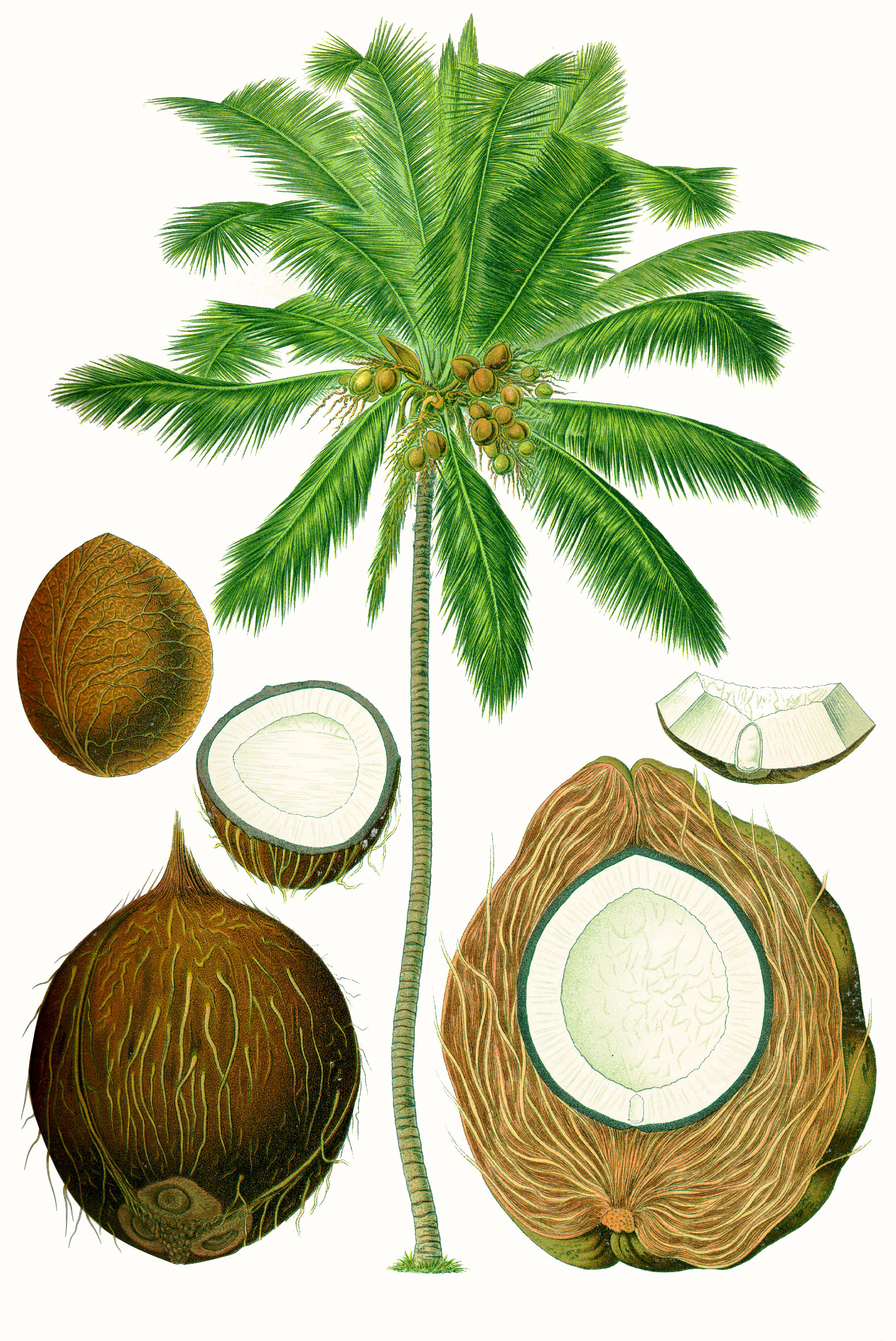
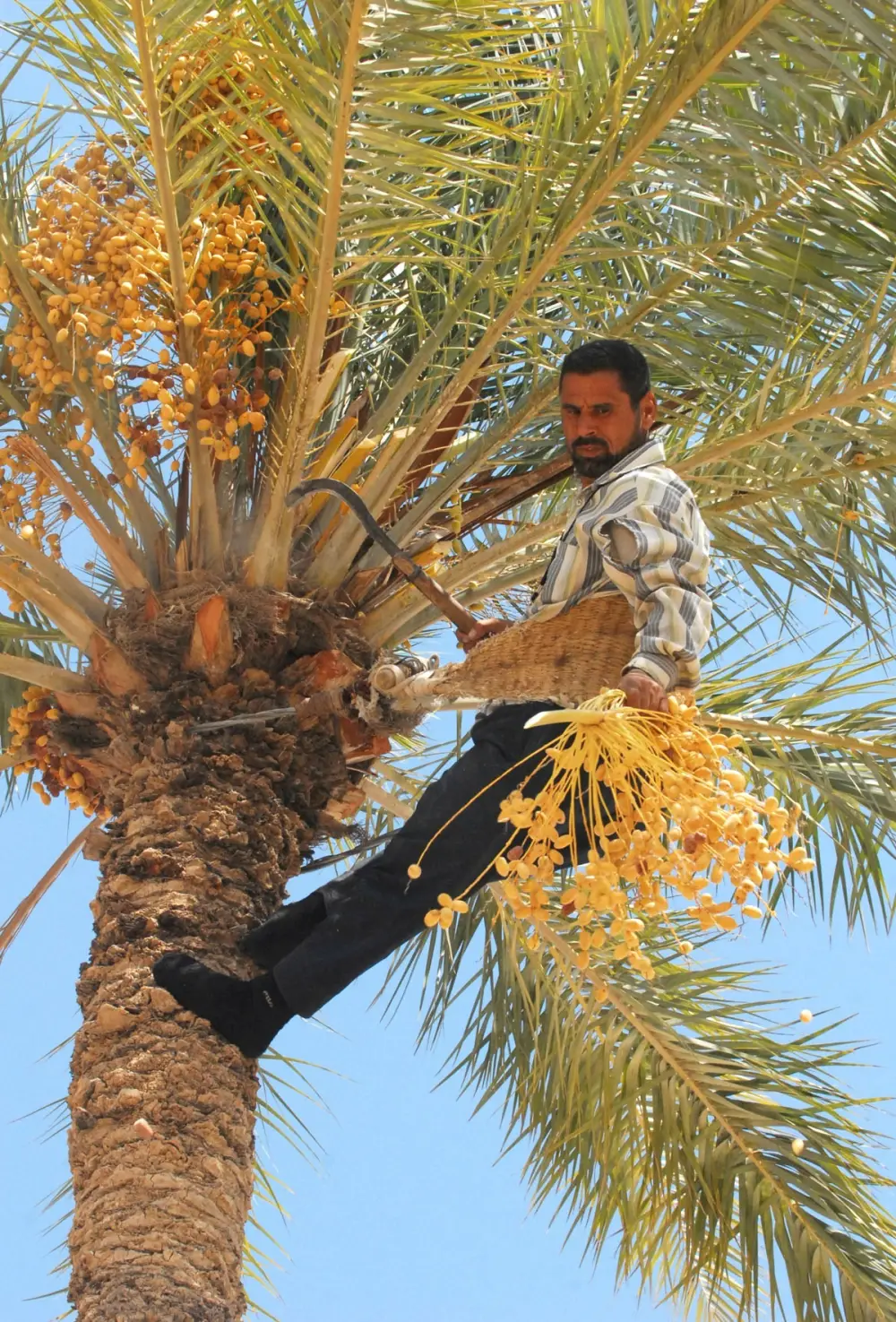
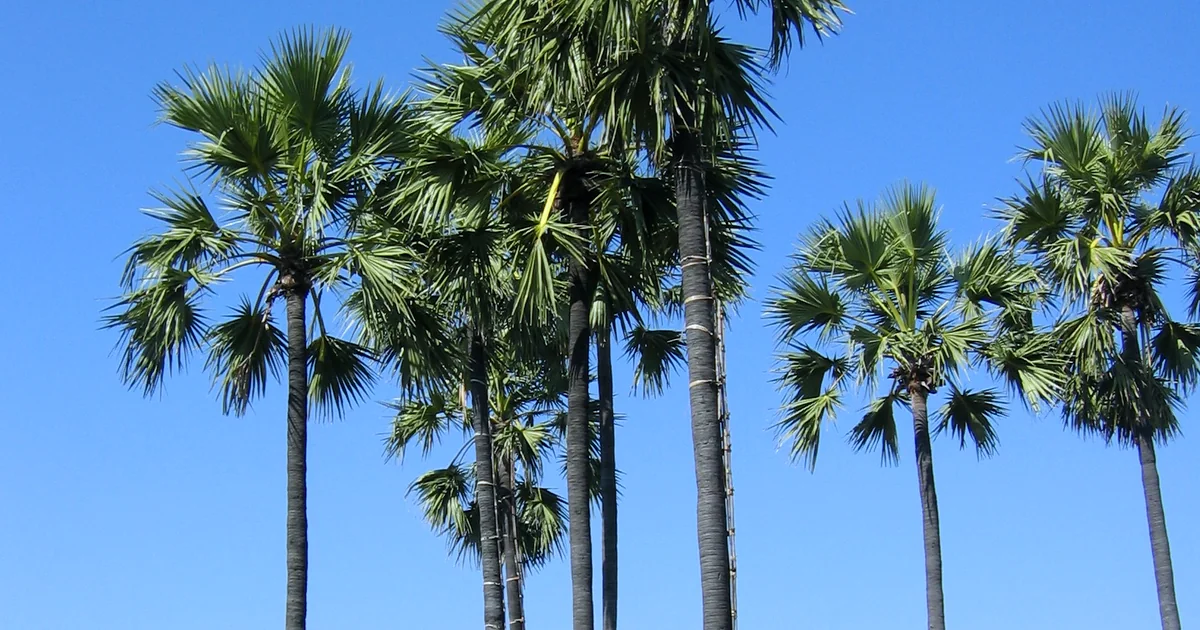
Palm sugar is made by concentrating sweet sap collected from the flowering stalks or trunks of several palm species. Coconut, palmyra, date, nipa, and other palms can all supply sap [1][2]. The category therefore names a method and plant family rather than one standardized ingredient.
Products may be poured into molds, beaten into paste, dried into crystals, or sold as syrup. Each form responds to local climate, fuel, storage, markets, and cooking needs.
How Palm Sap Becomes Sugar
Tappers cut or train flower stalks and collect dripping sap in containers. Fresh sap begins fermenting quickly in warm climates, so timing and vessel care are crucial. Boiling removes water and prevents the liquid from turning fully into alcohol or acid [3].
This work demands plant knowledge. A tap must keep producing without killing the palm, and the cook must concentrate sugar without scorching it. Palm sugar is therefore an agricultural craft as much as a sweetener.
Coconut Sugar Versus Palm Sugar
Coconut sugar is palm sugar made from coconut-palm sap. It belongs inside the wider category but should not be used as a synonym for palmyra, date, nipa, or mixed palm sugars. Regional terms can be equally specific or flexible.
This distinction matters in recipes. A dark smoky block from one market can taste and melt differently from a light coconut-sap crystal sold in an export pouch. Substitution may work, but it is not historical equivalence.
How Cane Sugar Changed Palm-Sugar Economies
Colonial cane plantations and industrial refining made white sugar a globally traded standard. Palm sugars often remained tied to shorter local supply chains because fresh sap could not wait for distant factories [2][4].
Their modern revival reverses that relationship partly: what was local and ordinary can now be marketed abroad as artisanal and premium. The useful history keeps producers and regions visible instead of treating every brown block as an interchangeable wellness object.
Historical Timeline
Communities tap date, palmyra, and other palms for fresh sap, fermented drink, and cooked sweetener
Palm sugars circulate through South and Southeast Asian markets and culinary systems
Colonial cane-sugar expansion reshapes prices and labor while local palm production persists
Regional palm sugars enter premium export markets and alternative-sweetener retail
Evidence Explorer
Review the Source Trail
Inspect the article sources, scoped review credits, and copyable citation details without leaving the page.
Sources Listed
Comments
Community comments are coming soon. Check back later to join the discussion!