💡 Key Takeaways
- Pupusas belong to El Salvador’s national food identity while resting on older Mesoamerican maize technologies.
- Claims that one archaeological object proves the exact modern filled pupusa thousands of years ago go beyond the evidence.
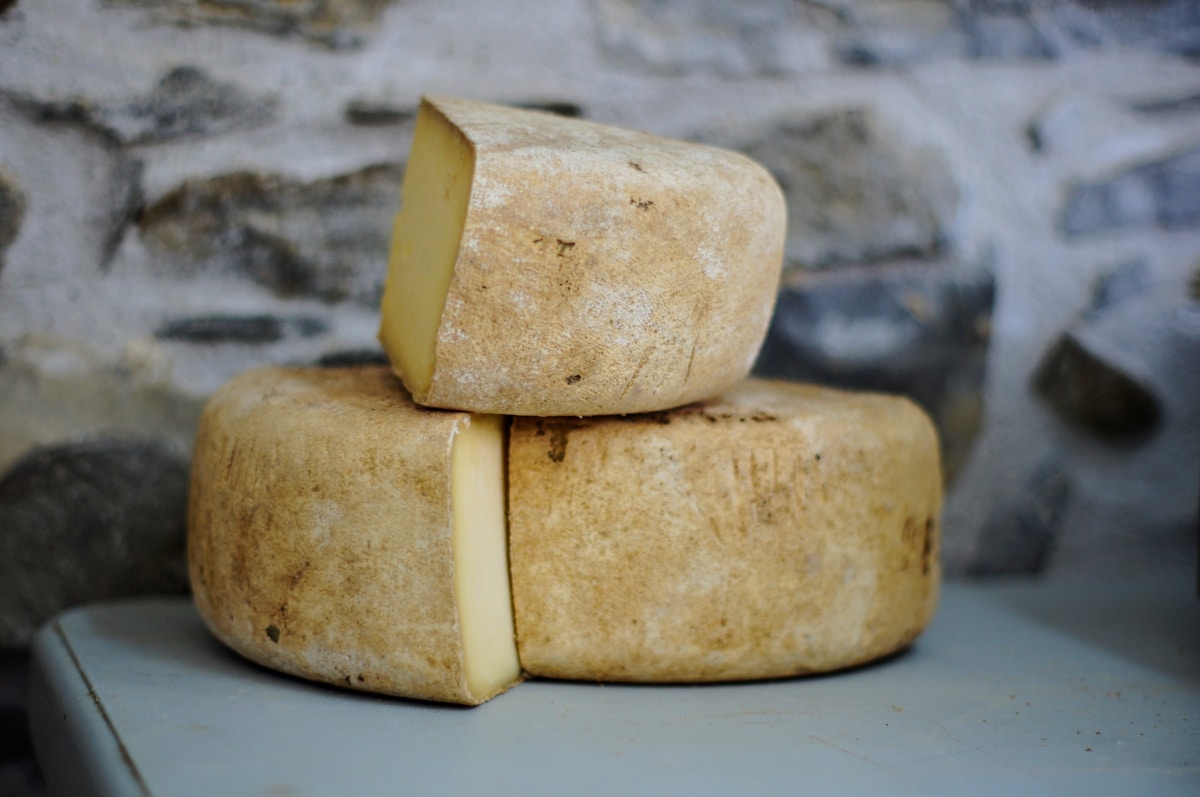
- Maize or rice dough can enclose cheese, beans, pork, loroco, and many other fillings.
- Migration turned pupuserías into important community businesses across the United States and beyond.
What Is a Pupusa?
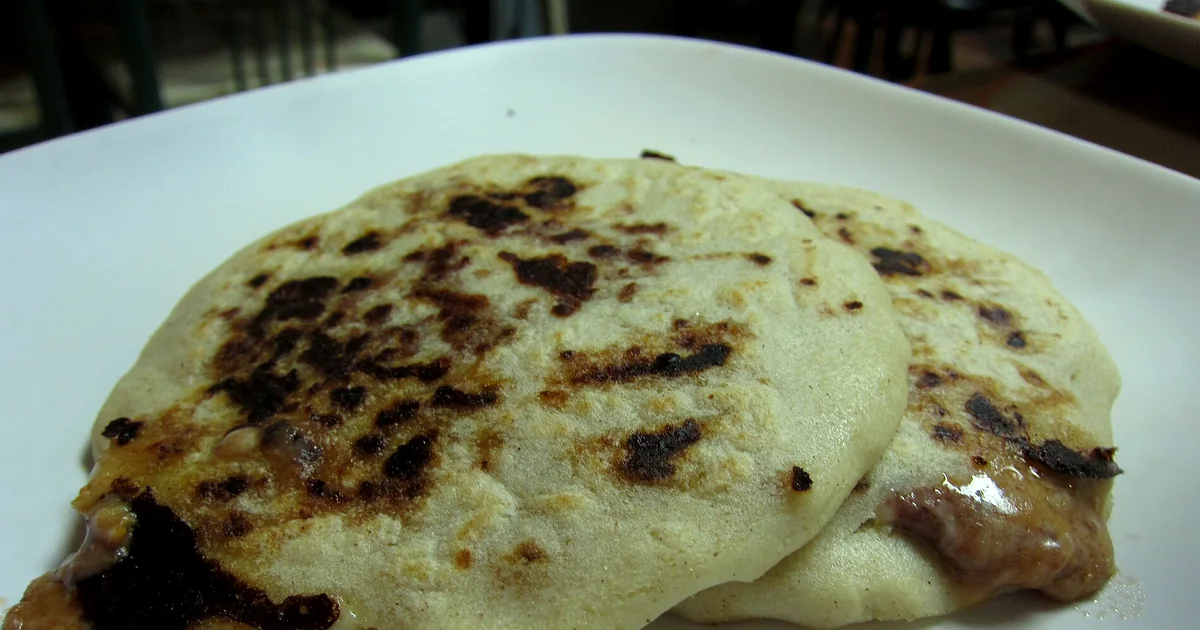
A pupusa is a thick cake of maize or rice dough filled before it is cooked on a griddle. Cheese, refried beans, seasoned pork, loroco flower buds, squash, herbs, and combinations of fillings are common. It is generally served with curtido and a light tomato sauce.
The technique distinguishes a pupusa from a tortilla used as a wrapper after cooking. Dough is shaped around the filling, flattened by hand, and griddled so the exterior toasts while the center steams and melts.
How Old Are Pupusas?
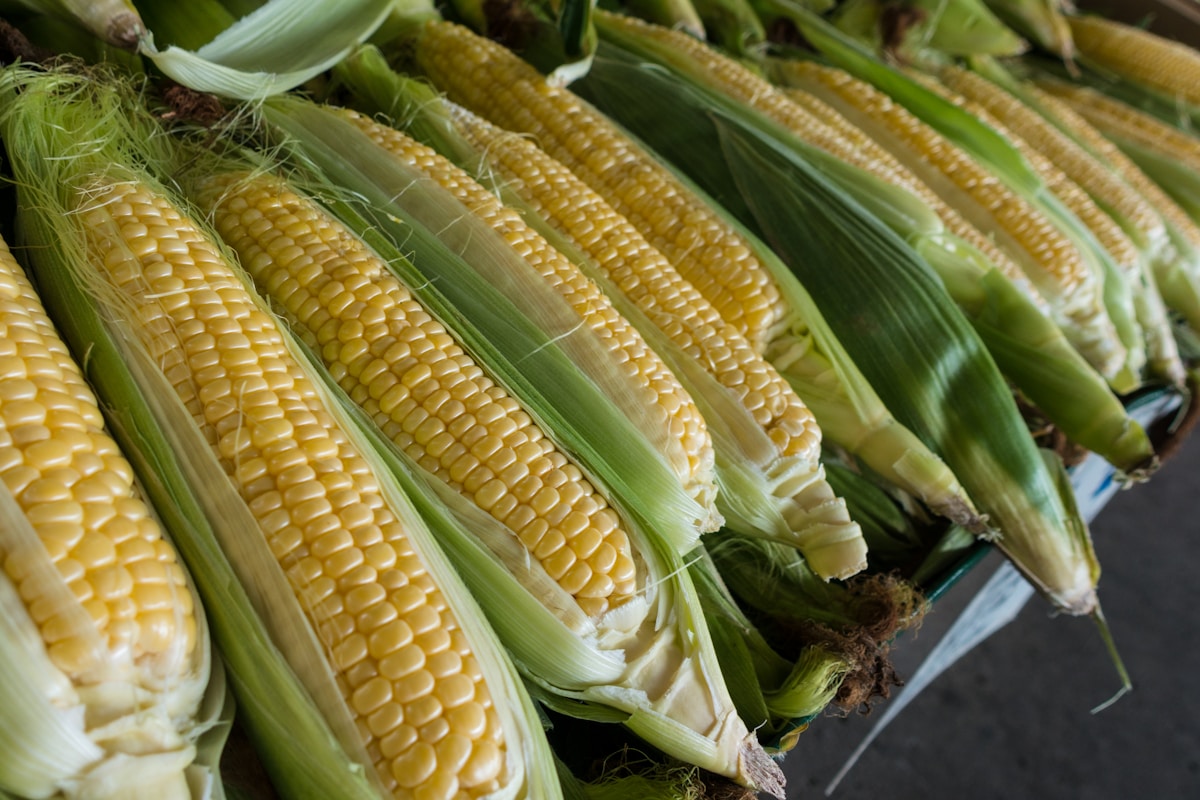
Pupusas rest on genuinely ancient Mesoamerican technologies: maize cultivation, nixtamalization, stone grinding, dough shaping, and clay griddles [1][4]. Archaeology and early records support a deep history of maize cakes, but they do not always prove that a modern cheese-and-bean pupusa existed unchanged at one ancient site.
The safest conclusion keeps both truths. Indigenous maize knowledge made the food possible, while colonial and modern ingredients, markets, and identities shaped the pupusa recognized today.
Why Pupusas Are Salvadoran
Neighboring Central American communities share maize techniques and related foods, which has produced modern debates about ownership. Pupusas are especially central to El Salvador’s national food identity, public festivals, street commerce, and family life [3].
That identity need not deny regional exchange. Foods become national through repeated social meaning, not because a border existed before the dish’s ingredients. Calling pupusas Salvadoran recognizes the community that made the form internationally legible.
Migration and the Pupusería
Civil war, economic displacement, and family migration carried Salvadoran cooks into the United States and other countries during the late twentieth century. Pupuserías became businesses, meeting places, and visible expressions of community.
Frozen pupusas and national restaurant menus now extend the format further, but the dish still points back to corn, beans, cheese, curtido, and the skilled hand motion that seals a filling inside dough.
Historical Timeline
Indigenous communities develop nixtamalized maize doughs, griddles, and diverse cakes and tortillas
Maize foodways persist while new animals, dairy, and political systems reshape fillings and markets
Pupusas become increasingly visible as a Salvadoran national street and household food
Salvadoran migration expands pupuserías across North America and other destinations
Evidence Explorer
Review the Source Trail
Inspect the article sources, scoped review credits, and copyable citation details without leaving the page.
Sources Listed
Comments
Community comments are coming soon. Check back later to join the discussion!