💡 Key Takeaways
- Salsa macha is a family of Mexican oil-based chile condiments rather than one fixed recipe.
- Veracruz is central to its modern identity, while ingredients reflect much wider trade histories.
- Peanuts and sesame entered Mexican food after transoceanic exchange; chiles are Indigenous American crops.
- Similarity to Asian chile oil does not by itself prove one direct invention line.
What Is Salsa Macha?
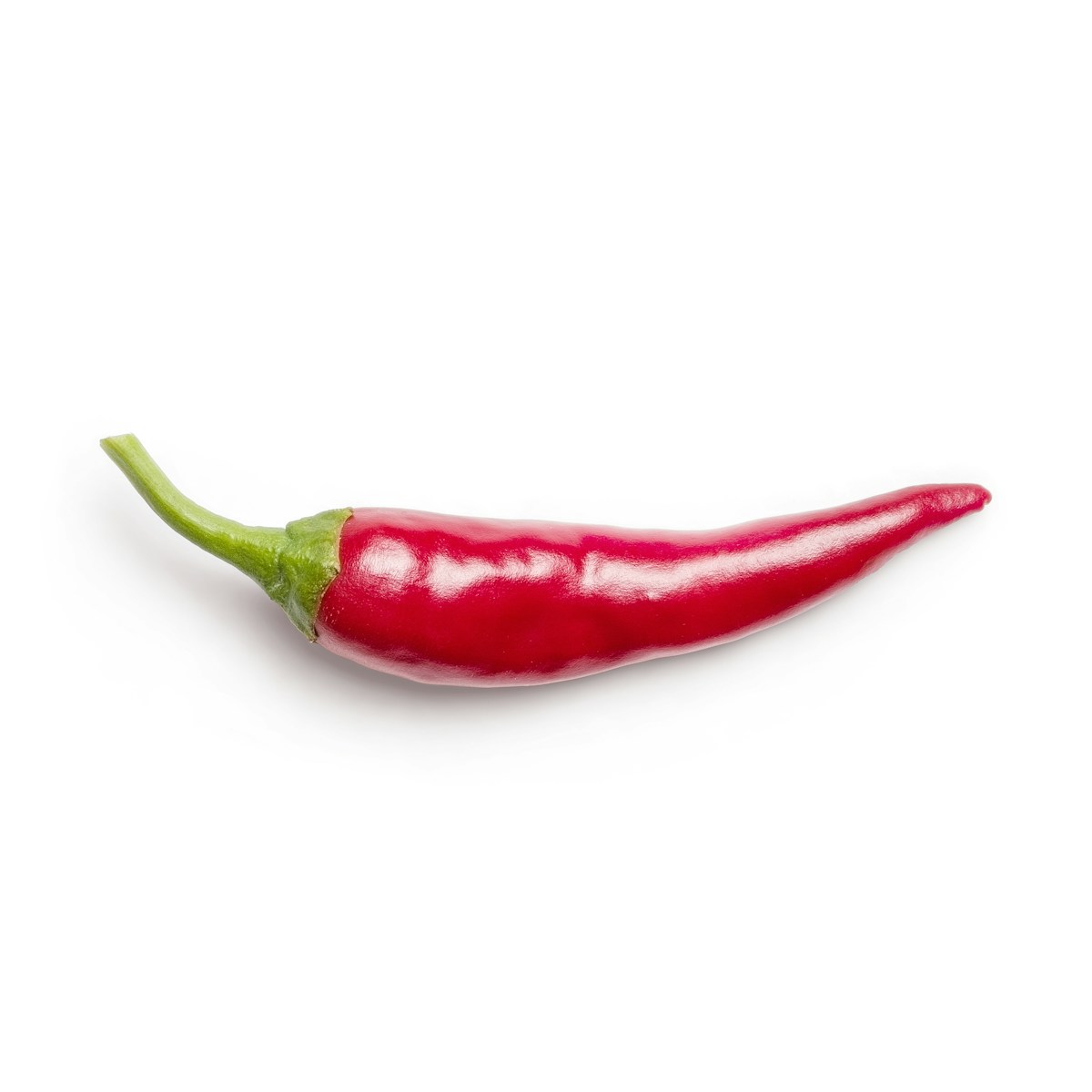
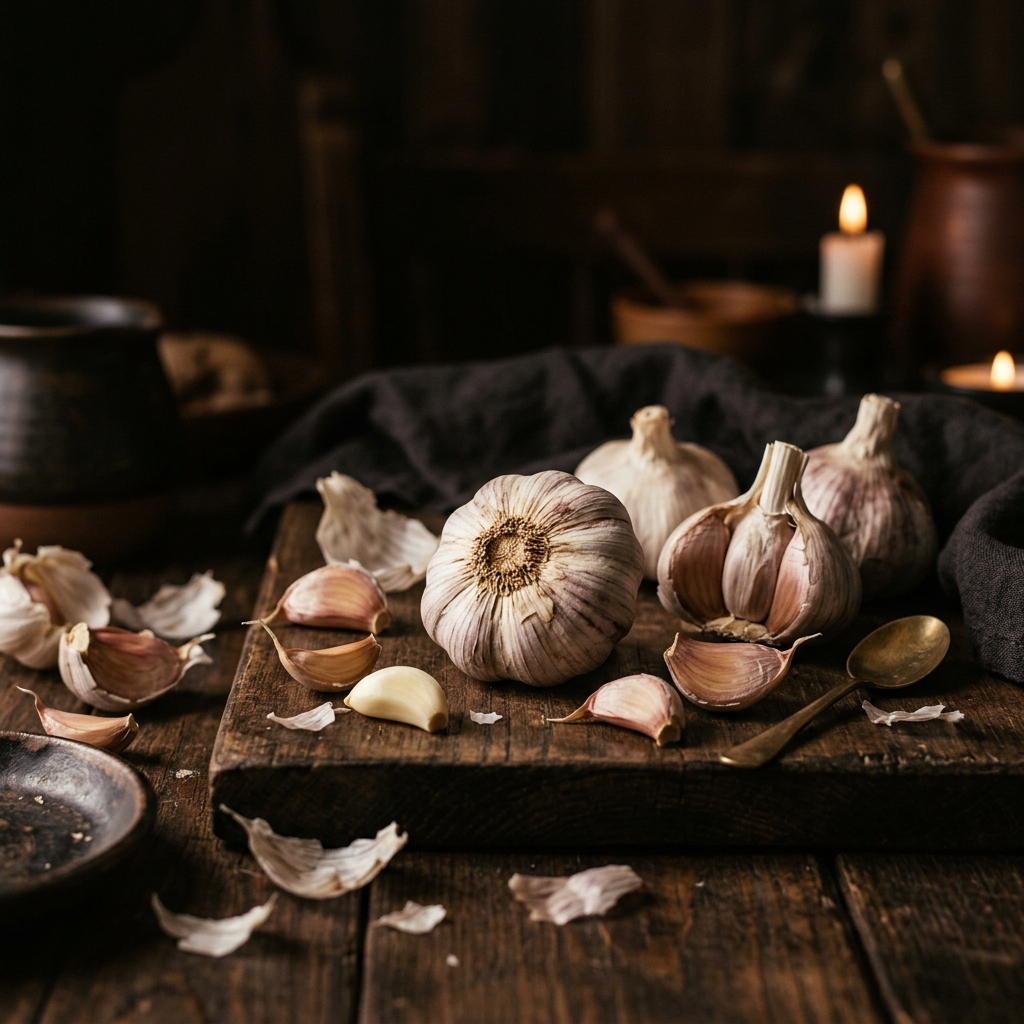
Salsa macha is a Mexican condiment made by frying or infusing dried chiles, garlic, nuts, seeds, and spices in oil. Recipes range from nearly smooth sauces to mixtures loaded with crunchy peanuts and sesame [2][3].
That flexibility is part of the category. Salsa macha is not defined by one chile or one texture. It is a technique for extracting dried-chile flavor into fat while preserving solid ingredients that can season tacos, seafood, eggs, vegetables, rice, and noodles.
Where Did Salsa Macha Originate?
Veracruz is strongly associated with salsa macha, and the state’s port history provides a useful context for ingredients arriving from several worlds. Chiles are Indigenous American crops; sesame and peanuts have their own transoceanic histories in Mexico [1][4].
One named inventor is not documented. Regional cooks assembled a condiment from ingredients and frying techniques available over time. The result is Mexican without requiring every component to have originated within modern Mexican borders.
Is Salsa Macha Mexican Chili Crisp?
Salsa macha and Chinese-style chili crisp can both combine chile, oil, aromatics, and crunchy solids. That similarity makes comparison useful, but it does not prove one is a copy of the other. Their chiles, oils, flavor bases, source cuisines, and histories differ.
Modern restaurant menus sometimes describe salsa macha as Mexican chili crisp because the phrase is instantly legible. Food history should use that as a bridge, then restore the condiment’s Veracruz and Mexican context.
How Salsa Macha Became a Global Pantry Item
The international rise of crunchy condiments created space for salsa macha in specialty stores and chef brands. Its shelf appeal is visual: red oil, toasted seeds, and crisp fragments promise texture before the jar opens.
That market growth can support regional recognition if labels identify makers and traditions. The deeper story links chili pepper, garlic, seeds, port trade, and Mexican sauce culture rather than treating salsa macha as a newly invented internet topping.
Historical Timeline
Indigenous communities cultivate and process diverse chiles in sauces and seasonings
Peanuts, sesame, new oils, and global trade routes enter Mexican food systems
Oil-based dried-chile condiments develop in regional kitchens, especially Veracruz
Restaurants and retail brands bring salsa macha into the global crunchy-condiment market
Evidence Explorer
Review the Source Trail
Inspect the article sources, scoped review credits, and copyable citation details without leaving the page.
Sources Listed
Comments
Community comments are coming soon. Check back later to join the discussion!