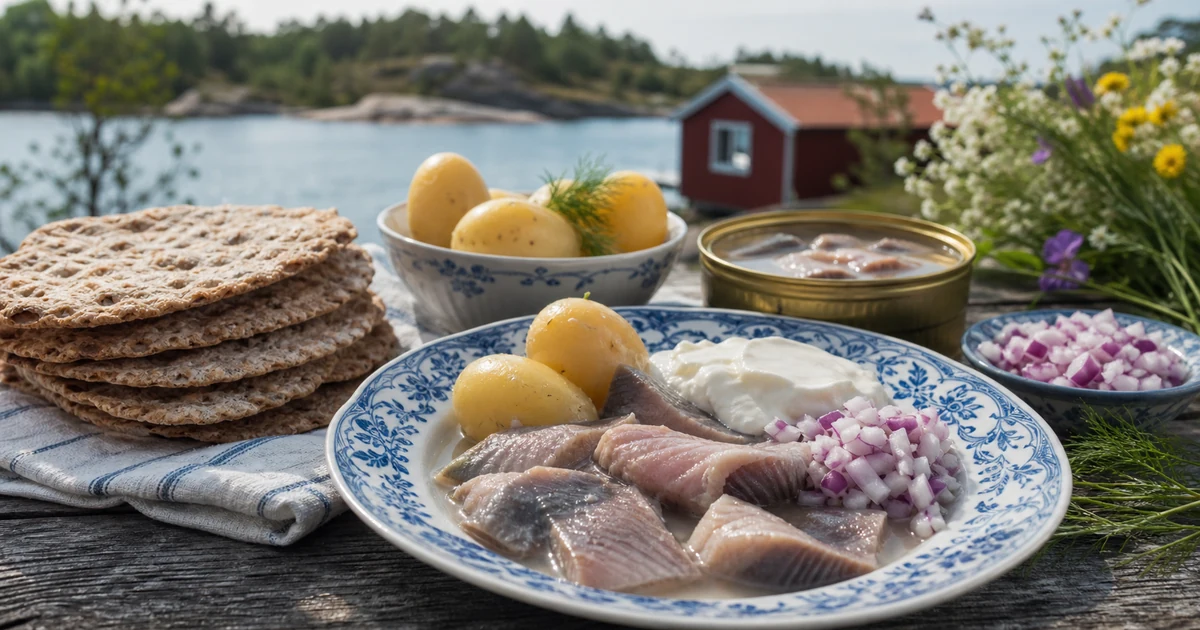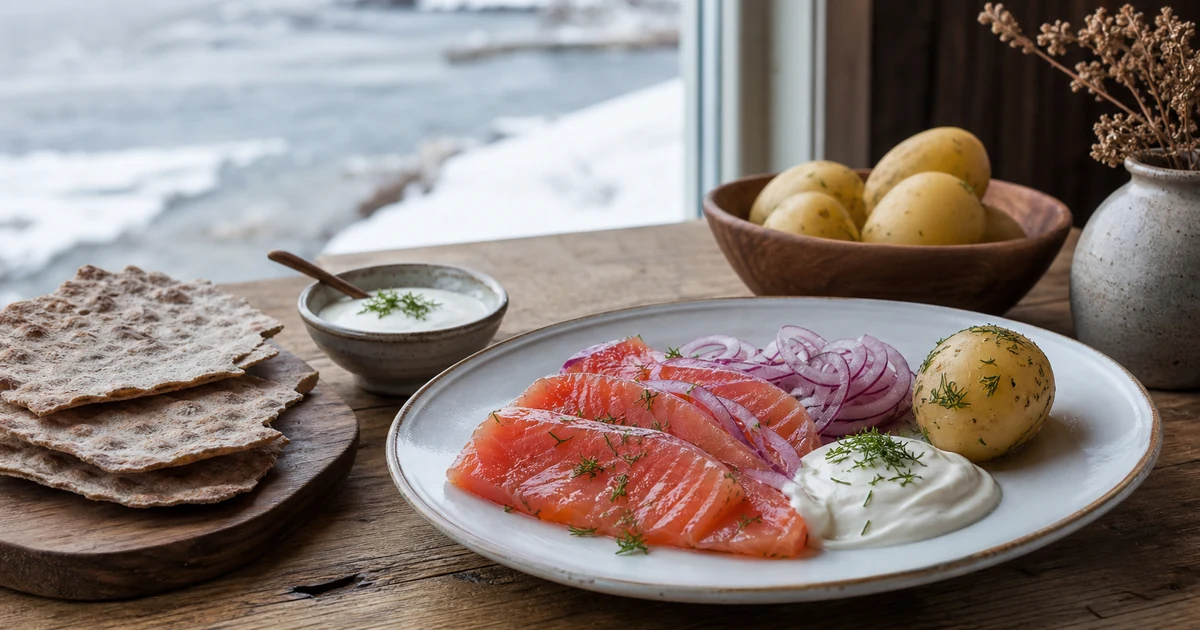
Slices of Norwegian rakfisk fermented trout with flatbread onion and sour cream
Image: The Foods That Shaped Us Research Desk · License

Rakfisk History: Norway’s Fermented Trout and the Discipline Behind Winter Food

How inland fish, salt, cool storage, mountain farms, Christmas markets, regulation, and sensory knowledge shaped a controlled Norwegian ferment

📍 Inland Norway, especially Valdres and neighboring mountain districts📅 Medieval documentary references and older preservation practice7 min read
Published: ·Updated: ·
Source and factual review: Mehdi IarabNorwegian fermented-fish terminology, cool maturation, regional history, and food-safety boundaries.
Rakfisk History: Norway’s Fermented Trout Tradition

💡 Key Takeaways

  • Rakfisk is salted freshwater fish matured cool, not simply rotten fish.
  • Its history belongs to inland mountain communities where fish had to last beyond the catch.
  • Temperature, salt, sanitation, and professional controls are essential because it is eaten uncooked.
  • Modern festivals turned a local winter food into a visible regional identity.

What Is Rakfisk?

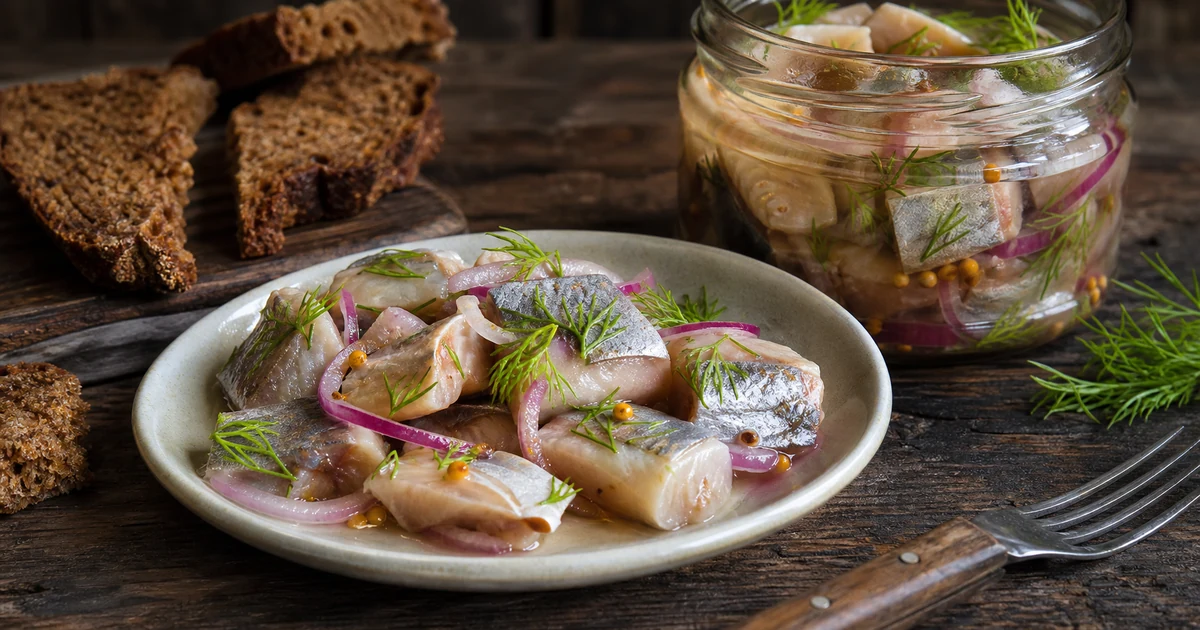
Rakfisk is Norwegian trout or char salted and matured for months under cool conditions, then eaten without further cooking. It is commonly served with flatbread or lefse, potato, onion, and sour cream [1][2].

Calling it rotten fish is inaccurate. The desired product results from controlled curing and fermentation; uncontrolled decomposition is failure.

An Inland Preservation Food

Norway’s coastal dried cod dominates international imagination, but inland communities depended on lakes and rivers. Seasonal catches had to survive into winter. Salted maturation offered a way to store fish when drying conditions, fuel, or transport differed from the coast.

Valdres became especially associated with rakfisk, though related practices existed across wider districts.

Salt, Temperature, and Controlled Change

Fish are cleaned, salted, packed with limited air, weighted, and held cold. Enzymes and salt-tolerant microorganisms alter texture and aroma over time [1][4]. Small changes in temperature or salt can change the microbial ecology.

Because the product is not cooked before eating, validated commercial controls and official safety guidance matter. Heritage is not a substitute for sanitation.

From Farm Cellar to Regional Festival

Twentieth-century refrigeration made temperature more controllable, while food law formalized production. Regional producers developed recognizable strength grades and festival markets. “Rakfisk fra Valdres” tied product reputation to place and documented methods [2].

Tourism changed the audience but did not invent the food. It made a seasonal preservation practice legible as regional heritage.

Rakfisk Today

Rakfisk remains a winter and holiday food, often eaten communally with beer or aquavit. Commercial supply makes it available beyond farm households, while public-health advice identifies people who should avoid high-risk uncooked foods [3].

The responsible story holds appetite and caution together: rakfisk is a technically demanding Norwegian ferment whose survival depends on disciplined modern production.

📜 Informational & Historical Context NoteHistorical systems of medicine, traditional remedies, and herbal applications discussed on this page (such as ancient Ayurvedic, Greek, or Egyptian practices) are presented purely for historical interest and cultural context. They are not intended as, and must not be taken as, modern medical or dietary advice. Always consult a qualified healthcare professional before making any wellness or nutritional decisions. Read our full Disclaimer.

Historical Timeline

Medieval Norway

Written evidence and place-based practice document salted matured freshwater fish

Premodern mountain farms

Households preserve trout and char for winter storage and exchange

20th century

Refrigeration and regulation reshape home and commercial production

Modern era

Valdres festivals and protected regional branding promote rakfisk nationally

🎉 Fun Historical Facts

  • Rakfisk is commonly served with flatbread, potatoes, onion, and sour cream.
  • It is usually not cooked after maturation.
  • Its process differs from canned Swedish surströmming.

📚 Sources & References

  1. [1]J. H. D. M. M. B. M. B. Skåra and colleagues. Fermented and Ripened Fish Products in the Northern European Countries. FAO AGRIS / Journal of Ethnic Foods (2015).
    Search Source
  2. [2]Rakfisk fra Valdres: Product Specification. European Commission eAmbrosia Geographical Indications Register (2006).
    Search Source
  3. [3]Food Safety Advice for Rakfisk. Norwegian Food Safety Authority (2024).
    Search Source
  4. [4]J. P. Tamang and K. Kailasapathy, eds.. Fermented Foods and Beverages of the World. CRC Press (2010).
    Find Book

Articles are reviewed internally for source quality, historical context, clarity, and relevance. Our references may include academic books, university-press publications, museum records, archaeological studies, peer-reviewed journals, historical archives, official cultural institutions, and established food-history works. Case file links point to supporting evidence.

Evidence Explorer

Review the Source Trail

Inspect the article sources, scoped review credits, and copyable citation details without leaving the page.

Reviewed for Stated Scope

Source and factual review: Mehdi IarabNorwegian fermented-fish terminology, cool maturation, regional history, and food-safety boundaries.

Sources Listed

[1] J. H. D. M. M. B. M. B. Skåra and colleagues. Fermented and Ripened Fish Products in the Northern European CountriesFAO AGRIS / Journal of Ethnic Foods (2015)

[2] Rakfisk fra Valdres: Product SpecificationEuropean Commission eAmbrosia Geographical Indications Register (2006)

[3] Food Safety Advice for RakfiskNorwegian Food Safety Authority (2024)

[4] J. P. Tamang and K. Kailasapathy, eds.. Fermented Foods and Beverages of the WorldCRC Press (2010)

🏛️

Written by The Foods That Shaped Us Research Desk

The Foods That Shaped Us Research Desk is the publication byline for legacy and collaboratively maintained food-history articles. Articles are researched and edited through a publication-led process, grounded in cited sources, and reviewed for historical context, source quality, and clarity.

Comments

Community comments are coming soon. Check back later to join the discussion!
Related Foods