💡 Key Takeaways
- Surströmming is fermented Baltic herring, not a generic can of rotten fish.
- Low-salt preservation is often linked to salt scarcity, though one dramatic invention story is hard to prove.
- Fermentation continues in the sealed can and can make it bulge.
- Traditional outdoor meals balance the fish with flatbread, potato, onion, and dairy.
What Is Surströmming?
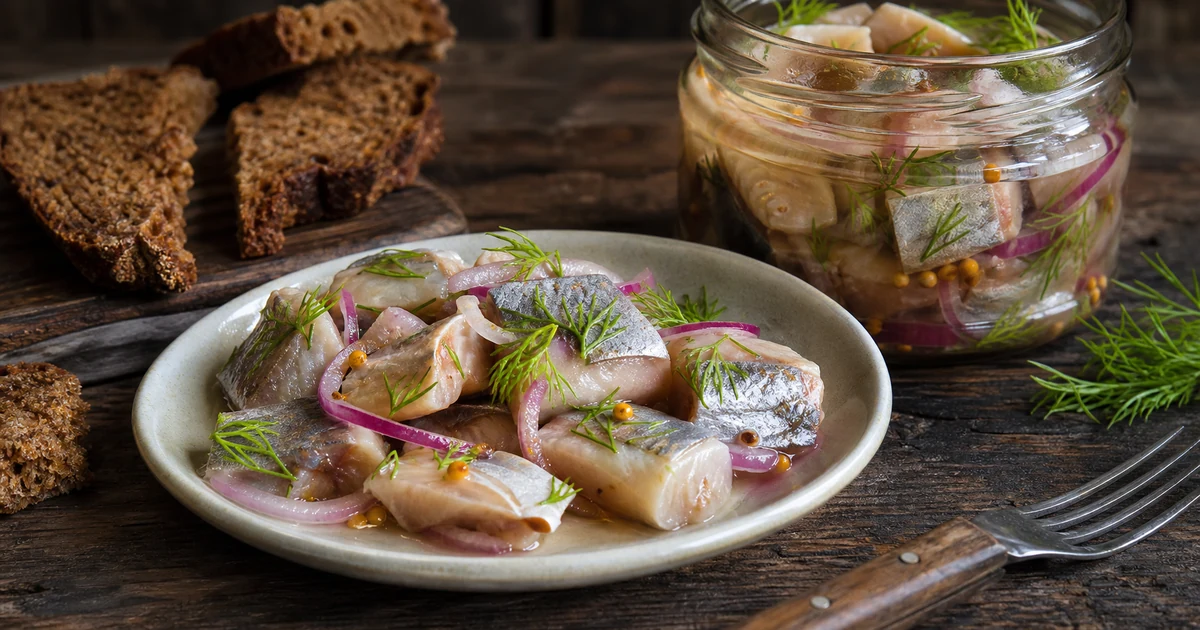
Surströmming is Baltic herring lightly salted and fermented in Swedish coastal production. It matures first in barrels and continues changing after canning, creating pressure that can round the tin [1].
The aroma is powerful, but “rotten” is not a technical description. Producers seek a controlled acidic, sulfurous, savory result rather than decay.
Salt Scarcity and the Northern Coast
Popular stories say sixteenth-century warfare created a salt shortage that accidentally invented surströmming. Limited salt in northern preservation is historically plausible, but a single wartime accident is harder to prove. Coastal communities already understood herring, brine, barrels, and seasonal storage [2][3].
The safer history is gradual adaptation: use enough salt to guide preservation, but not enough to stop fermentation.
Why the Can Swells
Fermentation continues after packaging and generates gases. Unlike an unexplained bulging can in ordinary canned food, pressure is expected in authentic surströmming production and packaging is designed for it [1][4].
That does not make every damaged tin safe. Consumers should follow manufacturer storage and opening guidance rather than treating spectacle as expertise.
A Meal, Not a Punishment
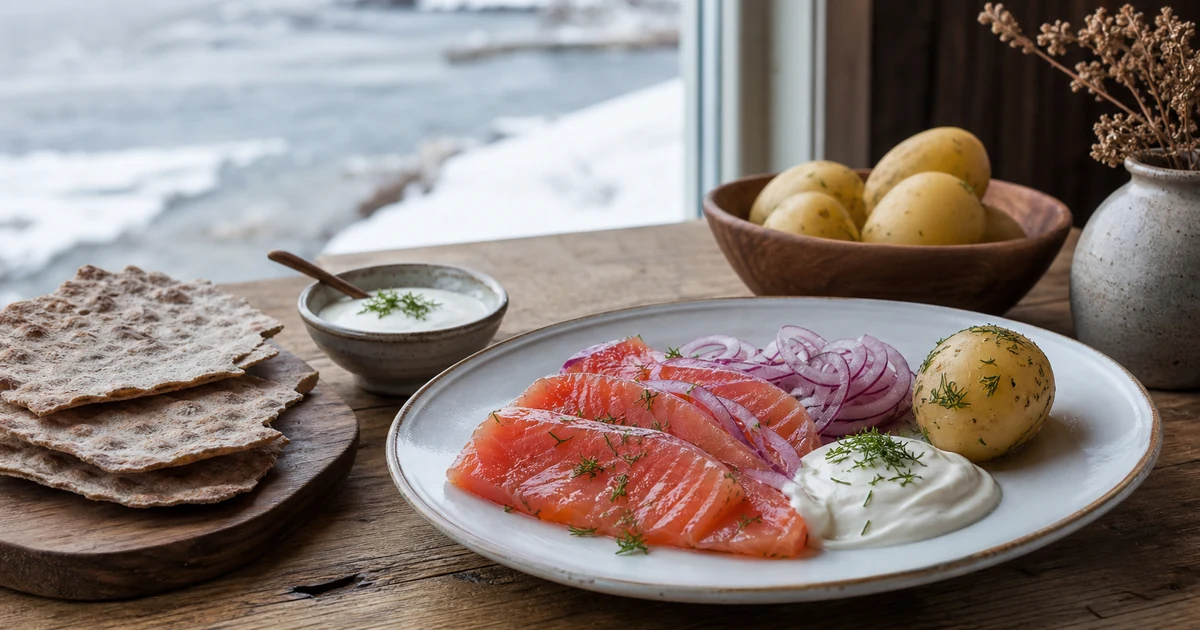
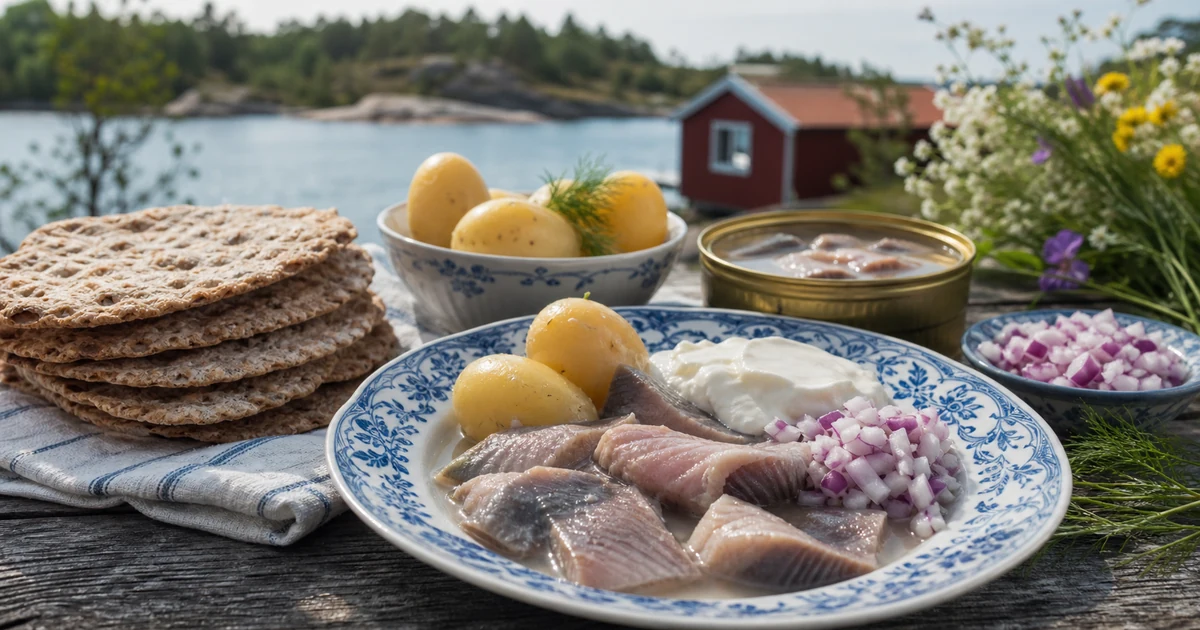
Traditional servings pair small amounts of fish with thin flatbread, boiled potato, chopped onion, and sour cream or similar dairy. The components dilute salt and aroma while adding sweetness, starch, and fat. Outdoor opening protects indoor spaces.
Internet challenges often remove every balancing element, then present distress as proof of Swedish irrationality.
Surströmming in Global Media
Airline restrictions, viral videos, and novelty retailers made the can globally recognizable. That attention can support producers, but it also turns northern Swedish food heritage into a dare.
A better history explains why people kept making it: spring herring, scarce salt, cold seasons, regional taste, and communal ritual created a food whose smell is only one part of its meaning.
Historical Timeline
Northern coastal communities preserve Baltic herring with limited salt and fermentation
Commercial production and regional trade expand
Canning gives the product a portable package in which maturation continues
Challenge videos globalize the smell while often stripping away meal context
Evidence Explorer
Review the Source Trail
Inspect the article sources, scoped review credits, and copyable citation details without leaving the page.
Reviewed for Stated Scope
Sources Listed
Comments
Community comments are coming soon. Check back later to join the discussion!