💡 Key Takeaways
- Nukazuke ferments vegetables in a reusable salted rice-bran bed called nukadoko.
- Rice polishing made bran widely available in early modern cities.
- Daily mixing manages oxygen, moisture, temperature, and microbial balance.
- A mature bed can embody household continuity, but it is maintained rather than magically immortal.
What Is Nukazuke?
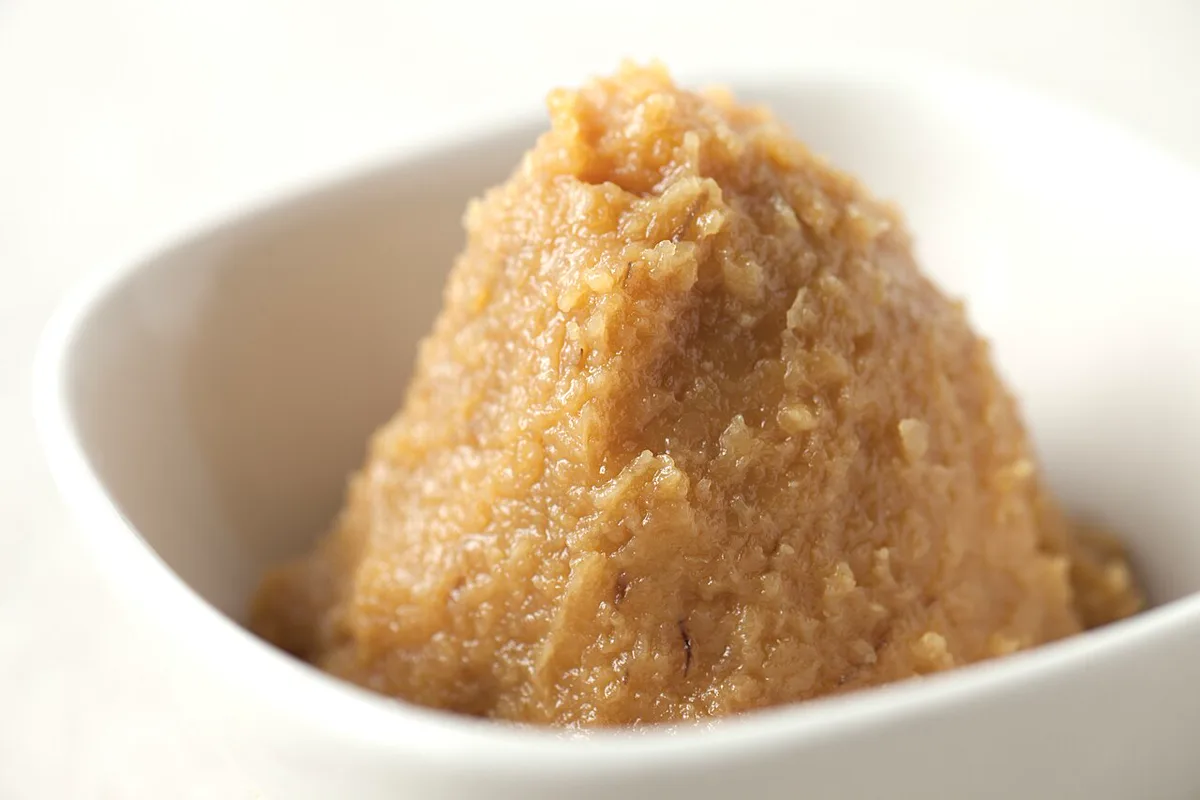
Nukazuke are Japanese vegetables fermented in nukadoko, a moist mixture of rice bran, salt, and water. Cooks may add kombu, dried chili, ginger, citrus peel, or other flavoring materials, but the bed’s defining feature is its maintained microbial community [1][3].
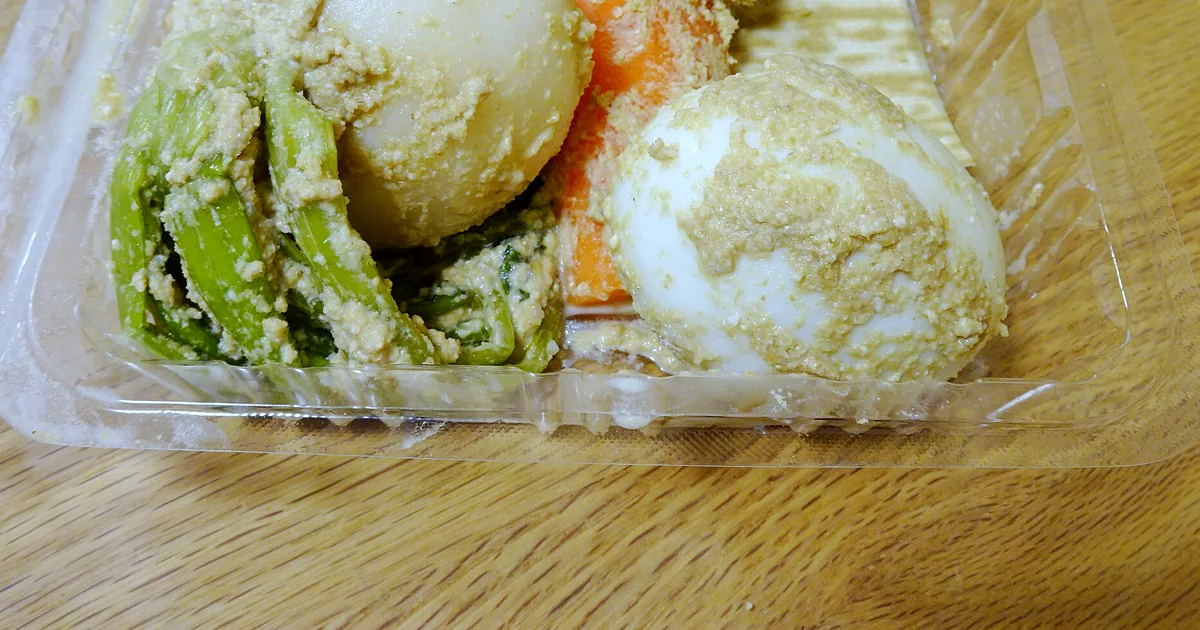
The vegetables are buried, removed, rinsed, and sliced. The bran bed remains to receive the next batch.
Rice Bran Became a Fermentation Resource
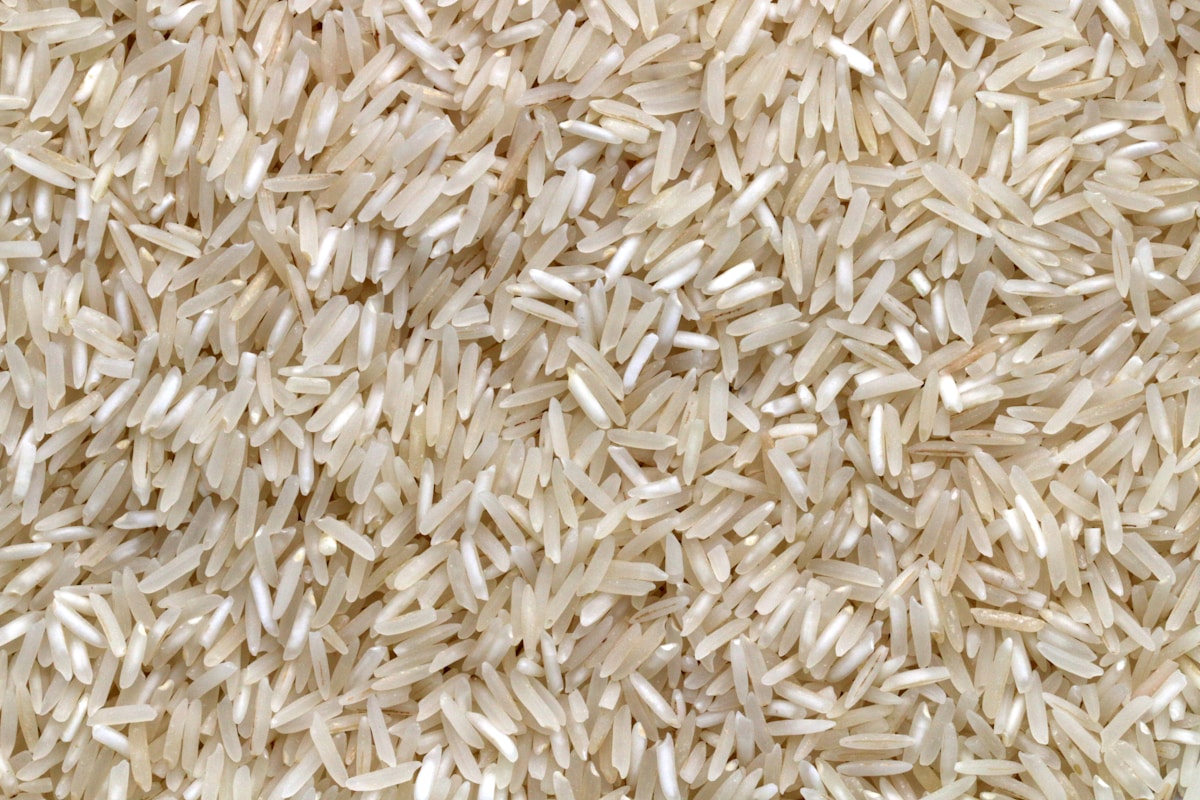
Bran is the nutrient-rich outer material removed when brown rice is polished. As urban consumers increasingly preferred white rice in early modern Japan, mills produced more bran. Nukazuke turned that byproduct into preservation infrastructure [2].
This thrift mattered. A recurring waste stream became a living medium that could flavor many successive vegetables.
Why the Bed Must Be Turned
Lactic-acid bacteria help acidify the bed, while yeasts and other organisms contribute aroma. Hand mixing redistributes salt, water, oxygen, and temperature, discouraging unwanted surface dominance and keeping the texture even [3][4].
Daily turning is not ritual decoration. It is practical microbial management learned through smell, touch, and observation.
Household Inheritance and Interruption
Families can maintain a successful nukadoko for years by feeding, salting, cooling, or resting it as conditions change. Stories of century-old beds express continuity, though the material is constantly renewed and microbial membership changes.
War, migration, smaller homes, supermarkets, and refrigeration interrupted many household routines. Packaged nukazuke preserved access but separated consumers from bed care.
Nukazuke Today
Starter kits and refrigerated beds have made nukazuke practical for new households. Chefs also use bran beds for unusual vegetables or proteins, extending the method beyond familiar cucumber, daikon, carrot, and eggplant.
The revival works best when it respects the food’s ordinary history: nukazuke is neither a miracle probiotic nor a novelty. It is a Japanese system for turning rice bran, salt, vegetables, microbes, and attention into flavor.
Historical Timeline
Salted and fermented vegetables form part of a broad tsukemono culture
Urban rice polishing increases bran supplies and helps expand nukazuke
Refrigeration and packaged pickles reduce daily household maintenance
Home fermentation and waste-conscious cooking renew interest in nukadoko
Evidence Explorer
Review the Source Trail
Inspect the article sources, scoped review credits, and copyable citation details without leaving the page.
Reviewed for Stated Scope
Sources Listed
Comments
Community comments are coming soon. Check back later to join the discussion!