💡 Key Takeaways
- Sorghum was domesticated in Africa and spread across Asia and later the Americas.
- It is both human food and a major feed and industrial crop, which can hide its culinary histories.
- Porridge, flatbread, beer, popped grain, and syrup represent different regional technologies.
- Current interest in drought tolerance should not reduce sorghum to a climate slogan.
What Is Sorghum?
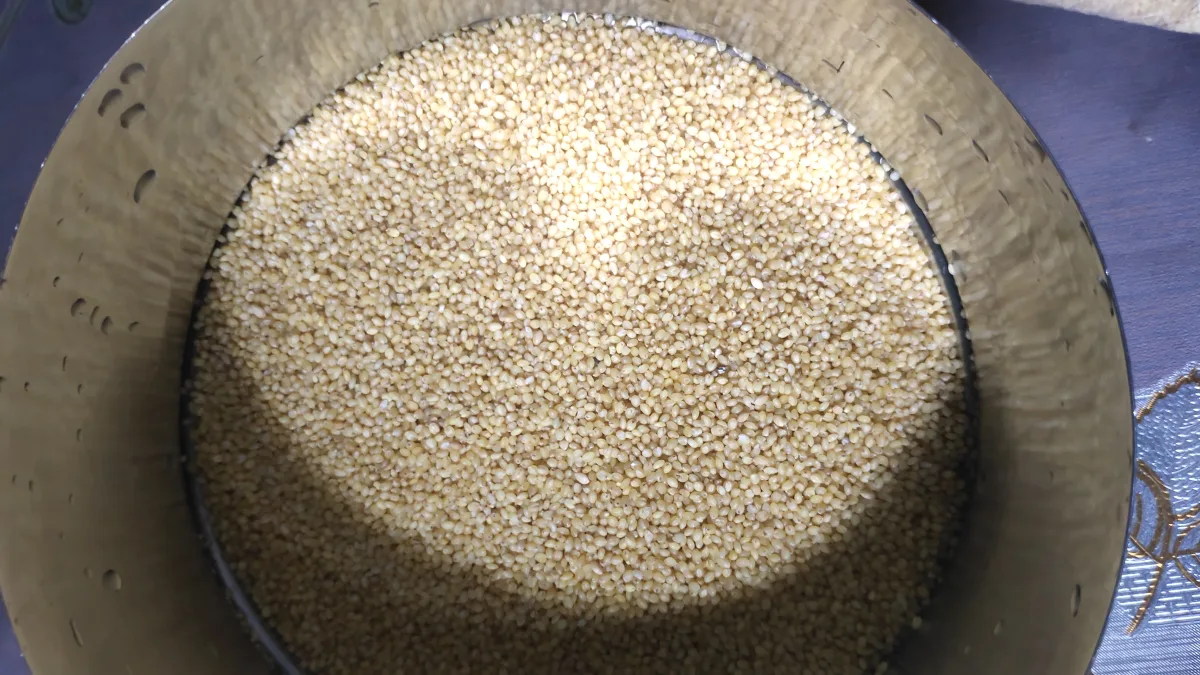
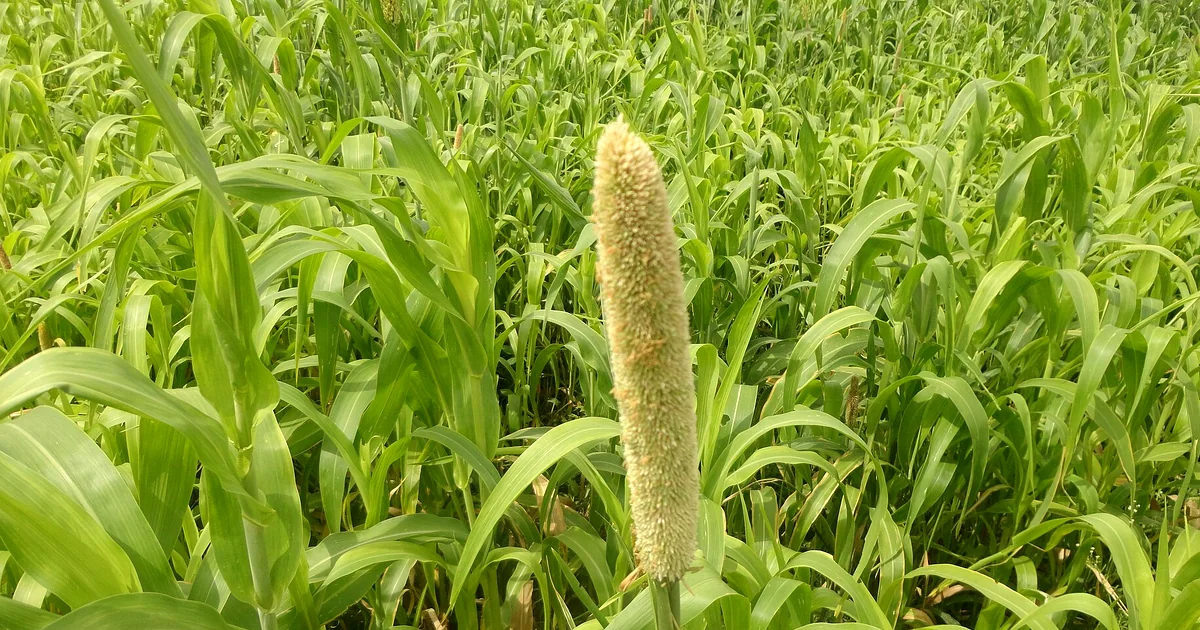
Sorghum is a cereal in the grass family, most prominently Sorghum bicolor. Its grains can become porridge, flatbread, couscous-like foods, popped snacks, and beer; sweet-stem varieties can make syrup; other forms supply fodder and industrial starch [1][2].
That versatility has made sorghum one of the world’s major cereals while leaving it less visible than wheat, rice, or maize in many consumer histories. Feed statistics often overshadow the communities that eat and brew it.
Where Was Sorghum Domesticated?
Archaeobotanical and genetic research places sorghum domestication in Africa, with northeastern Africa and the broader Sahel central to the story [1][3]. The process unfolded across communities and landscapes rather than through one inventor or modern nation.
Farmers selected plants for grain retention, harvest, taste, and local climate. Their choices created a crop capable of moving into new environments while retaining extraordinary diversity.
How Sorghum Traveled Across the World
Indian Ocean exchange helped carry sorghum into South Asia, where it became jowar and entered regional breads and porridges. It later spread through parts of China and other Asian food systems. Enslaved Africans and colonial agriculture carried sorghum varieties and knowledge into the Americas [2][4].
Movement changed the crop. In the United States, sweet sorghum syrup became especially visible, while industrial farming expanded grain for livestock. In Africa and Asia, household foods and fermented drinks remained central.
Why Sorghum Is Receiving New Attention
Current interest emphasizes crop diversity, gluten-free foods, and the ability of some sorghum varieties to perform under heat and limited water. Those qualities matter, but they should not be turned into a promise that one crop can solve climate change.
Sorghum’s strongest argument is historical evidence. Alongside millet, barley, and beer, it shows how African grain knowledge shaped food far beyond the continent.
Historical Timeline
African communities domesticate Sorghum bicolor from wild relatives
Sorghum spreads through eastern Africa and across Indian Ocean connections into South Asia
The grain becomes established across parts of Asia in regional porridges, breads, and alcohol
Forced migration, colonial trade, and agriculture carry sorghum into the Americas and industrial feed systems
Evidence Explorer
Review the Source Trail
Inspect the article sources, scoped review credits, and copyable citation details without leaving the page.
Sources Listed
Comments
Community comments are coming soon. Check back later to join the discussion!