💡 Key Takeaways
- Shrimp paste is a regional family, not one standardized pan-Asian condiment.
- Salt and fermentation preserve small shrimp or krill that spoil quickly.
- Belacan, kapi, terasi, and bagoong alamang differ in process, texture, and cuisine.
- Its powerful aroma becomes balanced when roasted, fried, diluted, or cooked into dishes.
What Is Shrimp Paste?
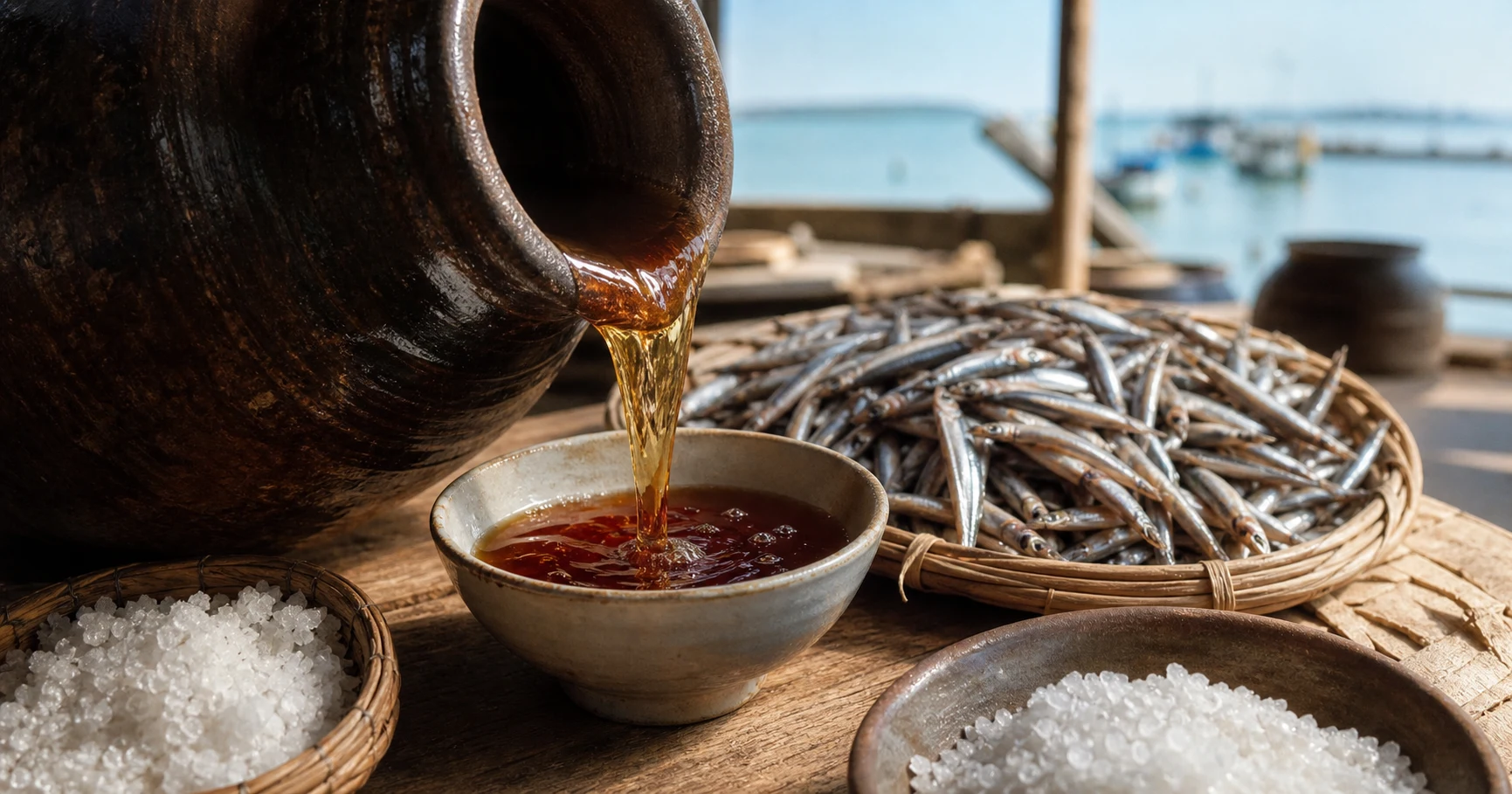
Shrimp paste is made by combining small shrimp, krill, or related catches with salt, then fermenting, pounding, drying, or aging the mixture. The finished product may be a firm block, a moist paste, or a coarse sauce [1][2].
English collapses many foods into one name. Malaysian belacan, Thai kapi, Indonesian terasi, and Filipino bagoong alamang have different methods and culinary roles.
Why Tiny Shrimp Became Valuable
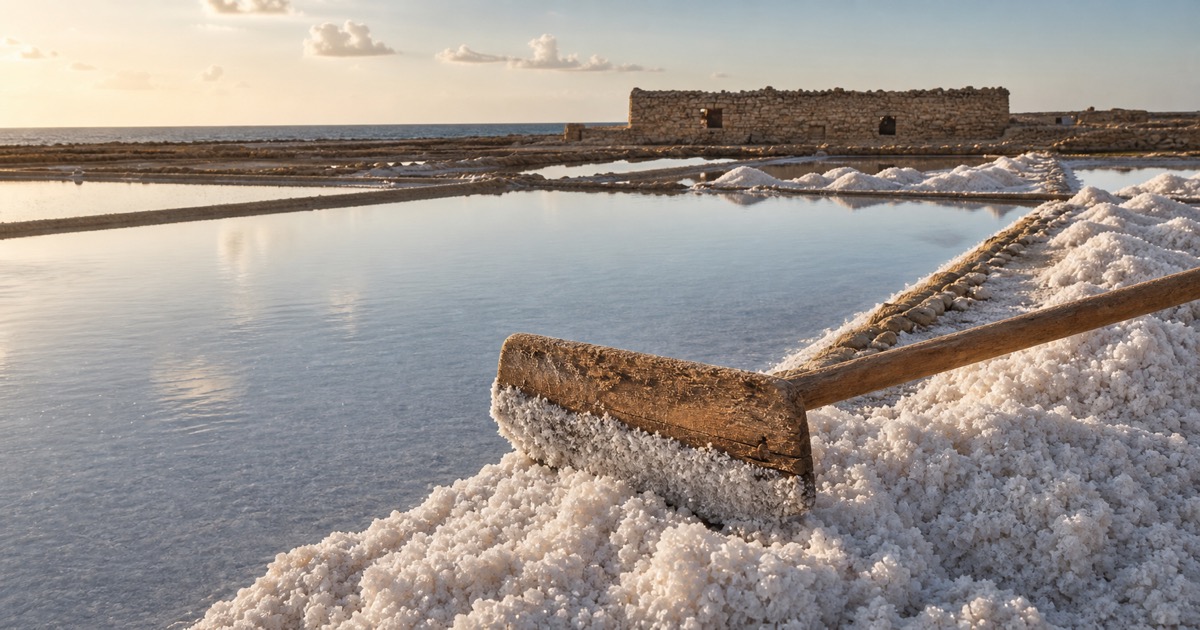
Small crustaceans can arrive in enormous seasonal catches and spoil rapidly. Salt and fermentation turn that fragile abundance into a compact seasoning that lasts and travels. The technique converts material difficult to sell fresh into a durable source of flavor [1].
This is coastal economy as much as cuisine. Fishers, salt makers, processors, dryers, traders, and cooks all participate in the product.
Many Names, Many Processes
Belacan is often pressed into blocks and roasted before use. Kapi can be softer and central to Thai curry pastes and dips. Terasi anchors Indonesian sambals. Bagoong alamang ranges from salty fermented shrimp to cooked, sweetened preparations [3][4].
The shared raw material does not erase difference. Regional names tell the cook what texture, salt level, and treatment a dish expects.
How Aroma Becomes Flavor
Uncooked shrimp paste can smell aggressive because fermentation concentrates volatile compounds. Roasting, frying, pounding with chilies, or dissolving it into liquid changes that aroma. In a finished dish, a small amount builds depth rather than dominating.
This transformation explains why outsiders can misjudge the condiment by smelling the package alone. Its intended context is cooking and balance.
Shrimp Paste in Global Kitchens
Migration and specialty retail made regional pastes available far from their coasts. Chefs now use them in sauces, marinades, fried rice, curries, and cross-cultural dishes.
Global enthusiasm should keep the label specific. Saying belacan or kapi when that is the ingredient preserves culinary knowledge. “Umami paste” may sell the flavor, but it strips away the communities and preservation systems that made it.
Historical Timeline
Fishing communities salt and ferment small crustaceans to preserve seasonal catches
Pastes move through ports while remaining strongly regional in name and use
Factories, jars, blocks, and food-safety controls expand commercial distribution
Diaspora markets and chefs bring regional shrimp pastes into global pantry culture
Evidence Explorer
Review the Source Trail
Inspect the article sources, scoped review credits, and copyable citation details without leaving the page.
Reviewed for Stated Scope
Sources Listed
Comments
Community comments are coming soon. Check back later to join the discussion!