💡 Key Takeaways
- Sichuan pepper comes from Zanthoxylum species, not Piper nigrum black pepper.
- It creates a tingling, numbing sensation central to Sichuan mala flavor.
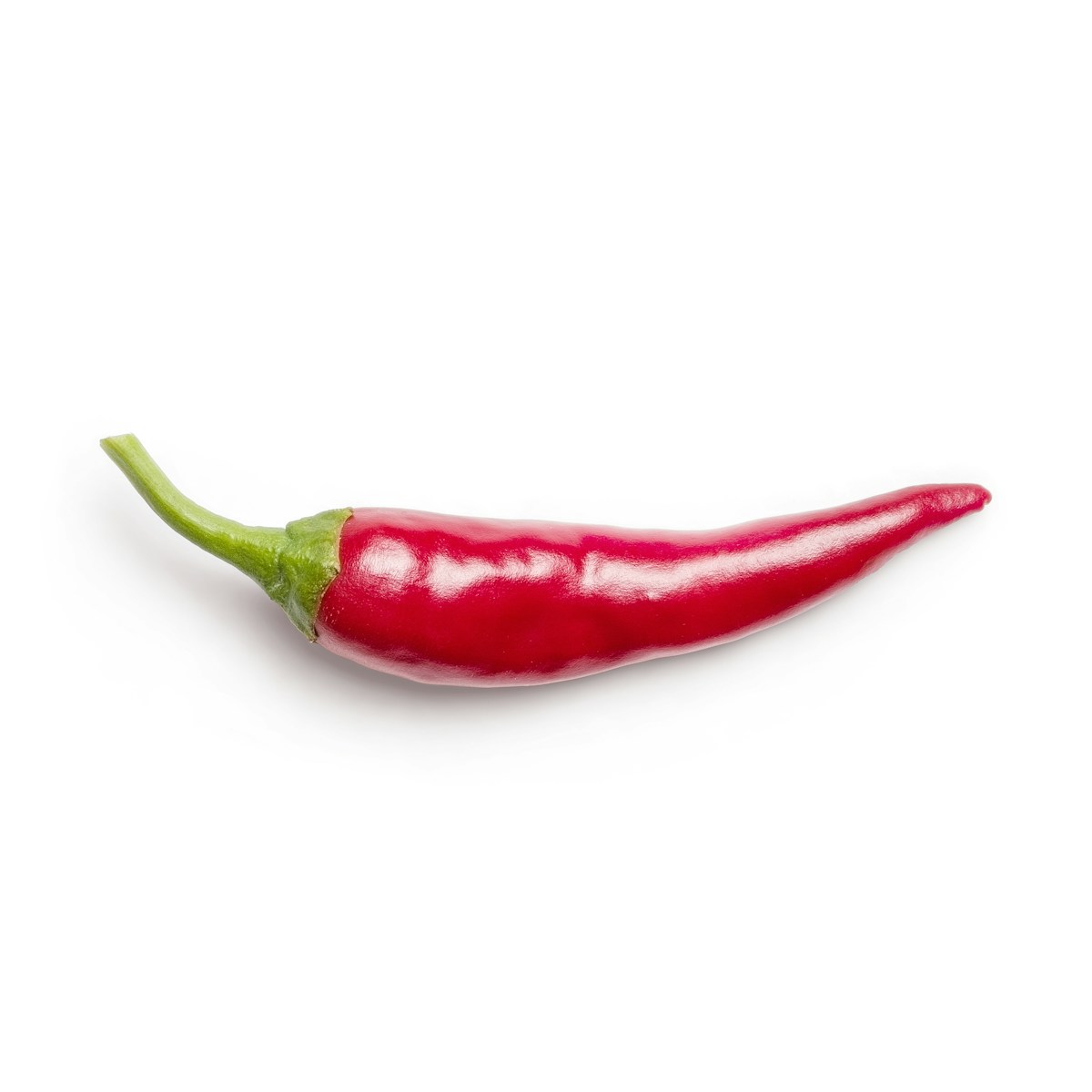
- Chili peppers arrived later via the Columbian Exchange and paired with hua jiao into mala.
- The spice is botanical and regional, not a single branded “Szechuan powder.”
What Is Sichuan Pepper?
Sichuan pepper — hua jiao — is the dried fruit husk of certain Zanthoxylum shrubs. It is not black pepper (Piper nigrum). Its signature is a citrusy aroma plus a tingling numbness that Chinese cooks call ma, which pairs with chili heat (la) into mala [1][3].
Food-history searches should separate the botanical identity from the supermarket nickname “Szechuan peppercorns.”
Before Chili: Numbing Without Capsicum
Chinese kitchens used Zanthoxylum long before New World chili peppers arrived. The numbing spice seasoned meats, oils, and later hot pots. When capsicum took hold in Sichuan and neighboring provinces, cooks did not replace hua jiao — they combined it [2][3].
That sequence is the Columbian Exchange inside one wok: Old World numbness meeting New World heat.
Mala Cuisine and Global Pantries
Mapo tofu, hot pot, and chili oils made mala legible worldwide. Western chili-crisp jars sometimes include Sichuan pepper for the tingle. The spice’s export boom rides restaurant culture more than a single viral recipe.
For condiment context, see the crunchy chili map and related fermented bean pastes.
Why Sichuan Pepper Matters
Sichuan pepper teaches botanical precision and historical layering: a Chinese numbing spice that predates chili, then defines modern Sichuan flavor with it. That is the origin story worth ranking for “Sichuan pepper history.”
Historical Timeline
Zanthoxylum peppers used in regional Chinese cooking and medicine cabinets
New World chilies enter China and eventually define mala with hua jiao
Sichuan restaurant culture spreads mala profiles nationally and abroad
Global hot pot and chili-crisp trends pull Sichuan pepper into Western pantries
Evidence Explorer
Review the Source Trail
Inspect the article sources, scoped review credits, and copyable citation details without leaving the page.
Reviewed for Stated Scope
Sources Listed
Comments
Community comments are coming soon. Check back later to join the discussion!