💡 Key Takeaways
- Ube halaya is a Filipino cooked purple-yam preserve rather than any purple dessert labeled ube.
- Ube is Dioscorea alata and is botanically different from taro and purple sweet potato.
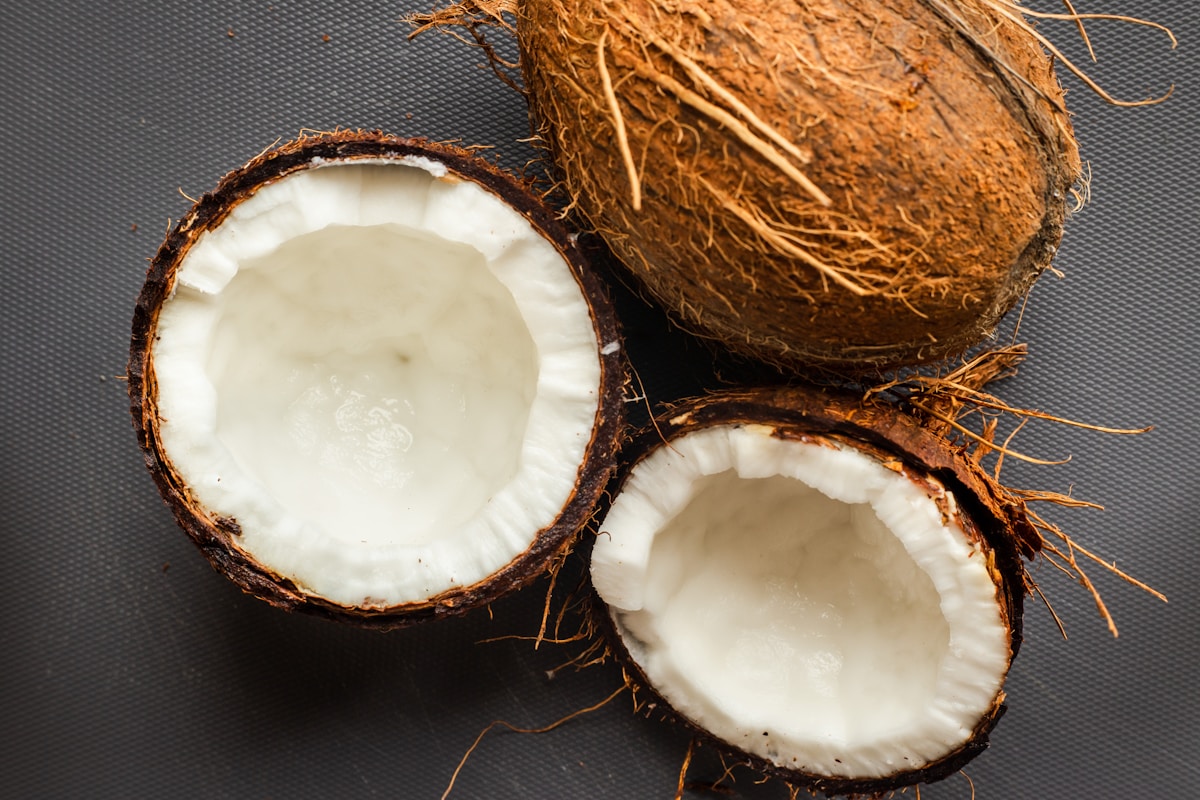
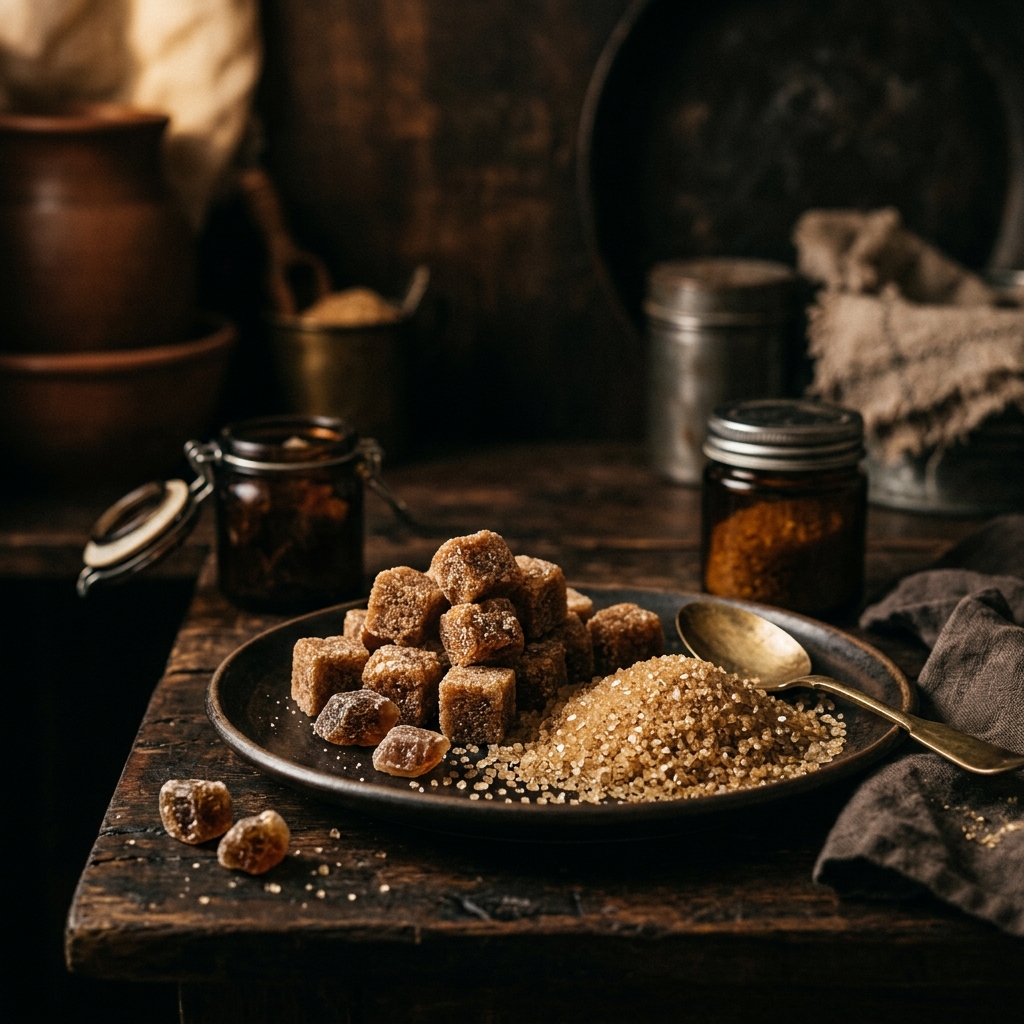
- Coconut, dairy, sugar, and condensed milk reflect different historical layers in Filipino sweetmaking.
- Diaspora bakeries and social media globalized ube’s color, but the ingredient was not discovered online.
What Is Ube Halaya?
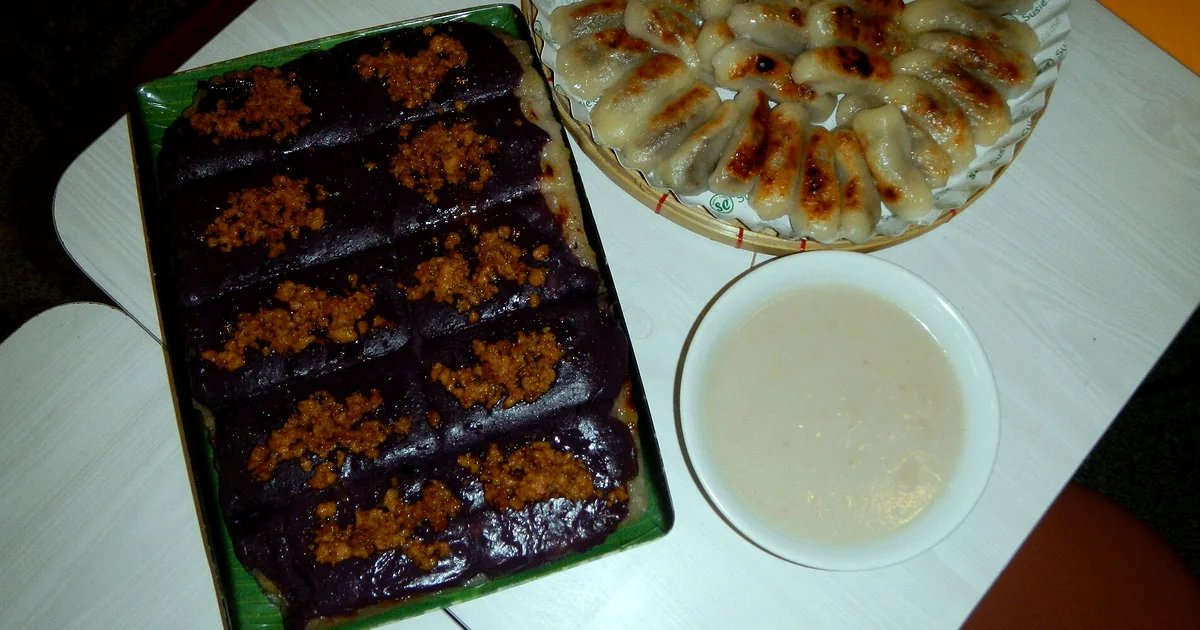
Ube halaya is a Filipino preserve made by cooking mashed or grated purple yam with sugar and fat, often using coconut milk, evaporated milk, condensed milk, butter, or combinations of them. Slow stirring drives off moisture and creates a dense, smooth texture [1][2].
It can be eaten on its own, spread into bread, layered into cakes, or used in halo-halo and other desserts. The preserve is a specific food, not simply a purple color or a synonym for every ube-flavored product.
Ube, Taro, and Purple Sweet Potato
Ube is Dioscorea alata, a true yam. Taro is Colocasia esculenta, while purple sweet potato belongs to Ipomoea batatas. They differ botanically, in texture, and in flavor even when photographs or translations make them look interchangeable [3].
This distinction matters because global menus sometimes use purple color as proof of ube. A product can be purple without containing Philippine purple yam, and real ube can vary in color by variety and preparation.
How Philippine History Shaped the Sweet
Yams belong to deep island food histories, while the familiar halaya method reflects later layers. Colonial cane sugar, introduced dairy systems, canned milk, butter, and modern refrigeration all changed what cooks could make and preserve [1][2].
The dish is therefore neither purely precolonial nor merely colonial. Filipino cooks combined an established root crop with changing sweetener and dairy technologies, producing a dessert that became locally meaningful.
How Ube Became a Global Dessert Flavor
Filipino diaspora bakeries carried ube halaya into breads, cakes, ice cream, and pastries abroad long before social media declared purple food a trend. Digital images later accelerated recognition because ube’s color reads immediately on a screen.
That visibility can help Filipino businesses, but it can also detach ube from its name, growers, and source cuisine. The stronger story keeps the preserve at the center: purple yam became global through Filipino cooking and migration, not through color alone.
Historical Timeline
Yams and other root crops support island food systems before colonial rule
Colonial trade expands cane sugar, dairy access, and new confectionery forms
Condensed milk, refrigeration, packaged flavorings, and urban bakeries reshape ube sweets
Filipino migration and visual food media carry ube halaya and ube-flavored desserts worldwide
Evidence Explorer
Review the Source Trail
Inspect the article sources, scoped review credits, and copyable citation details without leaving the page.
Sources Listed
Comments
Community comments are coming soon. Check back later to join the discussion!