Use-case buying guide
Which Garlic Should You Buy? Fresh, Powder, Granules and Paste Compared
Fresh bulbs build pungency and texture, powder disperses into dry rubs, granules hydrate more slowly, and prepared paste trades flavor control for speed. Choose by recipe and read oil, acid, salt, and origin claims carefully.
The short answer
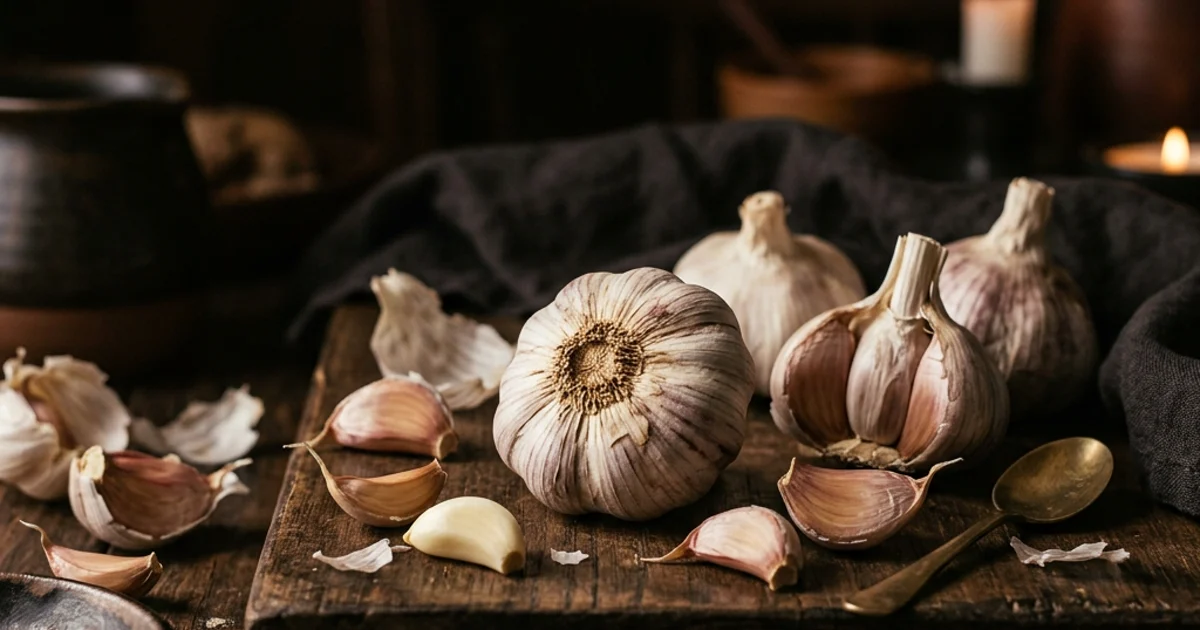
Buy firm whole bulbs for the broadest flavor and storage control, granulated garlic for dry rubs and even seasoning, powder for smooth mixtures, and refrigerated paste or peeled cloves only when convenience improves actual use. Read prepared products for oil, acid, salt, preservatives, and origin; they are not automatically equivalent to a fresh clove.
Choose this when...
Start with the dish, then verify the package. Format, ingredients, handling, and intended use matter more than a universal ranking.
Garlic types compared
Powder vs granules
Both begin with dried garlic, but particle size changes dispersion and hydration. Powder integrates into smooth mixtures; granules suit rubs and seasoning surfaces. Compare pure products before deciding by price, because garlic salt and blends can look adjacent.
Fresh garlic is changed by the knife
Whole, sliced, crushed, grated, and roasted garlic do not taste identical. Tissue damage and heat alter pungency. That control is the main reason to buy bulbs, not a claim that every fresh clove is automatically better than a well-used dry spice.
When prepared garlic makes sense
Peeled cloves or paste can reduce a real cooking barrier, especially at high frequency. Buy a package that turns over, follow refrigeration, and account for added acid or salt. Convenience is useful when it replaces waste, not when it becomes another forgotten jar.
Use it in context
Garlic history
Fed to pyramid builders, prescribed by Hippocrates, and feared by Victorian elites — garlic's 7,000-year journey from Central Asian wild grass to the world's most used seasoning.
ExploreOnion history
Buried with pharaohs, banned by Indian monks, and the only vegetable whose price can topple governments — the onion's 7,000-year reign as the world's most universal ingredient.
ExploreGinger history
Prescribed by Confucius, taxed by Rome, and baked into medieval cathedrals — how ginger became the most traded spice in history after black pepper.
ExploreOlive Oil history
Explore the 8,000-year history of olive oil from ancient Mediterranean groves to modern kitchens. The liquid gold that fueled civilizations.
Explore