Use-case buying guide
Which Sesame Oil Should You Buy? Toasted, Plain and Black Sesame Compared
Toasted sesame oil is a finishing seasoning; untoasted sesame oil is a cooking fat with a quieter profile. Black sesame oil can be deeply aromatic, while blended bottles require a close ingredient read. Buy by use, not by darkness alone.
The short answer
Buy toasted sesame oil in a small bottle when you want aroma at the end of cooking, in dressings, or in dipping sauces. Choose untoasted sesame oil when the recipe needs a more neutral sesame cooking fat. Buy black sesame oil for its specific roasted character, and avoid paying pure-oil prices for an undeclared or poorly explained blend.
Choose this when...
Start with the dish, then verify the package. Format, ingredients, handling, and intended use matter more than a universal ranking.
Sesame Oil types compared
Why toasted sesame oil is closer to a seasoning
Roasting amplifies volatile aromas, so toasted sesame oil is often measured by the teaspoon rather than used as the whole frying medium. Add it late or off heat when aroma is the reason you bought it. A small bottle with good turnover can beat a large bargain bottle.
Black sesame is a seed identity, not a quality grade
Black sesame can bring a distinctive flavor and cultural context, but a dark bottle may also result from roasting or blending. The ingredient list should establish what the product contains instead of leaving the shopper to interpret color.
How to store an aromatic oil
Heat, light, oxygen, and time reduce aroma. Buy an opaque or protected bottle, close it promptly, and follow label storage. A premium oil that sits beside a hot stove is not a better purchase than a modest bottle used while fresh.
Use it in context
Sesame history
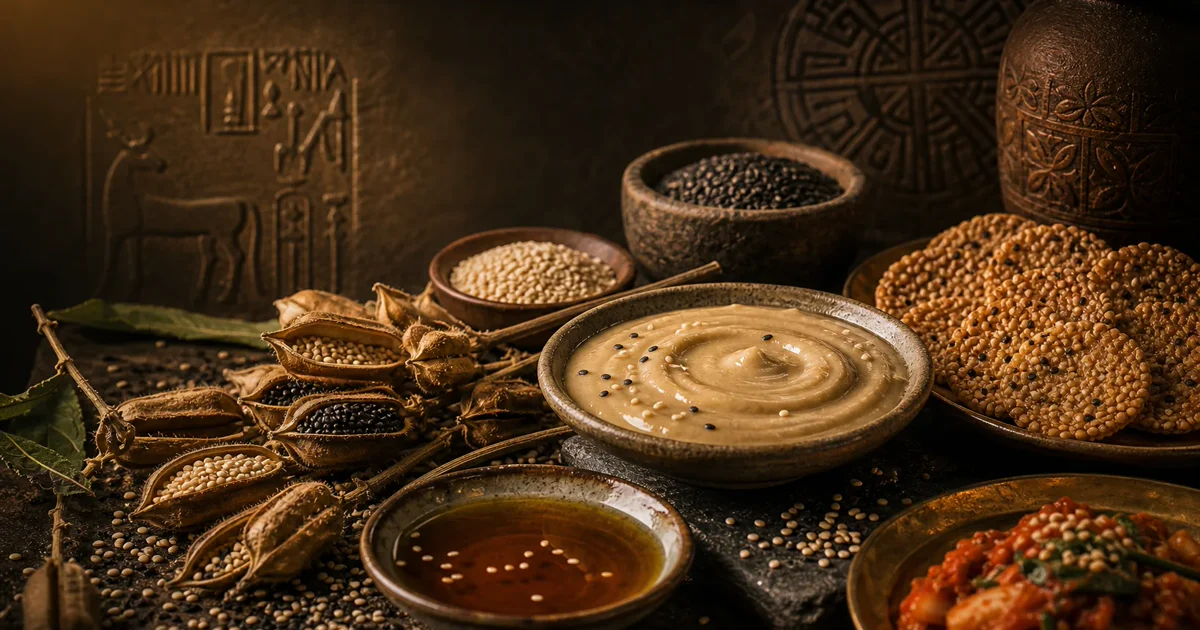
Where did sesame come from? Trace sesame history from Indus Valley domestication and "open sesame" pods to tahini, benne in the American South, and the 2026 Korean food boom.
ExploreSoy Sauce history
Explore soy sauce history, from Chinese jiang and fermented soybean pastes to Japanese shoyu, koji, wheat, salt, trade, migration, and global cuisine.
ExploreRice history
How a wild swamp grass domesticated 9,000 years ago in China's Yangtze Valley became the staple food for 3.5 billion people — and reshaped empires along the way.
Explore