
Use-case buying guide

Which Turmeric Should You Buy? Fresh Root, Ground Spice and Paste Compared

Fresh turmeric brings juicy, earthy brightness; ground turmeric disperses evenly and stores more easily; paste trades control for convenience. Choose a traceable product with a clear ingredient list, not a medical promise or an unusually fluorescent color.
Published Updated 706 wordsMarket: United StatesBy
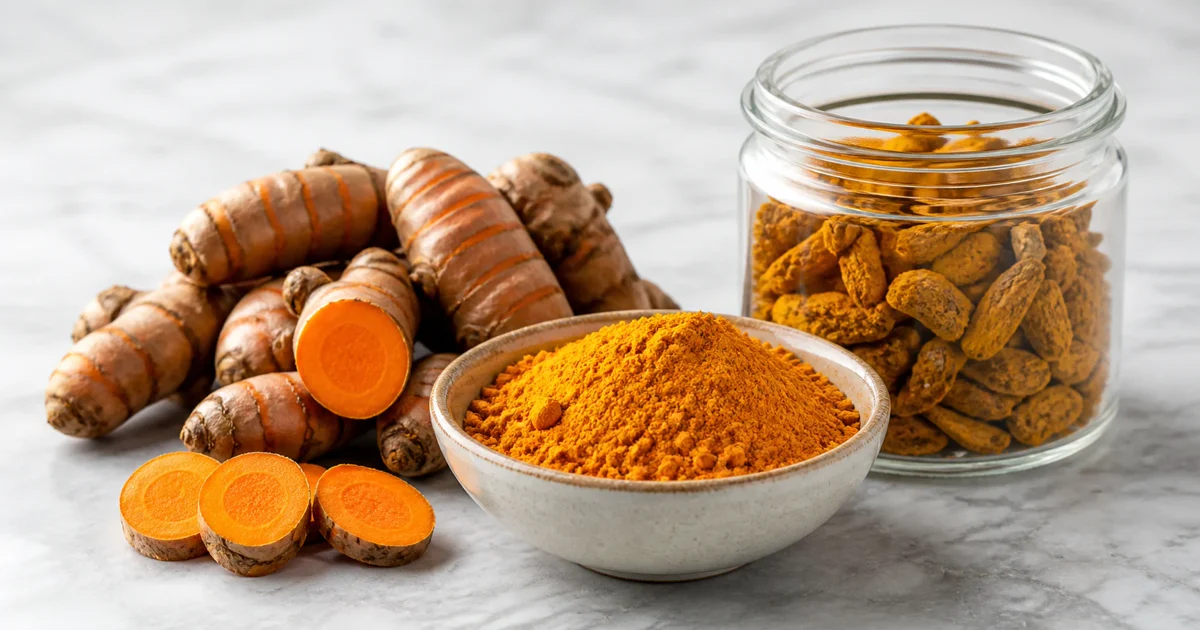
Fresh turmeric rhizomes, ground turmeric powder, turmeric paste, and a turmeric spice blend on a dark table
Turmeric formats compared for the cooking jobs they perform best. Image: The Foods That Shaped Us Research Desk. Image terms. Request permission.

The short answer

Buy ground turmeric from a high-turnover, traceable spice seller for the broadest pantry use. Choose fresh rhizome when its juicy, ginger-like character matters, and paste only when the ingredient list fits the dish. Do not choose turmeric by curcumin or wellness claims alone, and never use color intensity as proof of purity.

Choose this when...

Start with the dish, then verify the package. Format, ingredients, handling, and intended use matter more than a universal ranking.

UseChooseWhyCheckDo not miss
Curries and riceGround culinary turmericPowder disperses evenly through fat and liquid.Check turmeric as the named ingredient and origin when claimed.A very large bag can go stale before use.
Fresh relishes and regional recipesFirm fresh turmeric rhizomeIt brings moisture and a fresher aromatic edge.Choose unshrivelled roots without soft decay.It stains surfaces and is not equal-volume powder.
Fast marinadesA clearly formulated turmeric pastePrepared texture saves peeling and grinding.Read water, oil, salt, acid, and preservatives.Paste changes seasoning and moisture.
Spice blendsA named blend for a specific dishTurmeric can work within a balanced masala.Read every spice and added salt.A blend is not pure turmeric.

Turmeric types compared

Ground turmeric

Earthy, warm, and easy to disperse

Choose it for
Curries, rice, soups, and dry blends
Label clue
Origin, pack size, and supplier turnover matter.
Not the first choice for
Shoppers wanting fresh rhizome texture.

Fresh turmeric

Juicy, earthy, and ginger-adjacent

Choose it for
Fresh pastes, pickles, drinks, and regional dishes
Label clue
Roots should be firm and clean.
Not the first choice for
Direct teaspoon substitution for powder.

Turmeric paste

Convenient and formulation-dependent

Choose it for
Quick marinades and sauces
Label clue
Check oil, acid, salt, and preservatives.
Not the first choice for
Recipes requiring dry spice control.

Turmeric blend

Depends on accompanying spices

Choose it for
Purpose-built curry or beverage mixes
Label clue
Front claims must match the full ingredients.
Not the first choice for
Calling the blend pure turmeric.

Fresh vs ground turmeric

Fresh rhizome contributes water, texture, and a livelier aroma. Ground turmeric is concentrated, consistent, and easy to bloom in fat. Use the form named by the recipe or adjust with care because one is not simply the other with moisture removed.

Why traceability matters more than brightness

Turmeric has faced documented contamination and adulteration concerns in some supply chains. A reputable seller, intact package, clear lot information, and responsive recall process are more meaningful than extreme yellow color or vague purity language.

When paste is worth buying

Paste makes sense when convenience leads to frequent use and the added oil, water, salt, or acid complements the dish. It is poor value when most of the jar duplicates ingredients you already control or expires before you finish it.

What to check before you buy turmeric

  • Culinary turmeric and supplements are different products.
  • Traceable source and sealed packaging matter.
  • Paste may add salt, oil, acid, or preservatives.
  • Color and curcumin marketing do not establish purity or outcomes.

How a rhizome became spice, dye, ritual material and wellness product

Turmeric developed within South Asian food, dye, medicine, and ritual systems before global spice trade and modern supplement marketing. The parent article follows that longer history while the buying guide keeps its claims culinary and label-based.

Read the full food history

Sources and label evidence

  1. [1]Types of Food Ingredients. FDA (2026).
  2. [2]The Oxford Companion to Food. Oxford University Press (2014).
  3. [3]On Food and Cooking: The Science and Lore of the Kitchen. Scribner (2004).
  4. [4]Food in History. Crown Publishers (1988).
  5. [5]Cambridge World History of Food. Cambridge University Press (2000).
๐Ÿ›๏ธ

Written by The Foods That Shaped Us Research Desk

The Foods That Shaped Us Research Desk is the publication byline for collaboratively maintained food-history articles, Case Files, Trend Desk analysis, and original Recipe Desk development. Historical work is grounded in cited sources. Recipes use measured formulations and receive an editorial consistency, safety-note, and image-provenance review before release.

Source-led editorial processยทRead our Editorial Standards