Jerusalem Artichoke vs Chicory: Two Inulin Plants, Not One Root
Jerusalem artichoke (sunchoke) is a sunflower relative grown for knobby tubers. Chicory is a different plant whose root was roasted for coffee and later extracted for inulin. Both store inulin. They are not the same vegetable.
Jerusalem artichoke is not chicory. The sunchoke (Helianthus tuberosus) is a North American sunflower relative grown for knobby tubers. Chicory (Cichorium intybus) is a Mediterranean composite whose taproot was roasted as a coffee extender and later processed for inulin. Both plants store inulin, a fructan fiber. Sharing a carbohydrate does not make them the same vegetable or the same grocery item.
What's happening
Fiber labels list inulin from chicory while produce aisles sell sunchokes. Search asks whether jerusalem artichoke is chicory root [1].
It is not. Inulin is the shared chemistry, not the shared species.
The history behind it
Jerusalem artichoke is a Helianthus, related to sunflower, domesticated in North America; the English name is a historical muddle, not a link to Jerusalem [2][3]. The tuber is eaten roasted or raw.
Chicory root belongs to coffee-substitute and New Orleans blend history, then to industrial inulin extraction [2][4]. See Chicory and Inulin.
Food chemists isolated inulin as a storage fructan in several Asteraceae roots and tubers. That scientific category now appears on soda and yogurt labels. It does not merge the crops on the farm.
Why it matters
The food-history value is keeping a fiber ingredient from erasing two plant stories. Sunchokes are a vegetable. Chicory coffee is a roast. Inulin powder is a fraction. For the nutrient name “fiber,” read Dietary Fiber.
How to try it
Roast sunchokes like potatoes if you want the tuber. Brew chicory or a chicory-coffee blend if you want the roast-root cup. Treat inulin on a label as an added fiber ingredient, not as proof you ate either plant whole. This page does not rank them as supplements.
Common comparison questions
📖 Read the full history
Trend Desk notes are timely. The durable history behind each trend lives in these articles and collections.

Chicory
The Mediterranean plant whose roasted root stretched coffee through wars — and whose inulin became the prebiotic darling of fibermaxxing
Inulin
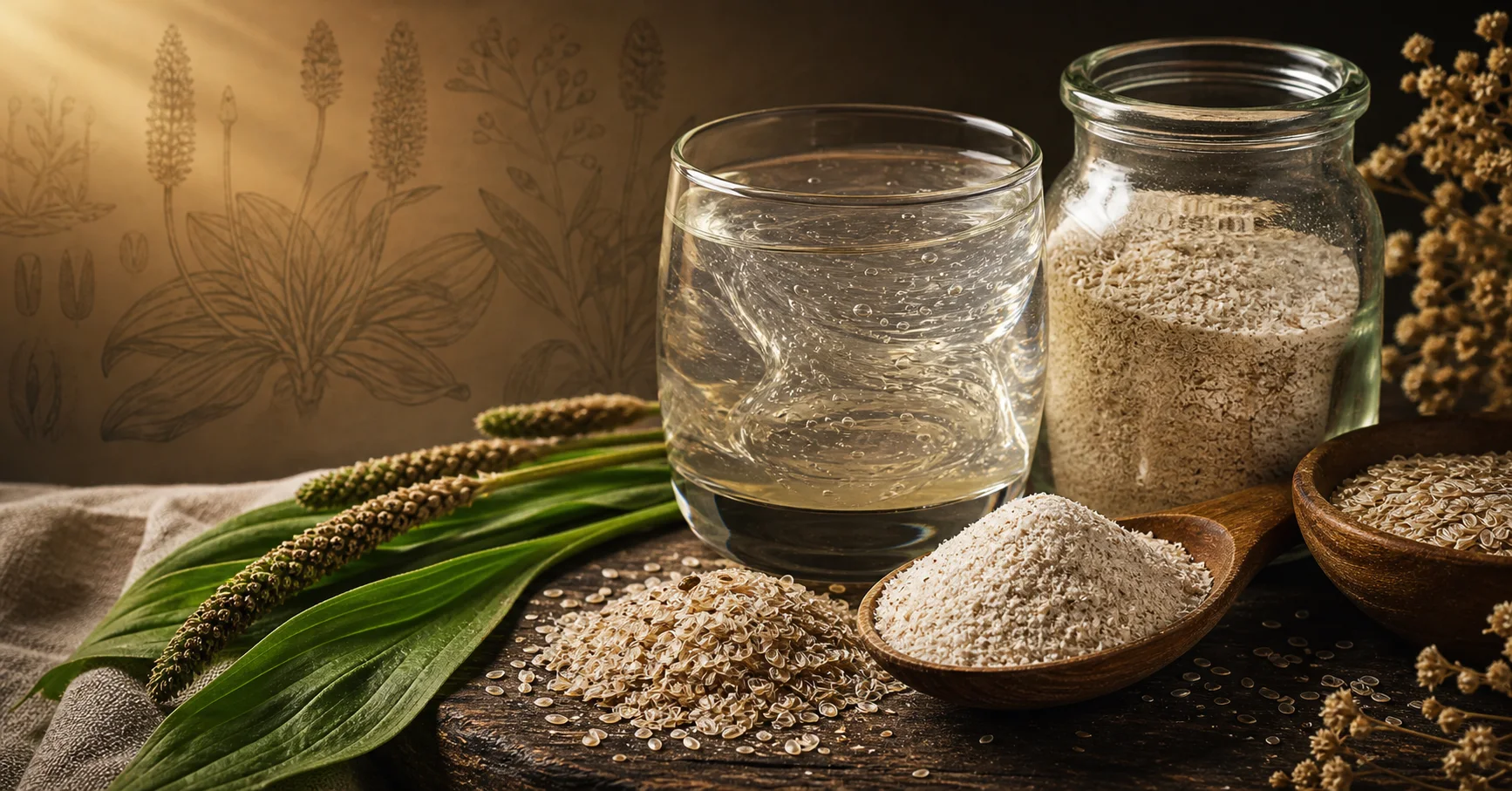
The plant storage carbohydrate — from chicory and Jerusalem artichoke roots to the prebiotic darling of fibermaxxing and functional sodas
Dietary Fiber
The plant carbohydrate humans cannot digest — from Burkitt's 1970s hypothesis to fibermaxxing, inulin sodas, and the modern gut-health framing
Chicory Root and Inulin
Explore the full collection →
Food Comparisons
Explore the full collection →
Comments
Community comments are coming soon. Check back later to join the discussion!