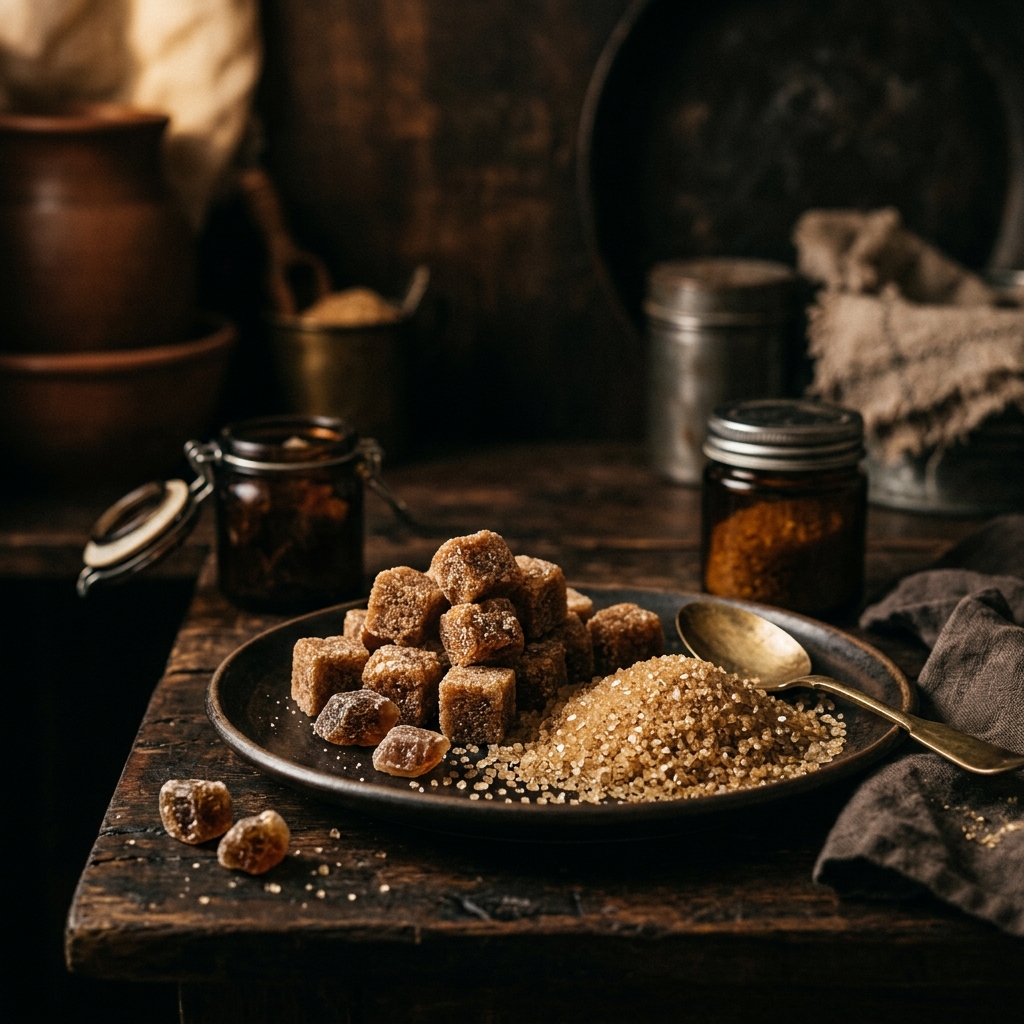
Open can of sweetened condensed milk being poured into Vietnamese iced coffee

Condensed Milk History: Gail Borden, Canning, and Sweetened Milk Abroad

How vacuum-condensed sweetened milk became a pantry staple from Civil War rations to Vietnamese coffee

📍 United States industrial invention; global tropical and dessert uses📅 1850s (Borden’s commercial process)7 min read
Published: ·Updated: ·
#Canning#American Invention
Market and economic context review: Amine NainiCanning industry, Civil War logistics, and tropical export dairy commodity chains.
Source and factual review: Mehdi IarabBorden process chronology, sweetened versus evaporated distinctions, and dessert-source quality.
Sweetened condensed milk is shelf-stable dairy created by nineteenth-century canning and sugar preservation. Image: The Foods That Shaped Us Research Desk. Image terms. Request permission.
Condensed Milk Origin: Gail Borden and Canned Milk History

💡 Key Takeaways

  • Gail Borden commercialized sweetened condensed milk in the 1850s using vacuum evaporation and sugar.
  • Sugar and canning made cow’s milk shelf-stable before reliable refrigeration.
  • Condensed milk differs from unsweetened evaporated milk.
  • Tropical and diaspora cuisines adopted it for coffee, desserts, and dulce-style sweets.

What Is Condensed Milk?

Sweetened condensed milk is cow’s milk cooked down with sugar until thick, then canned. The sugar helps preserve it; the can makes it shippable without refrigeration [1][3]. That combination answers “condensed milk origin” better than any dessert recipe.

It is not the same as evaporated milk (unsweetened concentrated milk) or as dulce de leche, though cooks often move between these sticky dairy sweets.

Gail Borden and the 1850s Breakthrough

American inventor Gail Borden worked on vacuum condensation to make milk safer and more stable for travel. Commercial sweetened condensed milk in the 1850s turned a perishable farm product into an industrial ration [3][4]. Civil War logistics then taught large populations to trust the can.

This is canning history as much as dairy history: vacuum, sugar, soldered cans, and brand trust.

Tropical Export and Everyday Sweets

Where cold chains were weak, condensed milk became baking milk, coffee milk, and children’s milk. Southeast Asian iced coffees, Caribbean desserts, and Latin sweets all absorbed the can into local taste.

The product’s colonialism-and-commodity shadow is real — European and American brands exporting dairy solids — but so is creative local adoption that made the can taste like home.

Why Condensed Milk Still Matters

Condensed milk is a nineteenth-century American industrial food that remade twentieth-century global desserts and coffee. For food-history readers, the headline is Borden, sugar, and the can — then the diaspora cups and pies that followed.

Historical Timeline

1850s

Borden develops and commercializes sweetened condensed milk in the United States

American Civil War

Canned milk supplies armies and spreads consumer familiarity

Late 19th-20th centuries

Export brands carry condensed milk into tropical markets lacking cold chains

20th-21st centuries

Desserts, coffee drinks, and dulce cousins keep the can culturally central

🎉 Fun Historical Facts

  • Sweetened condensed milk is about milk + sugar concentrated and canned.
  • Evaporated milk is unsweetened concentrated milk — a sibling product.
  • Vietnamese cà phê sữa đá is a famous condensed-milk coffee use.

📚 Sources & References

  1. [1]Alan Davidson. The Oxford Companion to Food. Oxford University Press (2014).
    Find Book
  2. [2]Kenneth F. Kiple and Kriemhild Conee Ornelas, eds.. The Cambridge World History of Food. Cambridge University Press (2000).
    Find Book
  3. [3]Kendra Smith-Howard. Pure and Modern Milk. Oxford University Press (2013).
    Find Book
  4. [4]Gail Borden. Encyclopaedia Britannica (2024).
    Search Source

Articles are reviewed internally for source quality, historical context, clarity, and relevance. Our references may include academic books, university-press publications, museum records, archaeological studies, peer-reviewed journals, historical archives, official cultural institutions, and established food-history works. Case file links point to supporting evidence.

Evidence Explorer

Review the Source Trail

Inspect the article sources, scoped review credits, and copyable citation details without leaving the page.

Reviewed for Stated Scope

Market and economic context review: Amine NainiCanning industry, Civil War logistics, and tropical export dairy commodity chains.
Source and factual review: Mehdi IarabBorden process chronology, sweetened versus evaporated distinctions, and dessert-source quality.

Sources Listed

[1] Alan Davidson. The Oxford Companion to FoodOxford University Press (2014)

[2] Kenneth F. Kiple and Kriemhild Conee Ornelas, eds.. The Cambridge World History of FoodCambridge University Press (2000)

[3] Kendra Smith-Howard. Pure and Modern MilkOxford University Press (2013)

[4] Gail BordenEncyclopaedia Britannica (2024)

🏛️

Written by The Foods That Shaped Us Research Desk

The Foods That Shaped Us Research Desk is the publication byline for legacy and collaboratively maintained food-history articles. Articles are researched and edited through a publication-led process, grounded in cited sources, and reviewed for historical context, source quality, and clarity.

Source-led editorial process·Read our Editorial Standards

Comments

Community comments are coming soon. Check back later to join the discussion!

Related Foods