💡 Key Takeaways
- Furikake is a dry Japanese seasoning sprinkled over rice, commonly combining sesame, seaweed, dried fish, egg, vegetables, or shiso.
- Its history is modern, but it grows from older practices of preserving strong flavors and stretching a bowl of rice with small amounts of savory food.
- The seasoning has moved between thrift, children's food, convenience, and premium regional ingredients as ideas about white rice changed.
- Furikake is not one fixed recipe: the blend changes by producer, region, household, and intended use.
What Is Furikake?
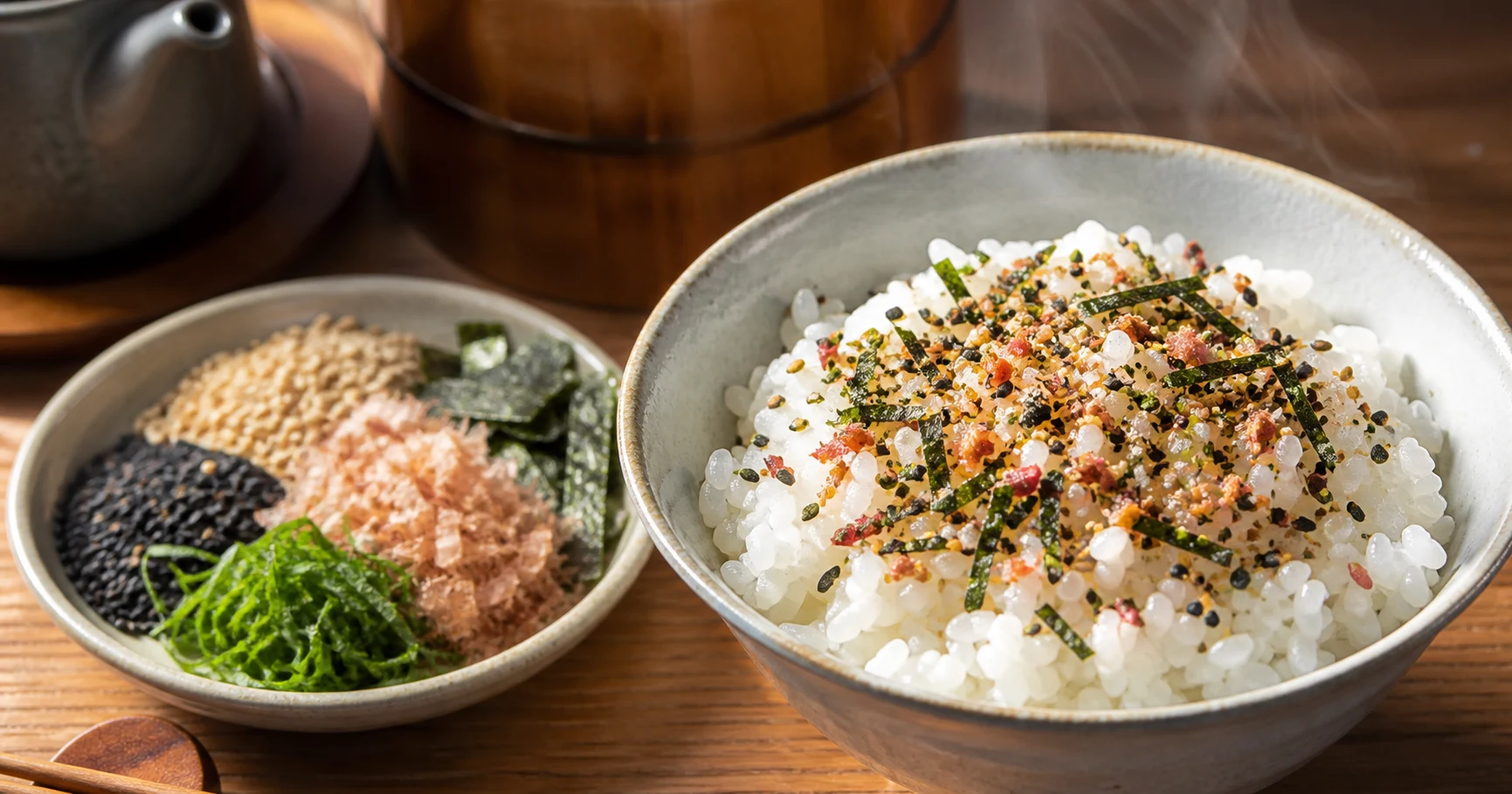
Furikake is a dry Japanese seasoning designed to be sprinkled over cooked rice. A familiar blend may contain sesame seeds, nori, dried bonito or other fish, shiso, egg, vegetables, salt, or small savory flakes. The exact combination matters less than the format: a little preserved flavor is distributed across a bowl of rice, making a plain staple taste more complete. That makes furikake easy to misunderstand. It is often described as a topping, but its deeper history is about seasoning technology. Drying, grinding, smoking, and salting concentrate flavor so that a small amount can travel, store, and serve many bowls. Furikake is therefore part of the broader history of Japanese rice culture and preserved foods, not just a colorful supermarket sprinkle.
Where Did Furikake Come From?
There is no single uncontested inventor story for furikake. Modern accounts connect its rise to early twentieth-century Japan, when commercial makers developed dry seasonings that could be added to rice. Some histories place its background alongside bukkake-meshi, a practice of putting side dishes, soup, or leftovers over rice. Other accounts emphasize products designed to make rice more appealing or to supplement a sparse meal. The safest history is not a single heroic invention but a convergence. Japan already had dried fish, seaweed, salted vegetables, sesame, shiso, and other ingredients that could be preserved and used in small quantities. Modern packaging turned those ingredients into a repeatable product that fit urban schedules, household budgets, school meals, and the expansion of packaged food [1][2].
Rice, Thrift, and Social Meaning
Furikake carries a social history because the status of rice has never been only nutritional. In some settings, white rice was treated as the central food whose purity should be preserved; in others, mixing it with side dishes was practical, economical, and delicious. Le Monde's account of furikake's return describes that tension between refined white rice and older or lower-status ways of adding food directly to the bowl [1]. Seasoning a staple can signal thrift, care, or convenience depending on the moment. A child may know furikake as a familiar lunch flavor. An adult may buy an artisanal blend built around a regional fish or herb. The same format can move from necessity to nostalgia to premium branding without changing its basic material logic.
Preserved Ingredients Make the Blend Work
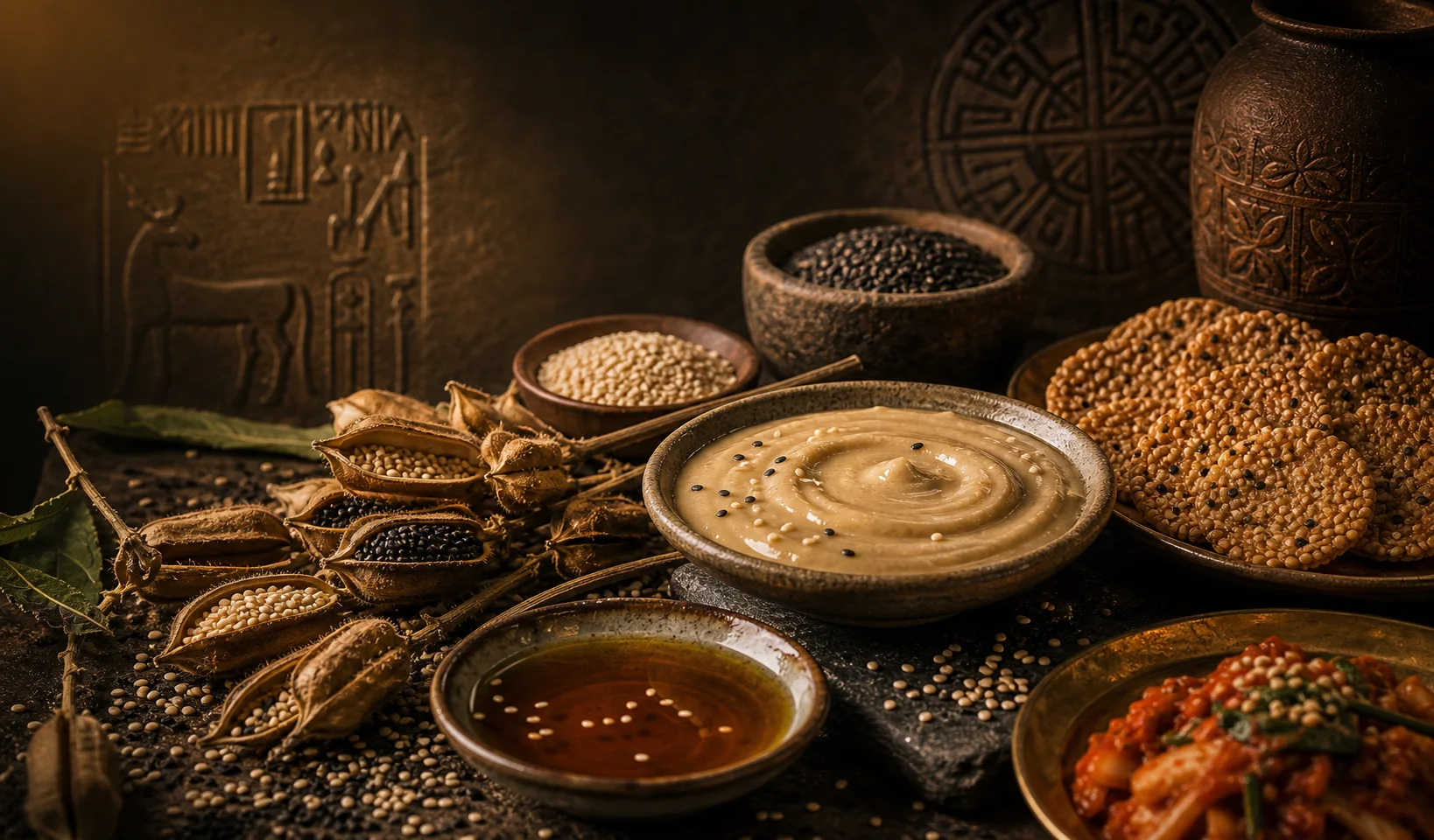
Furikake works because its components bring different sensory functions. Sesame supplies toasted aroma. Nori contributes marine savoriness. Dried fish brings concentrated umami. Shiso adds a distinctive herbal note. Salt links the ingredients and makes the mixture legible against the starch of rice. Texture matters too: a blend can be crisp, flaky, powdery, or slightly sweet. The blend is also a record of food systems. Seaweed depends on coastal harvesting and drying. Fish flakes depend on smoking or other preservation. Sesame connects Japanese cuisine to a much wider history of oilseed cultivation and trade. A furikake jar therefore compresses several food histories into a small package.
Why Furikake Keeps Coming Back
Furikake is well suited to cycles of food fashion because it is instantly understandable and infinitely variable. It can be sold as a childhood staple, a regional specialty, a lunchbox shortcut, or a chef ingredient. Modern consumers also like formats that deliver strong flavor with little effort, and furikake answers that desire without requiring a new cooking technique. The recent comeback is not a return from disappearance. Furikake remained part of Japanese households and food manufacturing while its image changed in other markets. What is new is the audience, the packaging, and the language around it. A source-led history can acknowledge renewed interest while keeping the chronology intact: a modern seasoning category grew from older preservation practices and continues to adapt to new kitchens.
Historical Timeline
Rice is paired with salted, dried, fermented, and preserved foods across Japanese foodways
Commercial dry rice seasonings develop as portable, economical ways to add flavor to rice
Packaged furikake enters school lunches, home kitchens, and convenience-focused food culture
Regional and premium blends help furikake move from children's topping to global pantry ingredient
Evidence Explorer
Review the Source Trail
Inspect the article sources, scoped review credits, and copyable citation details without leaving the page.
Reviewed for Stated Scope
Sources Listed
Comments
Community comments are coming soon. Check back later to join the discussion!